JUTYE SANITARY JUTYE SANITARY

2026 Best Drain Plug Types for Global Buyers?

Time:2026-10-26 Author:Mason
0%

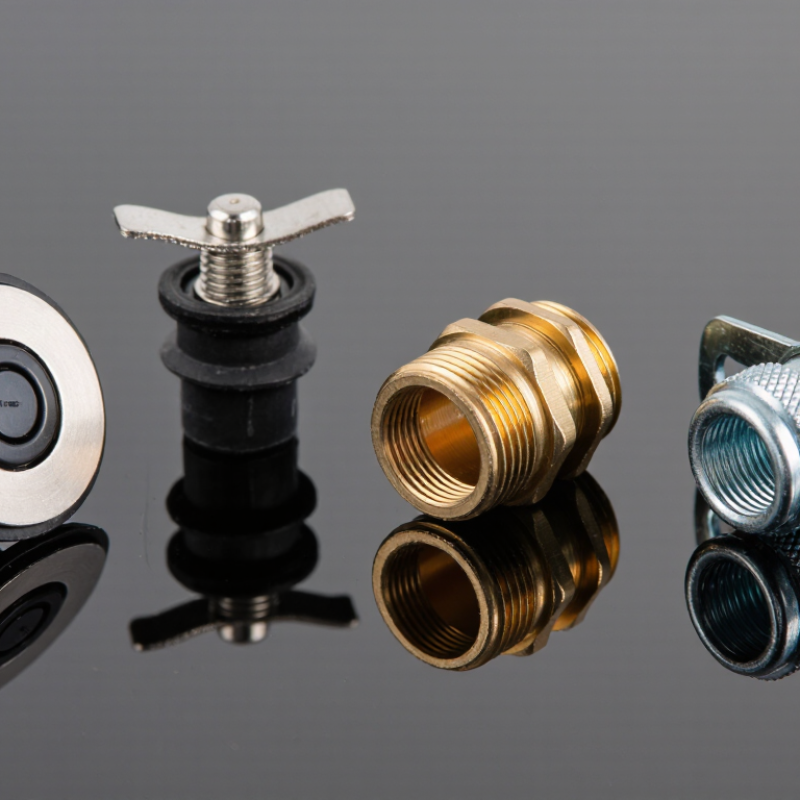
Choosing the right Drain Plug in 2026 requires more than comparing prices or reading product photos. Global buyers must match the plug with the fluid, container material, pressure level, and installation environment. A small mismatch can cause leaks, damaged threads, or difficult maintenance. This guide examines common types, including magnetic drain plugs, rubber expansion plugs, threaded plugs, and quick-release designs.

Materials matter. Stainless steel suits many demanding environments, while coated steel may offer practical corrosion protection at a lower cost. Brass can work well in selected plumbing and machinery applications. However, chemical compatibility should never be guessed. Check the manufacturer’s data, especially when oils, coolants, saltwater, or cleaning agents are involved. Thread standards also deserve attention. NPT, BSP, metric, and custom threads are not automatically interchangeable. Measure carefully.

Real purchasing decisions often involve imperfect information. Product listings may omit torque ranges, gasket materials, or temperature limits. That is a warning sign. Ask for technical drawings, test records, and traceable batch information when reliability matters. A drain plug should seal consistently, remove cleanly, and withstand repeated service. It should not simply look durable.

Fit comes first.

This overview helps importers, distributors, maintenance teams, and equipment manufacturers compare practical options for different markets. It also considers packaging, replacement availability, corrosion resistance, and installation tools. Regional preferences can influence selection, but engineering evidence should guide the final choice. A cheaper plug may become expensive after one failed seal. Careful verification remains the safest buying strategy.
2026 Best Drain Plug Types for Global Buyers?

Drain Plug Basics: Purpose, Design, and Main Applications

2026 Best Drain Plug Types for Global Buyers?

Drain Plug Basics: Purpose, Design, and Main Applications

A drain plug closes an opening and controls unwanted water, oil, or process liquid. Its basic job sounds simple. Its design is not. Threaded plugs suit tanks, basins, and industrial equipment because they provide firm compression. Push-in and snap-fit plugs allow faster removal during cleaning. Flanged plugs spread pressure across thin panels, while rubber expansion plugs work well when threads are unavailable.

Material selection follows the liquid and operating environment. Stainless steel handles corrosion better than ordinary steel, while reinforced polymers reduce weight and electrical contact risks. A gasket must match temperature, pressure, and chemical exposure. The U.S. EPA WaterSense leak report estimates household leaks can waste nearly 10,000 gallons annually. It also reports that 10% of homes have leaks wasting at least 90 gallons daily. A weak seal can become an expensive problem.

Applications vary from kitchen sinks to cooling systems, storage tanks, agricultural equipment, and boat hulls. The U.S. Coast Guard’s 2023 Recreational Boating Statistics recorded 4,012 boating accidents and 556 deaths. That report does not blame drain plugs, but it reinforces the need for reliable hull drainage and regular inspection. A plug that feels tight may still leak. I would not trust a catalog photo alone; check thread size, sealing method, drainage rate, and removal access. Small details decide whether maintenance takes seconds or becomes an avoidable repair.

How to Classify Drain Plugs by Material, Shape, and Installation

2026 Best Drain Plug Types for Global Buyers?

Drain plugs are best classified by material, shape, and installation method. Material affects durability, sealing, corrosion resistance, and maintenance. Stainless steel suits wet, demanding environments and frequent cleaning. Brass offers strength, but surface discoloration may appear over time. Plastic is lightweight and economical for household or temporary applications. Rubber and silicone provide flexible sealing around uneven openings. Check temperature, chemical exposure, and water pressure before selecting a material.

Shape controls water flow and contact with the drain opening. Flat plugs work well in simple basins with smooth surfaces. Domed plugs can improve drainage around the seal. Basket-style plugs catch hair and solid debris before blockage develops. Threaded plugs provide a firm connection when matching internal threads are available. Measure the opening carefully. A small error can cause leakage.

Installation style should match the user’s tools and maintenance habits. Push-fit models allow quick replacement without special equipment. Screw-in types usually provide stronger retention, but thread standards can differ between markets. Twist-lock designs are convenient, yet worn locking parts may loosen unexpectedly. Chain-connected plugs are easy to retrieve in utility sinks. In field inspections, buyers often focus on price and overlook gasket compression. That mistake is common. I still recommend testing one sample under real water conditions before ordering in volume. No classification is perfect. Local installation habits can change the best choice.

2026 Best Drain Plug Types for Global Buyers

Comparison by material, shape, and installation method using practical engineering criteria.

Stainless steel and brass provide strong corrosion resistance and mechanical durability for long-term use. PVC is lightweight and cost-efficient for compatible drainage systems, while cast iron offers high strength but requires greater corrosion protection. Flat-flange and domed plugs are simple sealing designs; basket strainers improve debris control. Threaded installation generally provides strong retention, while push-fit and twist-lock designs offer faster installation.

Comparing Drain Plug Types for Different Global Markets

2026 Best Drain Plug Types for Global Buyers?

Comparing Drain Plug Types for Different Global Markets

Drain plugs should match local drainage design, not just pipe diameter. Threaded metal plugs suit maintenance points with repeated access and strong torque. Push-in rubber plugs work well for temporary sealing, especially during testing or renovation. Pop-up plugs fit household basins, but hair and soap can reduce movement quickly. Expansion plugs are practical where threads are damaged, although their sealing pressure can vary.

Market conditions also change the best choice. The WHO and UNICEF Joint Monitoring Programme reported that 3.5 billion people lacked safely managed sanitation in 2022. This highlights the need for durable, repairable components in growing urban systems. In North America, buyers often check compatibility with ASME drainage requirements. European projects commonly reference EN 1253 drainage standards. Australian installations may follow AS/NZS 3500.2. These standards do not make every plug interchangeable. That assumption causes costly returns.

Tips: Confirm thread size, sealing material, temperature range, and access frequency. Test the plug with real water pressure. Small details matter. The UN World Water Development Report 2024 links water stress with rising infrastructure pressure. Still, market reports often group plugs with wider plumbing products, so their data needs careful interpretation. A low-cost plastic plug may be suitable for a light-use basin, but a service pit usually needs better compression control and corrosion resistance.

2026 Best Drain Plug Types for Global Buyers?

Comparing Drain Plug Types for Different Global Markets
Global comparison of commonly used drain plug designs for plumbing, sanitaryware, utility basins and drainage applications
Drain Plug Type Operating Mechanism Typical Applications Best-Fit Global Markets Installation Requirement Sealing Performance Maintenance Profile Material Compatibility Key Buyer Considerations
Threaded Screw-In Plug Rotates into a matching threaded drain fitting to open or close the outlet. Bathroom basins, utility sinks, bathtubs and selected floor-drain assemblies. North America, Europe, Australia and New Zealand, and other markets using standardized threaded fittings. Requires a compatible threaded body and correct thread size; usually straightforward for replacement installations. High when the gasket, thread and drain body are correctly matched. Low to medium; threads and sealing surfaces should be cleaned periodically. Suitable for stainless steel, brass, plated metal, engineered plastics and ceramic fixtures when correctly specified. Confirm thread diameter, pitch, plug height, gasket dimensions and available clearance below the fixture.
Pop-Up Rod-Operated Plug A lift rod connected to a linkage raises or lowers the plug from behind the faucet or basin. Washbasins and bathroom sinks where a concealed operating mechanism is preferred. Widely used in residential and hospitality projects across North America, Europe, Asia-Pacific and the Middle East. Needs a compatible overflow basin, lift-rod opening and sufficient space for the linkage under the basin. High when the pivot, stopper and gasket are aligned correctly. Medium; hair and soap residue may collect around the stopper and pivot rod. Works with ceramic, vitreous china, stainless steel and solid-surface basins. Check overflow configuration, rod travel, basin depth, tailpiece dimensions and replacement-part availability.
Push-Button or Click-Clack Plug Pressing the top alternates the plug between open and closed positions using an internal spring mechanism. Modern washbasins, vanity units and compact bathroom installations. Strong fit for European, Asian-Pacific, Middle Eastern and contemporary residential markets worldwide. Generally simple to install, but the basin opening, thread length and overflow design must match. High for normal basin use with an intact sealing ring. Low to medium; the cap and seal should be removed and cleaned to prevent buildup. Available for ceramic, glass, stone, stainless steel and composite basins; finish should match the fixture. Specify overflow or non-overflow version, cap diameter, body height, seal material and corrosion resistance.
Lift-and-Turn Plug The user lifts and rotates the stopper to hold it open or close the drain. Bathtubs, shower trays and some deep basins where a simple mechanical stopper is required. Common in North American and selected international residential and renovation markets. Requires a compatible drain flange and threaded stopper post; installation is normally direct from above. High with a correctly adjusted gasket and clean drain flange. Low; fewer moving parts than rod-operated designs, although the post and seal need occasional cleaning. Suitable for plated brass, stainless steel and durable polymer components. Verify stopper-post thread, flange size, closed height and compatibility with the existing drain assembly.
Toe-Touch or Foot-Actuated Plug Pressing the plug with a toe cycles the internal spring between open and closed positions. Bathtubs and shower applications where hand-free operation is desirable. Particularly suitable for North American renovation projects and hospitality installations, with broader global use. Usually installed into a compatible threaded drain shoe or flange. High when the spring mechanism and gasket are correctly seated. Medium; spring components and the top cap may require cleaning or replacement over time. Best suited to corrosion-resistant metal or engineered polymer parts in wet environments. Evaluate cycle life, spring corrosion resistance, drain-flange compatibility and access for future servicing.
Rubber Expansion Plug A rubber body expands against the inside wall of the drain when a nut, lever or handle is tightened. Temporary sink, tub and pipe closures; maintenance, testing and emergency drainage work. Useful across all markets because it does not depend on a specific permanent drain fitting. Fast, tool-light installation from the accessible side of the opening; correct diameter is essential. Medium to high for temporary use when the plug is properly sized and tightened. Medium; rubber should be inspected for cracking, swelling, hardening and loss of elasticity. EPDM and similar elastomers are commonly selected for water exposure; chemical compatibility must be checked. Measure the actual opening range, specify temperature and chemical limits, and distinguish temporary from permanent use.
Chain-and-Stopper Plug A flexible stopper attached to a chain is inserted into or placed over the drain opening. Utility sinks, laundry tubs, outdoor wash points, agricultural areas and basic service installations. Cost-sensitive and utility-focused markets in Asia, Africa, Latin America and other regions. Minimal installation; the drain opening only needs to accept the stopper or provide a suitable seating surface. Medium; performance depends on stopper shape, surface condition and water pressure. Low; easy to remove and clean, with the chain and stopper exposed for inspection. Commonly made from rubber, PVC, stainless steel or plated metal depending on application and budget. Prioritize simple replacement, chain strength, UV resistance for outdoor use and resistance to detergents.
Flat Sink Stopper A flexible flat disc covers the drain opening and seals through surface contact and water pressure. Kitchen sinks, laundry basins, food-service sinks and general-purpose utility basins. Broadly applicable worldwide, especially where low cost and easy replacement are important. No permanent fitting is normally required; the disc must fully overlap the drain opening. Medium for routine basin use; less suitable for pressure or movement. Low; remove and wash the stopper, while checking for warping or material degradation. Rubber and flexible silicone-style materials can be used, subject to temperature and chemical requirements. Specify disc diameter, flexibility, food-contact requirements where relevant and resistance to hot water and detergents.
Twist-Lock or Quarter-Turn Plug A short rotation engages locking tabs or a threaded interface to secure the plug in the drain fitting. Selected shower drains, floor drains, access drains and specialty sanitaryware. Suitable for commercial, industrial and project-based markets where secure removable closures are required. Needs a dedicated matching drain body; alignment of the locking features is important. High when the lock and gasket are correctly matched to the drain body. Medium; locking tracks and seals should be kept free of sediment and scale. Stainless steel, brass and engineering plastics are suitable when selected for the environment. Check locking geometry, load resistance, gasket replacement method and compatibility with cleaning chemicals.
Floor-Drain Test Plug Mechanical expansion or inflatable sealing closes a floor drain or pipe section for water or air testing. Plumbing commissioning, drainage testing, maintenance isolation and construction work. Relevant to construction and plumbing-service markets worldwide, especially where inspection and testing are required. Requires accurate pipe or drain measurement and installation according to the product’s pressure limits. Very high for testing when correctly sized and used within rated limits. Medium to high; inspect seals, valves, cables and pressure-retention components before each use. Rubber, reinforced elastomers, stainless steel and corrosion-resistant plastics are commonly used. Confirm pipe diameter range, allowable test pressure, media compatibility, safety restraint and inspection requirements.

Buyer guidance: Always verify the drain opening, thread or flange dimensions, overflow configuration, sealing material, temperature range and local plumbing requirements before placing a bulk order. Regional installation practices can vary even when the same plug type is used.

Key Buying Factors: Size, Sealing, Durability, and Compliance

2026 Best Drain Plug Types for Global Buyers?

Choosing a drain plug starts with accurate sizing, not appearance. Measure the opening diameter, thread pitch, and available installation depth. Threaded plugs suit repeated servicing, while snap-in plugs work well for simple, low-load drainage points. A small mismatch can cause leaks, damaged threads, or difficult removal. Do not trust nominal size alone. Confirm the drawing and tolerance range with the supplier.

Tips: Test sealing with the intended gasket material, torque, and fluid. Flat gaskets need even contact around the opening. O-rings require a clean groove and suitable compression. For outdoor, marine, or industrial use, select materials that resist corrosion, temperature changes, and chemical exposure. Stainless steel, reinforced polymers, and coated metals may perform differently in real conditions. Durability is not only about hardness. Poor thread design can still fail quickly. I have found that sample testing often challenges assumptions made from catalogs.

Compliance also deserves early attention. Ask for material declarations, test reports, dimensions, and batch traceability. Requirements may differ by destination, application, and fluid contact. Check relevant restrictions for substances, recycling, and product safety before placing a large order. Documentation should match the actual production material, not an older sample. A cheaper plug may become expensive after customs delays or field replacements. Perfect certainty is rare. Careful verification is still practical.

How to Select the Best Drain Plug for Each Use Case

2026 Best Drain Plug Types for Global Buyers

How to Select the Best Drain Plug for Each Use Case

Selecting a drain plug starts with the liquid, not the price. For clean water tanks, a threaded plastic plug can resist corrosion and remain easy to replace. Metal plugs suit hot fluids or heavy mechanical loads, but they need compatible sealing materials. I have seen small material mismatches cause leaks after only a few operating cycles.

Match the plug design to the drainage setting. A flat gasket works well on smooth, machined surfaces. A tapered thread can seal directly, but excessive tightening may crack a plastic housing. For frequent draining, choose a plug with a grip, tool recess, or tether. Difficult access changes everything. A perfect plug is useless if workers cannot remove it safely.

Check thread size, pitch, opening diameter, temperature range, and working pressure before ordering. Measurements should come from the actual equipment, not an old catalog. That mistake is common. For outdoor systems, ultraviolet exposure and freezing conditions also matter. Stainless steel, coated metal, reinforced polymer, and rubber seals perform differently over time.

For engines, gearboxes, and industrial housings, magnetic or safety-wire-ready designs may help during maintenance. For household basins, a simple push-fit or gasketed plug is often more practical. Food and potable-water applications require suitable, documented materials. Regional standards can differ, so technical certificates should be reviewed with the equipment supplier. I would also test one sample under real conditions before placing a large global order. Admittedly, this adds time, but it can reveal swelling, thread distortion, or poor sealing that specifications miss.

FAQS

How should drain plugs be classified?

Classify them by material, shape, and installation method. Each feature affects sealing, durability, cleaning, and replacement.

Which material suits a wet or demanding environment?

Stainless steel handles frequent cleaning and moisture well. Brass offers strength, but surface discoloration may develop over time.

When is plastic, rubber, or silicone appropriate?

Plastic suits lightweight household use and temporary applications. Rubber and silicone seal uneven openings with flexible contact.

How does shape affect drain plug performance?

Flat plugs suit smooth basins. Domed plugs can improve drainage around the seal. Basket shapes catch hair and debris.

What should buyers check before choosing a threaded plug?

Confirm the internal thread size, pitch, and installation depth. Thread standards can differ between markets.

Which installation style is easiest to maintain?

Push-fit plugs allow quick replacement without special tools. Chain-connected plugs are easy to retrieve from utility sinks.

How can buyers prevent leakage from incorrect sizing?

Measure the opening diameter carefully. Check thread pitch and gasket contact. A small mismatch can cause leakage.

What sealing details deserve attention?

Flat gaskets need even pressure around the opening. O-rings need clean grooves and suitable compression.

Should buyers test samples before placing a large order?

Yes. Test one sample with real water pressure and the intended gasket. Catalog assumptions can be wrong.

What documents should buyers request?

Request material declarations, test reports, dimensions, tolerances, and batch traceability. Documentation should match actual production materials.

Conclusion

Choosing the right Drain Plug begins with understanding its purpose: controlling, containing, or releasing fluids in equipment, tanks, piping systems, vehicles, and household applications. Drain plugs differ in material, shape, thread design, and installation method. Common options may include metal, reinforced polymer, or rubber-based constructions, while designs range from threaded and push-fit styles to magnetic, expandable, and quick-release models. Each type offers different advantages in sealing performance, installation convenience, temperature resistance, and service life.

For global buyers, selection should reflect the intended application, local operating conditions, and market requirements. Important considerations include accurate size, thread compatibility, pressure and temperature tolerance, corrosion resistance, sealing reliability, maintenance needs, and applicable compliance documentation. A suitable Drain Plug should provide a secure seal without making installation or removal unnecessarily difficult. By comparing materials, structural designs, and installation methods against the actual use case, buyers can select a dependable solution for industrial, automotive, marine, agricultural, plumbing, or general equipment applications.

Mason

Mason

Mason is a seasoned marketing professional with a deep expertise in the company's offerings and a passion for driving brand awareness. With a strong background in digital marketing strategies, he has an innate ability to connect with diverse audiences and effectively communicate product benefits.......