 JUTYE SANITARY
JUTYE SANITARY
JUTYE SANITARY
The Globe Valve industry is on the brink of transformation as we approach 2026. Emerging trends indicate significant shifts in design and application, driven by advancements in technology and increasing demand for efficient flow control solutions. A recent report by MarketResearchFuture predicts a growth rate of 5.8% in the global Globe Valve market over the next five years, highlighting its critical role in various sectors, including oil and gas, water treatment, and manufacturing.
Dr. Emily Chen, a leading expert in valve technology, emphasizes the importance of innovation in this field. She states, "The future of Globe Valves lies in their adaptability to smart technologies." This insight reflects a broader industry recognition of the need for integration with modern systems. As we embark on this journey, understanding these trends becomes essential for buyers and stakeholders.
Furthermore, challenges remain. Manufacturers must address issues such as material durability and production efficiency. Being aware of these potential pitfalls can aid decision-making processes. With the right knowledge, stakeholders can navigate this evolving landscape and make informed choices regarding Globe Valve investments.
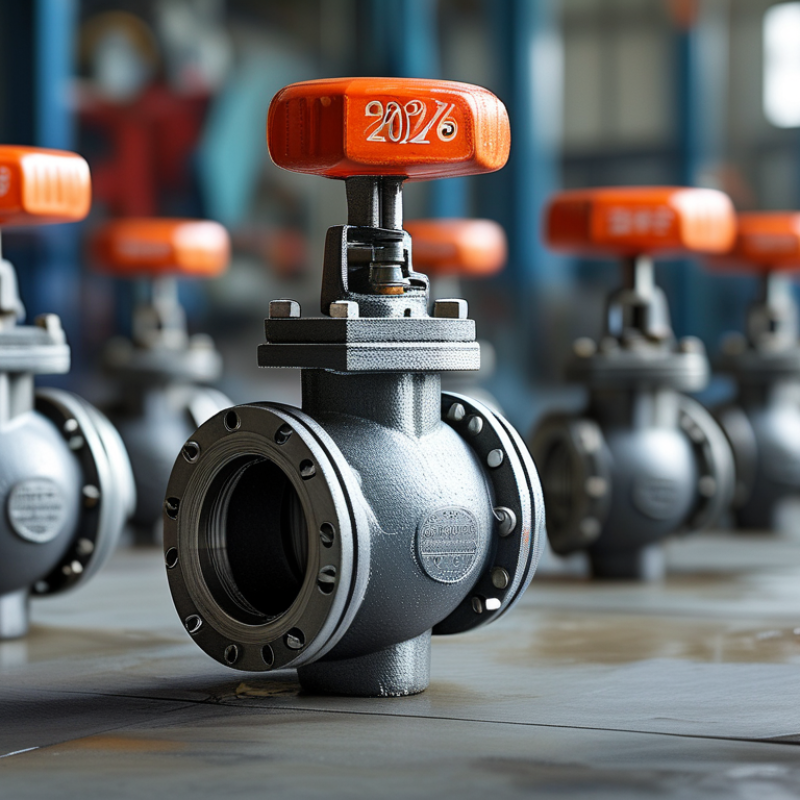
The global market for globe valves in 2026 is showing promising growth. These valves play a crucial role in fluid regulation across various industries. Industries like oil and gas, water management, and HVAC systems particularly rely on them. Increasing demand for efficient and reliable control systems drives this market. However, rising costs of raw materials could pose challenges for manufacturers.
Technological advancements are reshaping the globe valve landscape. Innovations in materials enhance durability and performance. Smart valves integrated with IoT technology are gaining traction. Yet, not all companies adapt quickly to these changes. Some still rely on outdated designs. This gap can lead to missed opportunities in efficiency and sustainability.
Sustainability is becoming a significant factor in buyer decisions. Eco-friendly materials and production processes are now prioritized. Buyers seek products that minimize environmental impact. Companies that overlook these trends may lose market share. The push for regulations also influences manufacturing practices. This landscape requires constant adaptation from all stakeholders involved in the globe valve industry.
| Trend | Description | Impact on Market | Expected Growth (%) |
|---|---|---|---|
| Sustainability Initiatives | Increased demand for eco-friendly materials and manufacturing processes. | Positive, leading to more investment in sustainable technologies. | 15% |
| Smart Valve Technology | Integration of IoT for real-time monitoring and control. | High, improving efficiency and reducing downtime. | 20% |
| Market Consolidation | Mergers and acquisitions leading to fewer major players. | Potentially negative, could reduce competition. | 5% |
| Regulatory Changes | New standards for safety and environmental compliance. | Increased costs, but could drive innovation. | 10% |
| Customization | Growing preference for tailored solutions over standard products. | Positive, fostering customer loyalty and satisfaction. | 12% |
: Innovations include IoT and smart materials. These enhance efficiency and monitoring capabilities.
IoT devices monitor performance in real time. This data aids in predictive maintenance and reduces costs.
Lightweight alloys and composites are used. They offer better durability and corrosion resistance.
Routine assessments reveal potential issues early. This helps prevent costly repairs and downtime.
Demand will grow due to infrastructure investments. Notably, the energy and water treatment sectors are expanding.
Fluctuating raw material prices affect production costs. Manufacturers need to stay competitive amid these changes.
Consumers value enhanced performance, durability, and smart technology integration. Eco-friendliness is also a priority.
Combining old and new practices fosters resilience. It allows systems to adapt to changes effectively.
Buyers are looking for products with advanced integration capabilities. Transparency in processes is increasingly important.
Companies are reevaluating supply chains for eco-friendliness. This focus is reshaping market dynamics and consumer choices.
The article "Top 2026 Globe Valve Trends Buyers Should Know" provides a comprehensive overview of the globe valve market as it stands in 2026. It outlines the current global market landscape, highlighting key factors driving innovations and trends within the globe valve sector. Among these factors are advancements in technology that are enhancing the design and functionality of globe valves, making them more efficient and adaptable to modern applications.
Furthermore, the article discusses how sustainability practices are reshaping both the manufacturing processes and usage of globe valves, reflecting a growing emphasis on environmentally friendly solutions. Lastly, it presents a forecast of market growth and demand for globe valves by 2026, indicating a promising future for this critical component used in various industries, driven by advancements and an increasing focus on sustainable practices.
