JUTYE SANITARY
In the global marketplace, the choice of the right ball valve can significantly affect operational efficiency and safety. According to a recent report from MarketsandMarkets, the global ball valve market is expected to reach $15.3 billion by 2025, highlighting its importance across various industries. Ball valves provide exceptional durability and resistance to corrosion, which are critical factors for industries such as oil and gas, water treatment, and chemical processing.
Choosing the appropriate type of ball valve is essential for optimizing system performance. Factors such as size, material, and design can greatly influence valve functionality. For instance, trunnion-mounted ball valves offer better sealing properties at high pressures and are preferred in critical applications. Meanwhile, floating ball valves are more cost-effective and widely used in less demanding environments. However, these choices require careful consideration of specific application needs to avoid potential system failures.
Evaluating various ball valve types through trusted industry resources is vital. Balancing technical specifications with cost and reliability is often a challenge for buyers. Understanding the intricacies of each ball valve type can guide global buyers toward making informed decisions that ultimately enhance system performance and reduce long-term costs. Investing in expert insights and market analyses is crucial for selecting the right ball valve in a competitive landscape.
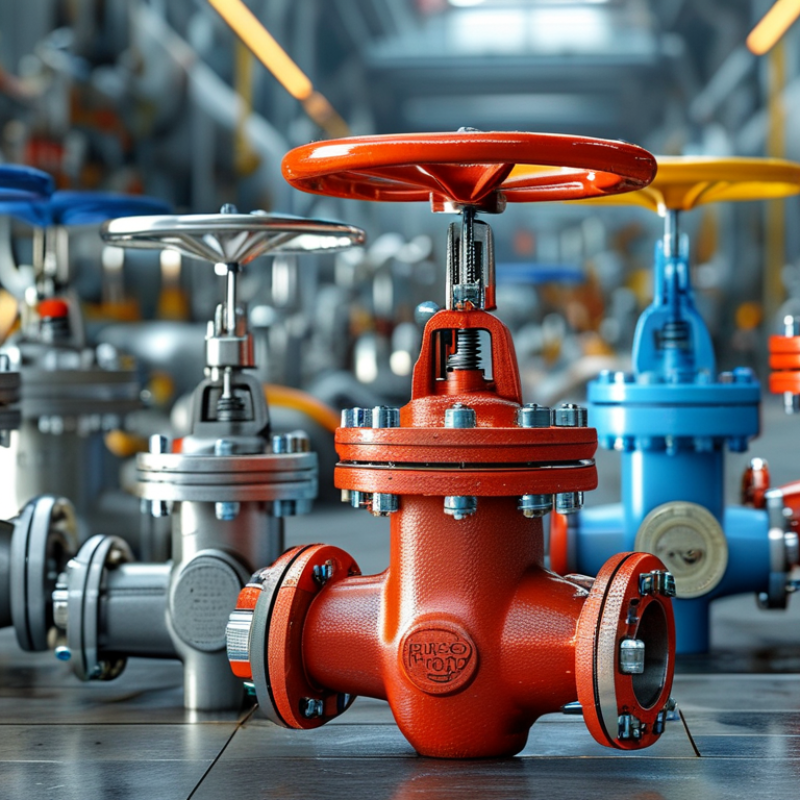
When selecting the right ball valve type, understanding their applications is essential. Ball valves come in various designs, including floating, trunnion-mounted, and K-ball valves. Floating ball valves allow the ball to move slightly. This can help with sealing but might not handle high pressure well. Trunnion-mounted valves provide better stability. They can endure higher pressures due to their fixed ball design.
Each type serves specific functions in industrial applications. Floating ball valves are often used in water systems or gas applications. They are easy to maintain and install. In contrast, trunnion-mounted valves are suited for oil and gas industries, where reliability is paramount.
Tips: Choose the valve type based on pressure and flow conditions. Always consider the medium being processed. Proper installation can prevent leaks and ensure longevity. Evaluate the materials used for compatibility with your system. A wrong choice can lead to costly repairs or system failures. It's crucial to weigh the benefits and limitations of each type. Remember, the right valve can optimize your system's efficiency.
When selecting ball valves, it’s essential to consider key features that match your application. Understanding these features can streamline your decision-making process. Materials used in construction impact durability and compatibility with fluids. Stainless steel offers corrosion resistance, while plastic can reduce cost. Assess your environment to choose wisely.
Pressure ratings are another critical aspect. Ensure the valve can withstand the maximum pressure of your system. Too low a rating may lead to failures. Additionally, size matters. A valve too large or small can obstruct flow. Always check specifications to ensure optimal performance.
Tips: Pay attention to the installation process. A poorly installed valve can cause leaks. Regular maintenance checks are crucial to prevent issues. Evaluate the manufacturer's guidelines for effective operation. Understanding the operational conditions helps in making safer choices.
| Ball Valve Type | Material | Size Range (inches) | Pressure Rating (PSI) | Temperature Range (°F) | Key Features |
|---|---|---|---|---|---|
| Floating Ball Valve | Brass | 1/4 to 4 | 150-300 | -50 to 180 | Easy installation, low cost |
| Trunnion Ball Valve | Stainless Steel | 2 to 10 | 600-1500 | -40 to 400 | High pressure, durable |
| Full Port Ball Valve | PVC | 1 to 6 | 150 | -20 to 140 | Lightweight, corrosion-resistant |
| V-Port Ball Valve | Carbon Steel | 2 to 8 | 300 | -20 to 300 | Flow control, precise |
| Cryogenic Ball Valve | Stainless Steel | 2 to 12 | 600-1000 | -325 to 150 | Designed for low temp applications |
When comparing traditional and modern ball valve designs, several factors come into play. Traditional ball valves have been widely used for decades. They offer reliability and ease of maintenance. However, they often struggle with efficiency and can be prone to leakage over time. Reports show that traditional designs may have up to a 5% leakage rate under certain conditions, which raises significant concerns for industries relying on precision.
Modern ball valves introduce advanced materials and technologies. They typically feature innovations such as enhanced sealing mechanisms and improved flow characteristics. Research indicates that modern designs can reduce leakage rates to less than 1%. This makes them highly sought after in sectors where safety and efficiency are crucial.
Tips: Consider lifecycle costs when choosing your valve. Modern valves, although initially higher in price, often save money in long-term operation and maintenance. Also, assess compatibility with existing systems before making a purchase. Don’t overlook the importance of additional features, like automation options, which can significantly impact overall performance. Adapting to innovations can lead to better outcomes, but it’s essential to evaluate the suitability for specific applications carefully. Use industry reports to guide your choices effectively.
The ball valve market continues to grow, driven by increasing industrial demand. According to a recent market analysis, the global ball valve market was valued at approximately $8.5 billion in 2022 and is expected to reach $12 billion by 2028, reflecting a compound annual growth rate (CAGR) of 7.5%. This growth is fueled by advancements in manufacturing and increased applications in oil and gas, water management, and chemical processing.
Leading brands in the ball valve sector are heavily investing in innovation and technology. These manufacturers focus on producing durable, high-performance valves that can withstand extreme conditions. The trend towards automation in industrial operations also drives the demand for electronically actuated ball valves. Data indicates a significant uptick in the adoption of smart valves, which integrate IoT capabilities for real-time monitoring and control.
However, the market faces challenges. Quality assurance and regulatory compliance remain critical issues. Some manufacturers struggle to meet stringent international standards and customer expectations. This inconsistency can impact project timelines and effectiveness. As the market evolves, buyers must carefully consider their needs and select manufacturers with proven track records.
When sourcing ball valves, international buyers should consider various factors. Understanding the materials used is crucial. Options like stainless steel, PVC, and brass each offer different benefits. The choice often depends on the application environment. High temperatures and chemical exposure demand robust materials.
Buyers should also pay attention to valve specifications. Pressure ratings and sizes vary widely. Whether it's a standard or a custom application, these details matter. Verify dimensions and ensure compatibility with existing systems. Many suppliers can provide technical data sheets, which are essential for informed decisions.
Another aspect is supplier reliability. Research manufacturers to understand their reputation. Look for certifications that indicate quality assurance. Client testimonials can provide insights, but be wary of overly positive reviews. Perform due diligence and ask for references before making a commitment. This reflection can save costs and avoid potential pitfalls.
: There are floating, trunnion-mounted, and K-ball valves. Each serves specific industrial functions.
Use floating ball valves for water systems or gas applications. They are easy to maintain and install.
Trunnion-mounted valves are stable and handle higher pressures. They are suitable for oil and gas industries.
Consider pressure and flow conditions. Evaluate the medium being processed to avoid costly mistakes.
Materials affect durability and compatibility. Stainless steel resists corrosion, while plastic can lower costs.
Ensure the valve withstands maximum system pressure. Low ratings can cause failures or leaks.
A valve too large or small can obstruct flow. Check specifications to ensure proper fit.
Buyers should assess materials, specifications, and supplier reliability before sourcing.
Research their reputation, check certifications, and seek client testimonials. Be cautious of overly positive reviews.
Regular checks are crucial to prevent issues. Understand installation guidelines to ensure effective operation.
This article provides a comprehensive guide for global buyers on the various types of ball valves and their applications. It begins with an overview of the distinct styles of ball valves, highlighting their specific functions across different industries. The article also emphasizes key features to consider when selecting ball valves, such as material compatibility, size, and pressure ratings.
Furthermore, it presents a comparative analysis of traditional and modern ball valve designs, showcasing their respective advantages and potential drawbacks. Additionally, the article discusses the leading global manufacturers within the ball valve market, offering insight into sourcing strategies for international buyers. This guidance is crucial for those looking to make informed decisions when procuring ball valves for diverse applications.
