JUTYE SANITARY JUTYE SANITARY

Brass Plug Purchasing Tips for Global Buyers to Consider

Time:2026-07-08 Author:Isabella
0%

In the growing global market for brass fittings, understanding the nuances of Brass Plug purchases is essential. Industry reports indicate that the demand for high-quality brass components is expected to rise by 7% per year over the next five years. This uptick reflects a broader trend toward sustainable and durable materials across various manufacturing sectors. Experts highlight that sourcing reliable Brass Plug suppliers can significantly impact project outcomes.

James T. Caldwell, a renowned expert in the brass fittings industry, states, "Quality selection can make or break a project." This sentiment underscores the importance of due diligence in finding suppliers that align with industry standards. Buyers should consider factors such as material specifications, production capabilities, and compliance with international certifications.

Navigating the complexities of global supply chains can be daunting. Many buyers overlook critical attributes, leading to poor choices. Inadequate supplier knowledge can result in costly delays or inferior products. A thorough understanding of the Brass Plug market landscape is invaluable. As the industry faces evolving challenges, maintaining high standards will be paramount for successful procurement.
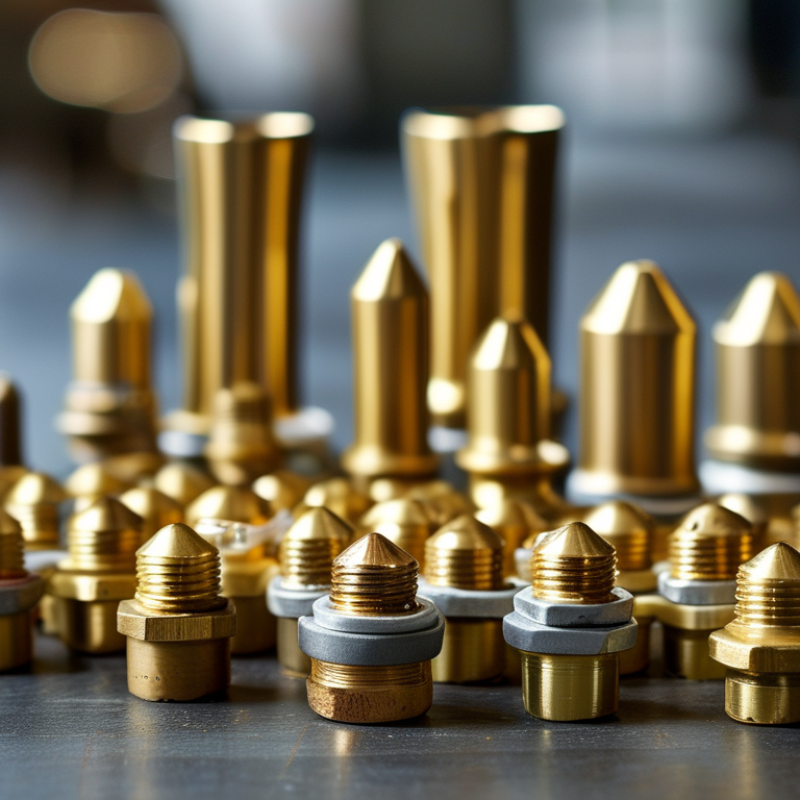
Brass Plug Purchasing Tips for Global Buyers to Consider

Brass Plug: Understanding Different Types and Their Applications

When considering brass plugs, it's important to understand the various types and their applications. Brass plugs are commonly used in plumbing, automotive, and industrial settings. Each type serves a specific function, from sealing leaks to providing pressure relief. According to a report by Research and Markets, the global brass fittings market is projected to grow significantly, reaching an estimated value of $9 billion by 2025. This growth underscores the importance of selecting the right type of plug for your needs.


Keep in mind the material and finish of the brass. Different grades, such as C36000 and C37700, offer various levels of corrosion resistance. These properties can impact longevity and performance. Even minor variations can lead to significant failures in certain applications. Choosing a plug that meets the required specifications is crucial.


Here are some tips to guide your purchase. Always verify the size and threading before buying. Many buyers overlook these details, leading to compatibility issues. Understand the application to ensure the brass plug you choose is suitable. Lastly, consider consulting industry standards, like ASTM for quality assurance. Such diligence can often save costs and enhance project success.

Key Factors to Consider When Sourcing Brass Plugs Globally

When sourcing brass plugs globally, buyers must evaluate many factors. Material quality is crucial. Brass comes in various alloys, affecting strength, corrosion resistance, and cost. According to industry standards, a high-quality brass plug should have a minimum of 60% copper content. This ensures better durability and performance in plumbing applications.

Another key consideration is supplier reliability. The global market for brass fittings is projected to reach USD 40 billion by 2026. This growth highlights the number of potential suppliers available. Buyers should conduct thorough research. A good supplier should provide certifications for material and manufacturing processes. Overlooking this can lead to sourcing inferior products.

Pricing is also important. Prices for brass plugs can vary widely based on raw material costs and manufacturing location. In 2021, the price of brass increased by 15% due to supply chain disruptions. Buyers need to track market trends actively. Failing to do so can result in unexpected costs. Careful planning and research will improve the sourcing experience.

Brass Plug Purchasing Tips for Global Buyers to Consider

Key Factors Considerations Importance Level
Material Quality Ensure brass meets industry standards and specifications. High
Supplier Reputation Look for reviews and ratings from previous customers. High
Certifications Confirm that the supplier has necessary certifications (ISO, etc.). Medium
Pricing Structure Evaluate cost-effectiveness, including bulk discounts. High
Lead Time Assess the time required to fulfill orders. Medium
After-sales Support Check if the supplier provides assistance post-purchase. Medium
Shipping & Logistics Understand the shipping options and costs involved. High
Customization Options Inquire about availability of custom designs and sizes. Low

Evaluating Quality Standards and Certifications for Brass Plugs

When purchasing brass plugs, quality evaluation is crucial. Begin by looking for established quality standards. Common certifications include ISO 9001 and ASTM. These certifications indicate that manufacturers adhere to specific quality management systems. However, not all suppliers may have these credentials readily available. Always ask for documentation before making a decision.

Assessing the materials used is also essential. High-quality brass plugs should be made from durable alloys, such as C26000, C27000, or C27200. These alloys resist corrosion and increase longevity. Yet, suppliers may use lower-grade materials to cut costs. It’s wise to request samples to verify material quality firsthand.

Lastly, consider the manufacturing process. Brass plugs manufactured under stringent quality controls achieve higher performance and reliability. Understanding the production methods helps in making informed decisions. Beware of overly optimistic claims. It's essential to remain critical and question sourcing practices when evaluating potential suppliers.

Brass Plug Quality Standards and Certifications

Tips for Identifying Reliable Brass Plug Suppliers Worldwide

When sourcing brass plugs globally, identifying reliable suppliers is paramount. Start by researching potential vendors online. Look for reputable platforms that focus on brass fittings. Ensure they have positive reviews and a solid track record. Feedback from previous customers can provide valuable insights into supplier reliability.

Next, assess the supplier's manufacturing capabilities. Visit their facilities if possible. This provides a clear understanding of their production process and quality standards. In addition, inquire about certifications. Quality assurance certifications can be indicators of a supplier's commitment to excellence. Don’t hesitate to ask for samples before making larger commitments. This crucial step can reveal much about their product quality.

Communication is essential throughout the purchasing process. Gauge the responsiveness of potential suppliers. Are they quick to answer inquiries? Are their communications clear? A reliable supplier will prioritize effective communication. Trust your instincts if something feels off. Reflecting on these details can help prevent future challenges. Finding the right brass plug supplier takes time, but it pays off.

Cost Factors and Pricing Strategies for Global Brass Plug Purchases

When purchasing brass plugs globally, understanding cost factors is crucial. Prices can fluctuate based on raw material costs, labor, and shipping. For instance, brass prices often depend on copper and zinc markets. Keeping an eye on these fluctuations can save money over time.

Pricing strategies also play a significant role in brass plug purchases. Many suppliers offer bulk discounts. Smaller orders may carry higher per-unit costs. It's beneficial to assess the total cost versus expected usage. Negotiation can lead to better terms, especially for larger orders. However, overestimating demand can lead to excess inventory.

Additionally, consider the reliability of suppliers. Research their reputations and delivery records. Reliability can affect overall project timelines. Delays can be costly. Evaluating different suppliers helps find a balance between cost and quality. Investing time in research pays off in the long run. Reflect on these factors to enhance purchasing decisions.

FAQS

: What is the importance of material quality when sourcing brass plugs?

: Material quality affects strength, corrosion resistance, and cost. High-quality brass should contain at least 60% copper for durability.

How can I find a reliable supplier for brass plugs?

Research potential suppliers thoroughly. Look for certifications in material and manufacturing processes to avoid inferior products.

Why should I track pricing trends for brass plugs?

Prices can vary due to raw material costs and market fluctuations. Staying informed helps avoid unexpected expenses.

Are there bulk discounts available when purchasing brass plugs?

Many suppliers offer bulk discounts. Smaller orders can be more expensive per unit, so assess your needs carefully.

What factors influence the prices of brass plugs?

Prices can fluctuate based on raw material costs, labor, and shipping. Regularly monitor these factors to save money.

How can I evaluate supplier reliability?

Check their reputation and delivery records. Reliable suppliers help maintain project timelines and reduce costs related to delays.

What are the risks of overestimating demand for brass plugs?

Overestimating can lead to excess inventory, tying up capital and storage space. Be mindful of actual usage needs.

Why is it critical to reflect on my purchasing decisions?

Reflecting helps weigh the trade-offs between cost and quality. Investing time in analysis can improve sourcing outcomes significantly.

What role does negotiation play in purchasing brass plugs?

Negotiation can lead to better terms, especially for larger orders. It’s essential to approach negotiations with a clear understanding of needs.

How can supply chain disruptions affect brass pricing?

Disruptions can increase prices significantly, as seen with a 15% spike in 2021. Being aware helps in planning budget allocations.

Conclusion

The article titled "Brass Plug Purchasing Tips for Global Buyers to Consider" provides a comprehensive overview of essential insights for sourcing brass plugs. It begins by outlining the various types of brass plugs available and their specific applications, helping buyers understand where and how these components can be utilized effectively. Key factors to consider when sourcing brass plugs globally are discussed, including material quality, supplier reliability, and regional market trends.

Additionally, the article highlights the importance of evaluating quality standards and certifications that ensure the brass plugs meet industry requirements. To aid in finding trustworthy suppliers, tips for identifying reliable manufacturers and distributors around the world are shared. Finally, it delves into cost factors and pricing strategies that can impact global purchases, enabling buyers to make informed decisions while optimizing their procurement processes. Overall, the guide serves as a valuable resource for anyone looking to navigate the complex landscape of brass plug sourcing on a global scale.

Isabella

Isabella

Isabella is a dedicated marketing professional with a sharp focus on driving brand growth and engagement through strategic content creation. With an extensive background in digital marketing, she combines her passion for storytelling with her keen understanding of industry trends to deliver......