JUTYE SANITARY JUTYE SANITARY

How to Choose the Best Drain Cover for Your Needs?

Time:2026-08-07 Author:Mason
0%

Choosing the right drain cover can significantly impact your home's efficiency. A suitable drain cover not only prevents debris from clogging your drainage system but also enhances safety around your property. With various options available, selecting the ideal one for your needs requires careful consideration.

When evaluating drain covers, factors like material, size, and design are crucial. Metal, plastic, or composite materials each come with unique benefits. For instance, metal covers are durable but may rust over time. On the other hand, plastic options provide corrosion resistance but may not support heavy loads. You may also want to consider the cover’s design. Aesthetically pleasing designs can enhance your outdoor area's look while maintaining functionality.

While it might seem easy, the decision-making process can be overwhelming. You may find yourself torn between cost and quality. It is vital to balance budget constraints with the long-term benefits of a durable and effective drain cover. Remember, just like any home improvement item, a thoughtful choice can lead to significant savings and peace of mind in the future.
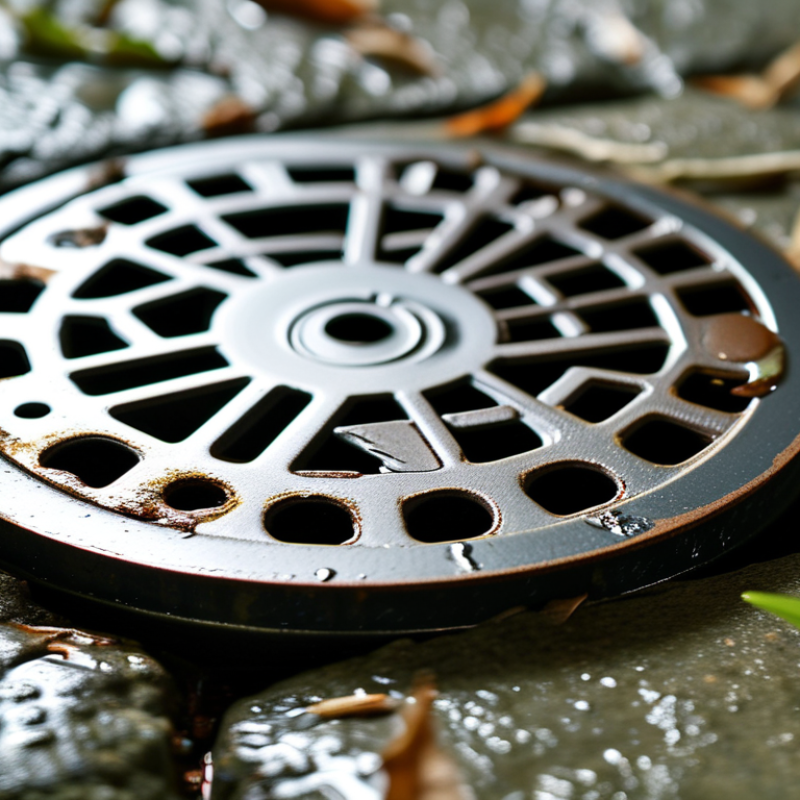
How to Choose the Best Drain Cover for Your Needs?

Understanding Different Types of Drain Covers Available in the Market

When selecting a drain cover, it's crucial to understand the various types available. Each type serves different needs, from preventing debris intrusion to ensuring proper drainage. Common options include grate covers, flat covers, and mesh screens. Grate covers allow water to flow while blocking larger items. Flat covers create a sleek look but can risk clogging. Mesh screens are effective for filtering smaller debris but might need frequent cleaning.

Materials also vary significantly. Metal drain covers offer durability but can rust. Plastic options resist corrosion but may face wear over time. Consider how different materials perform under your specific environmental conditions. High rainfall areas might warrant more robust choices. Interestingly, the weight of the cover affects how likely it is to be dislodged.

Installation can be more complex than expected. Some covers require specific tools and knowledge. A poorly installed cover can lead to drainage problems. Testing different covers might help you understand the nuances in performance. Reflect on your own experience with different types, as this will guide your choice. Understanding these factors can help ensure you select the best drain cover for your unique needs.

Key Factors to Consider When Choosing a Drain Cover

Choosing the right drain cover requires thoughtful consideration. First, assess the area where the drain cover will be installed. Is it a high-traffic space or a decorative feature? Heavy use calls for durable materials, while aesthetic appeal might prioritize style. Options vary widely, including metal, plastic, and concrete. Each material has its pros and cons.

Next, consider the size and shape of the drain. Measure the drain opening accurately. An ill-fitting cover can lead to clogs or accidents. Think about the drainage capacity, too. A cover that can handle heavy rain is crucial in prone areas. Pay attention to design elements such as grates or slits. They should allow for optimal water flow while preventing debris entry.

Finally, think about maintenance. Some covers require more upkeep than others. Ask yourself if you prefer a low-maintenance option or if you don't mind regular cleaning. Reflect on your previous experiences with drain covers. Were there any issues? Maintaining usability and effectiveness is key, so choose wisely based on these reflections.

Comparison of Key Factors in Choosing Drain Covers

This chart illustrates the importance levels of various factors to consider when choosing a drain cover. The most critical aspects include material and durability, which are crucial for ensuring functionality and longevity.

Material Options for Drain Covers: Pros and Cons

Choosing the right drain cover involves understanding material options and their respective pros and cons. Common materials include plastic, metal, and concrete. Each has unique characteristics that can affect durability, appearance, and maintenance.

Plastic drain covers are lightweight and typically resistant to corrosion. They are affordable and easy to install but may not withstand heavy loads, leading to potential damage. According to a recent industry report, plastic covers account for around 30% of residential drain cover sales, highlighting their popularity. However, their lifespan can be shorter compared to metal alternatives.

Metal covers, often made from stainless steel or cast iron, provide strength and longevity. They support heavy traffic areas effectively but can be more expensive upfront. A study revealed that metal drain covers generally last over 15 years with proper care. One downside is rust, which can develop in some environments, requiring periodic maintenance.

Tip: When selecting a drain cover, consider the environment. Coastal areas, for example, may benefit from stainless steel due to its corrosion resistance.

Concrete covers, while durable, can be quite heavy and cumbersome to replace. They are best suited for fixed installations where weight is not an issue. Their high strength makes them ideal for several commercial applications.

Tip: Ensure good drainage by checking the cover's fit regularly to prevent blockages. Proper installation is key for optimal performance.

Sizing and Fit: How to Measure for the Right Drain Cover

Choosing the right drain cover begins with accurate measurements. Take time to measure the drain's length and width, ensuring you cover the entire opening. Use a tape measure for precision. If your drain has an irregular shape, sketch it out, noting key dimensions. This practice minimizes errors and ensures a good fit.

Consider the height of the drain cover too. Some drains may require specific thicknesses to avoid water pooling. A cover that is too thin may be ineffective, while one that is too thick can create obstruction. Pay attention to the material as well; it should withstand the local weather conditions and intended use. An outdoor drain may need a sturdier cover compared to one used indoors.

It's easy to overlook these details, but small mistakes can lead to bigger issues. Double-check your measurements before making a purchase. Think about your specific needs, such as the purpose of the drain and the surrounding environment. Reflection on these aspects will guide you to a better choice.

Maintenance Tips for Long-Lasting Drain Covers

When it comes to maintaining drain covers, regular cleaning is essential. Dirt and debris can accumulate over time. This accumulation might lead to clogs. A simple rinse with water can help. For a deeper clean, use a brush to scrub away grime. Avoid harsh chemicals. They can damage the cover material and harm the environment.

Inspect your drain covers regularly. Look for signs of damage. Cracks or chips can reduce their effectiveness. If you notice any wear, consider replacing them promptly. This preventive measure can save you from more extensive repairs later. Also, keep an eye out for rust or corrosion, especially in metal covers.

Lastly, it’s important to ensure proper installation. A loose cover can easily become dislodged. This can create safety hazards. If you’re unsure about the installation, consult a professional. Investing time in these maintenance practices can prolong the lifespan of your drain covers significantly. Proper care leads to reliable performance.

FAQS

: What are the common types of drain covers?

: Common options include grate covers, flat covers, and mesh screens. Each serves different needs for drainage.

How do you measure for the right drain cover?

Measure the drain's length and width precisely with a tape measure. Consider irregular shapes too.

Why is material important for drain covers?

Materials like metal and plastic have different durability and wear. Consider local weather conditions for effectiveness.

What maintenance do drain covers need?

Regular cleaning is essential. A simple rinse with water prevents clogs and keeps them functional.

How do I know if my drain cover is damaged?

Regularly inspect for cracks or chips. These can reduce effectiveness and lead to bigger issues.

What happens if a drain cover is poorly installed?

A loose cover can be dislodged, creating safety hazards and drainage problems.

Are there specific thicknesses required for drain covers?

Yes, thickness affects water flow. A cover too thin can be ineffective; one too thick may obstruct drainage.

How often should I check my drain covers?

Regular inspections can prevent serious issues. Look for signs of rust and wear to maintain performance.

What cleaning methods should be avoided?

Avoid harsh chemicals. They can damage the cover and pollute the environment.

Why reflect on my past experiences with drain covers?

Reflecting helps identify personal needs and choices, guiding you toward a suitable cover selection.

Conclusion

When selecting the best drain cover for your needs, it's essential to understand the various types available in the market. Different designs serve specific purposes, from preventing debris entry to providing emergency overflow solutions. Key factors to consider include the material, size, and intended use. Understanding the pros and cons of different materials can guide you in making an informed choice that balances durability and functionality.

Sizing is crucial; accurately measuring the drain ensures a proper fit, preventing leaks or blockages. Finally, regular maintenance tips will help ensure the longevity of your drain cover, such as cleaning and inspecting it periodically. By considering these factors, you can select a drain cover that meets your specific requirements and maintains optimal drainage performance.

Mason

Mason

Mason is a seasoned marketing professional with a deep expertise in the company's offerings and a passion for driving brand awareness. With a strong background in digital marketing strategies, he has an innate ability to connect with diverse audiences and effectively communicate product benefits.......