JUTYE SANITARY JUTYE SANITARY

China Top Check Valve Manufacturers How to Choose?

Time:2026-09-11 Author:Oliver
0%

Choosing among China’s top Check Valve manufacturers requires more than comparing prices, product photos, or export claims. The right supplier must understand pressure, temperature, media, flow direction, installation position, and maintenance demands. A valve designed for clean water may fail quickly in abrasive slurry or corrosive chemical service. Small details matter, including disc guidance, spring material, seat design, casting quality, and inspection records.

R. W. Zappe, a respected valve engineering authority and author of the Valve Selection Handbook, offered a useful principle: “Valve selection must follow service conditions, not catalog preference.” This idea remains practical when evaluating Chinese manufacturers. Look for documented material certificates, pressure-test procedures, traceability, and experience with comparable applications. Ask whether the factory controls machining, assembly, testing, and final inspection internally. Third-party certifications can help, but certificates alone do not prove consistent production.

A credible manufacturer should explain why it recommends a wafer, swing, lift, or dual-plate Check Valve for your system. It should also discuss water hammer, cracking pressure, leakage class, and replacement-part availability. Request drawings and test reports before approving a sample. Visit the production site when the project is critical. It may feel excessive. Sometimes it is not.

Cost remains important, but the lowest quotation can hide thinner materials, weak documentation, or uncertain after-sales support. My own evaluation would not rely on a polished website. I would compare sample performance, communication speed, quality records, and failure-response procedures. No supplier is perfect. The most reliable choice is usually the manufacturer that clearly admits limitations and provides evidence for its claims.
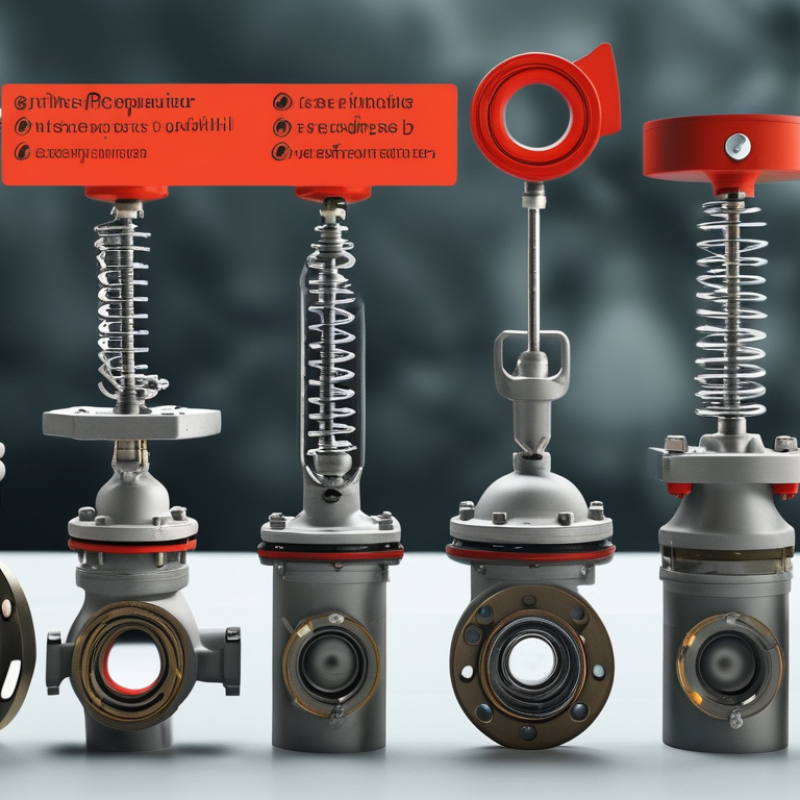
China Top Check Valve Manufacturers How to Choose?

What Is a Check Valve and Where Is It Used?

A check valve is a mechanical valve that allows fluid to move in one direction. It closes when flow reverses. This action helps prevent backflow, pressure shocks, and possible pump damage. Common designs include swing, lift, wafer, and spring-loaded valves. Each design responds differently to flow speed, installation space, and pressure changes. It sounds simple.

Check valves appear in water treatment lines, boiler systems, chemical pipelines, compressor outlets, and fire protection equipment. In a pump discharge line, the valve can stop liquid from returning when the pump stops. In compressed-air systems, it helps protect equipment from reverse pressure. During equipment inspections, I have seen valves installed backward or without enough service clearance. The result was noise, leakage, or difficult maintenance.

Choosing a suitable valve requires more than checking pipe size. Confirm the medium, operating temperature, pressure, flow rate, and allowable pressure loss. A spring-loaded model may close quickly, while a swing model can create lower resistance in steady flow. Materials must also match the fluid and surrounding conditions. When evaluating a manufacturer, request pressure-test records, material details, dimensional drawings, and clear inspection procedures. These documents reveal manufacturing discipline better than polished claims. I still question catalogue ratings when installation conditions are unclear. A correct valve can fail if the pipeline is poorly supported or contaminated during assembly.

Which Types of Check Valves Are Made in China?

China produces a wide range of check valves for water, oil, gas, chemical, and industrial piping systems. Swing check valves are common in larger pipelines, using a hinged disc that opens with flow and closes when flow reverses. Wafer check valves use a compact body between flanges, making them useful where installation space is limited. Small details matter.

Lift check valves suit clean fluids and moderate pressure applications. Their disc moves vertically inside the body, so correct orientation is essential. Dual-plate check valves use spring-assisted plates and often reduce water hammer in pump discharge lines. Ball check valves are frequently selected for wastewater, slurry, and drainage systems because the ball can tolerate certain suspended particles. Foot valves combine a check valve with a strainer at the suction end of a pump.

Chinese manufacturers also produce piston, nozzle, and forged check valves for higher-pressure service. Material options may include ductile iron, stainless steel, carbon steel, bronze, and special alloys. Selection should consider pressure class, temperature, fluid density, flange dimensions, and reverse-flow risk. In practical inspections, a valve may look suitable but fail because its spring is too strong or its disc closes too slowly. No valve is universal.

Reliable suppliers should provide pressure-test records, material certificates, dimensional drawings, and applicable compliance documents. Factory inspection can verify sealing, opening pressure, coating quality, and marking. It is easy to focus on purchase price. That can become an expensive mistake when maintenance access is ignored.

How to Evaluate Chinese Check Valve Manufacturers

Evaluating Chinese check valve manufacturers requires more than comparing quotations. UN Comtrade trade data for 2023 places China among the leading exporters of HS 8481 valves, but export volume does not prove product reliability. Request the factory’s legal registration, production scope, and recent audit records. Then verify whether its check valves match your media, pressure, temperature, and installation direction.

Ask for material certificates, pressure-test records, and traceability from casting to final inspection. ISO 5208 defines pressure-testing methods for industrial valves, while API 598 provides widely used inspection and testing practices. A capable supplier should identify the exact test standard, acceptance level, and equipment used. Do not accept “100% tested” without sample reports. Check whether the report shows test pressure, duration, leakage result, valve size, and serial number.

Use a pilot order before approving large volumes. Inspect hinge movement, disc seating, spring condition, and gasket finish. Request a witnessed hydrostatic test when the service is critical. The 2023 World Bank Logistics Performance Index also shows that delivery reliability varies across supply chains, so evaluate packaging, lead-time records, and claims handling. One weakness remains: factory photos can look excellent while process control is inconsistent. A video call helps, but an independent inspection is stronger. Compare three suppliers using the same technical sheet, not three different promises.

China Top Check Valve Manufacturers: How to Choose and Evaluate Chinese Check Valve Manufacturers
Evaluation Dimension What to Verify Relevant Standard or Reference Recommended Evidence Suggested Weight Priority
Product Design and Valve Type Confirm that the manufacturer supplies the required wafer, lug, swing, lift, dual-plate, or axial-flow check valve design for the service conditions. ASME B16.34; API 6D where pipeline applications apply General arrangement drawings, sectional drawings, pressure-temperature ratings, and application references without confidential customer information 10% Critical
Pressure and Temperature Rating Check pressure class, nominal pressure, design temperature, allowable pressure-temperature combinations, and suitability for liquid, gas, steam, or corrosive media. ASME B16.34; EN 12516 series; applicable project specifications Pressure-temperature charts, design calculations, and certified product datasheets 12% Critical
Materials and Traceability Evaluate body, disc, hinge, spring, seat, and fastener materials for corrosion resistance, temperature, pressure, and fluid compatibility. ASTM material specifications; EN 10204 Type 3.1 inspection certificates Material certificates, heat numbers, positive material identification records, and a documented material control procedure 12% Critical
Manufacturing Quality System Assess control of incoming materials, machining, welding, assembly, calibration, nonconforming products, and corrective actions. ISO 9001 quality-management-system requirements Current certificate issued by an accredited certification body, audit reports, quality manual extracts, and process-control records 12% Critical
Pressure and Functional Testing Verify shell testing, seat testing, backflow prevention, leakage acceptance, opening pressure, and functional performance where applicable. API 598; ISO 5208; EN 12266-1 Test procedures, calibrated gauge records, test reports linked to serial or heat numbers, and witness-test arrangements 15% Critical
Dimensional and End-Connection Compliance Confirm face-to-face dimensions, flange drilling, wafer or lug dimensions, bolt-hole alignment, and connection compatibility with the piping system. ASME B16.5; ASME B16.10; ASME B16.47; EN 1092-1, as applicable Inspection reports, certified dimensional drawings, flange drilling tables, and sample measurement records 10% High
Flow Performance and Water Hammer Control Review pressure drop, cracking pressure, closing speed, reverse-flow characteristics, and suitability for pumps and long pipelines. Project hydraulic calculations; manufacturer flow data; applicable industry specifications Cv or pressure-drop curves, dynamic test data, application calculations, and pump-system compatibility review 10% High
Certifications and Regulatory Compliance Match certificates to the destination market, industry, fluid, and project requirements rather than relying only on general marketing claims. API, CE/PED, EAC, ATEX, or other requirements only when applicable to the product and destination Certificate scope, validity dates, issuing body, product coverage, and declaration of conformity where required 10% High
Inspection and Expediting Support Determine whether the supplier can support document review, third-party inspection, hold points, witness points, and pre-shipment inspection. Project inspection and test plan; purchaser quality requirements Sample inspection and test plan, quality dossier index, inspection notification procedure, and nonconformance workflow 7% High
Production Capacity and Delivery Control Evaluate realistic production capacity, manufacturing route, raw-material availability, inspection duration, packaging, and export documentation. Purchase-order schedule and project delivery requirements Manufacturing schedule, capacity statement, milestone plan, packing specification, and sample shipping documents 6% Medium
After-Sales Service and Technical Support Assess response time, spare-parts availability, installation guidance, troubleshooting, warranty terms, and support for commissioning. Contract terms and purchaser service requirements Written warranty policy, service-response procedure, spare-parts list, maintenance manuals, and technical contact structure 4% Medium
Total Cost of Ownership Compare purchase price together with inspection, freight, spare parts, maintenance, energy loss from pressure drop, and potential failure costs. Project lifecycle-cost model and approved technical specification Itemized quotation, optional-cost schedule, spare-parts pricing, freight assumptions, and lifecycle-cost comparison 2% Medium
Recommended supplier evaluation method: Score each dimension from 0 to 5, multiply by the suggested weight, and require all critical items to pass before commercial comparison. 100%

Standards and certifications should be verified against the current edition, applicable product scope, destination-market rules, and project specifications before purchase.

What Quality and Compliance Standards Should You Check?

When choosing top check valve manufacturers in China, inspect quality systems before comparing prices. The ISO Survey 2023 recorded over 1.2 million ISO 9001 certificates across 188 economies. Certification shows process control, not automatic product quality. Ask for the certificate scope, issuing body, and latest audit status. Verify whether it covers valve design, casting, machining, and testing.

Check product compliance against recognized standards. API 598 and ISO 5208 define pressure testing and leakage acceptance methods. ASME B16.34 addresses pressure-temperature ratings, materials, and design requirements. For European projects, confirm conformity with the Pressure Equipment Directive, including the correct equipment category and assessment route. Request hydrostatic test records, material certificates, calibration records, and serial-number traceability. Ask for evidence.

Material selection needs equal attention. Sour-service applications may require ISO 15156 compliance, while corrosive water systems need suitable alloy and coating verification. A serious supplier should provide chemical analysis, hardness results, and heat-treatment records. The 2023 ISO Survey also shows the scale of certified quality management worldwide, but paperwork can still hide weak production controls. I would not accept a polished certificate folder without checking sample records and factory inspection results. That is where judgment becomes difficult. During audits, review rejected parts, not only successful batches. Even excellent manufacturers can have gaps. A transparent response matters more than a perfect presentation.

How to Select the Best Manufacturer for Your Application

China Top Check Valve Manufacturers: How to Choose?

Selecting the best check valve manufacturer requires more than comparing prices. Match the valve design with your medium, pressure, temperature, flow direction, and installation space. Ask for material certificates, pressure test records, dimensional drawings, and clear inspection procedures. A reliable manufacturer should explain why a swing, lift, wafer, or dual-plate design fits your system. In valve selection work, I have seen attractive quotations fail because the disc clearance was ignored. Small details matter.

Tips: Send real operating data, not approximate figures. Request a sample or pilot order when possible. Check machining quality, gasket seating, spring movement, and marking clarity. Ask how the manufacturer manages traceability and nonconforming parts. Short videos help. Factory visits can reveal more than brochures, although they are not always practical.

Evaluate technical support before signing a contract. Engineers should respond clearly and provide drawings that match the delivered product. Review production capacity, testing equipment, export experience, and after-sales communication. Independent inspection may be useful for critical applications. Do not rely only on certificates; verify their scope and validity. I once treated documentation as proof of quality, then found that the inspection plan excluded important leakage tests. That mistake changed my checklist. A dependable partner welcomes precise questions and accepts reasonable quality requirements. Even then, leave room for review, because operating conditions can change.

China Top Check Valve Manufacturers: How to Choose?

Recommended evaluation priorities for selecting the best check valve manufacturer for your application

This practical screening framework emphasizes traceable materials, compliance with applicable standards, pressure-temperature validation, and leakage performance. Confirm requirements against project specifications and relevant standards such as API 598, ISO 5208, and ASME B16.34 before making a purchasing decision.

FAQS

: What types of check valves are commonly made in China?

: Common types include swing, wafer, lift, dual-plate, ball, foot, piston, nozzle, and forged valves. Small differences matter.

Which check valve suits a large pipeline?

A swing check valve often suits larger pipelines. Its hinged disc opens with flow and closes when flow reverses. Installation space still needs checking.

When is a wafer check valve useful?

A wafer valve fits between flanges and saves installation space. Confirm flange dimensions before ordering. A compact body is not always easier to maintain.

Which valve works well for wastewater or slurry?

Ball check valves often handle wastewater, slurry, and drainage applications. Their ball can tolerate some suspended particles. Heavy solids may still cause blockage.

What should buyers consider when selecting a check valve?

Check pressure, temperature, fluid density, flange size, flow direction, and reverse-flow risk. Material choices may include stainless steel, carbon steel, bronze, and ductile iron. No valve suits every service.

Which documents should a reliable manufacturer provide?

Request material certificates, pressure-test records, dimensional drawings, and traceability details. Test reports should show pressure, duration, leakage results, size, and serial number. “Fully tested” is not enough.

How can a buyer evaluate a manufacturer?

Compare suppliers using the same technical sheet. Review legal registration, production scope, audit records, and recent delivery performance. Export volume alone proves little.

Should buyers place a large order immediately?

A pilot order is safer. Inspect disc movement, hinge condition, spring strength, sealing, coating, and gasket finish. An independent inspection gives stronger evidence than factory photos. I would not skip it.

Conclusion

A Check Valve is a mechanical device that allows fluid or gas to flow in one direction while preventing reverse flow. It is widely used in water supply, wastewater treatment, oil and gas, chemical processing, power generation, and industrial piping systems. Chinese manufacturers can provide various options, including swing, lift, wafer, dual-plate, spring-loaded, and ball check valves, each suited to different pressures, temperatures, media, and installation conditions.

When choosing a Chinese check valve manufacturer, buyers should evaluate production experience, material control, machining accuracy, testing procedures, technical support, delivery capability, and after-sales service. It is also important to review quality and compliance documentation, such as pressure testing records, material certificates, traceability systems, and relevant international or project-specific standards. The best manufacturer should offer a reliable Check Valve solution that matches the application’s flow requirements, pressure rating, connection type, operating environment, maintenance needs, and total cost.

Oliver

Oliver

Oliver is a seasoned marketing professional with a wealth of expertise in driving brand awareness and engagement. With a deep understanding of our company's product offerings, he consistently delivers high-quality content that enriches our professional blog. His insights not only shed light on......