JUTYE SANITARY JUTYE SANITARY

Top Hose Clamps Buying Tips for Global Buyers?

Time:2026-08-27 Author:Liam
0%

In the global marketplace, choosing the right hose clamps is essential for various applications. Hose clamps play a critical role in ensuring the integrity of fluid and gas systems. According to a recent industry report by Grand View Research, the global hose clamp market is expected to reach USD 3.1 billion by 2027, driven by increasing demand in the automotive and industrial sectors.

Many buyers struggle with selecting the appropriate type and size of hose clamps. Often, price becomes the primary focus, overshadowing aspects like material quality and design effectiveness. For instance, stainless steel hose clamps provide superior durability and corrosion resistance compared to plastic options, making them a better choice for long-term applications.

Buyers must recognize that not all hose clamps are created equal. Consideration of factors such as tensile strength and ease of installation can significantly impact performance. Inexperienced buyers may overlook these elements, leading to inadequate solutions that do not address their specific needs. Understanding the nuances of hose clamps is vital for achieving the desired results in their applications.
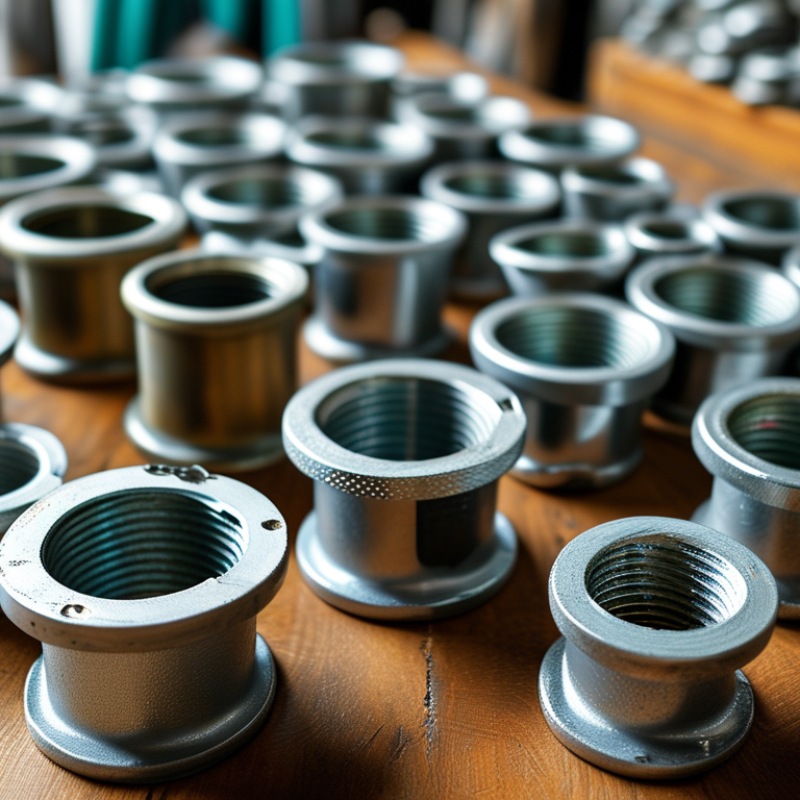
Top Hose Clamps Buying Tips for Global Buyers?

Understanding Different Types of Hose Clamps and Their Applications

When selecting hose clamps, understanding their types and applications is crucial. There are various types available, such as worm gear clamps, spring clamps, and pinch clamps. Each serves a unique purpose and can affect the integrity of your system. For instance, worm gear clamps offer strong tension and adaptability for various hose types. Spring clamps, on the other hand, provide a quick-release feature, ideal for temporary setups.

Choosing the right hose clamp can seem daunting. It’s important to consider factors like hose material, diameter, and pressure. Ensure the clamp fits snugly without damaging the hose. It’s not enough to just pick any clamp; you should evaluate if it will withstand temperature changes and environmental factors. Research any recommendations based on your specific needs.

Practical application can vary greatly. Some clamps perform well under high-pressure conditions, while others might excel in fixed installations. Testing each type in real-world scenarios can be valuable. Don't overlook the importance of installation methods either. A poorly installed clamp may lead to leaks or pressure loss, potentially causing failure in the system. Make careful decisions to maximize efficiency and reliability.

Top Hose Clamps Buying Tips for Global Buyers

Type of Hose Clamp Material Typical Applications Temperature Range (°C) Advantages
Worm Gear Clamps Stainless Steel Automotive, Industrial -40 to 100 Strong grip, rust-resistant
Spring Clamps Plastic, Stainless Steel Hoses, HVAC applications -30 to 70 Easy installation, high flexibility
Ratcheting Clamps Zinc-Plated Steel High-pressure applications -20 to 80 High strength, secure fastening
Biofuel Clamps Composite materials Biofuels, Corrosive substances -40 to 95 Resistant to chemicals, lightweight
Pincer Clamps Aluminum, Plastic Water hoses, Garden hoses -10 to 60 Cost-effective, easy to use

Key Factors to Consider When Selecting Hose Clamps for Your Needs

When selecting hose clamps, consider the material and design. Stainless steel is a popular choice due to its durability. It resists corrosion and can withstand various environmental conditions. However, it may be overkill for simple tasks. Aluminum clamps are lighter but can weaken under stress. Choose based on your specific needs.

Next, think about the clamp's size. A clamp that is too small won't secure the hose effectively. A large one can cause leaks. Measure your hoses accurately before making a purchase. In addition, ensure the clamp's mechanism is easy to operate. It should be simple to tighten or loosen.

Your application will also dictate the type of hose clamp needed. For high-pressure situations, a reliable solution is essential. In contrast, low-pressure applications allow for more flexibility. Evaluate where the clamp will be used. This impacts not only its function but also its longevity. Consider potential environmental factors, such as exposure to chemicals or extreme temperatures. Review your options with these elements in mind.

Material Choice: Best Options for Durable and Reliable Hose Clamps

Choosing the right material for hose clamps is essential for durability and reliability. Common materials include stainless steel, plastic, and aluminum. Stainless steel clamps, particularly those made from 316-grade steel, offer superior resistance to corrosion and can handle high-temperature environments. According to market research, approximately 40% of hose clamp users prefer stainless steel due to its strength and longevity.

Plastic clamps are another option. They are lightweight and resistant to rust, making them suitable for non-pressurized applications. However, they may not withstand extreme temperatures or heavy loads. Aluminum, while lightweight, may not provide the same level of strength as steel. Each material has its pros and cons, and understanding these is crucial.

When selecting hose clamps, consider the specific application. For high-pressure situations, opt for stainless steel. For lighter tasks, plastic might suffice. Always assess the environmental factors your clamps will face. Testing the materials in real-world conditions can lead to better choices. Remember that improper selection can lead to leaks or failures, emphasizing the importance of careful material choice.

Top Hose Clamps Material Comparison

Sizing and Fit: How to Measure and Choose the Right Hose Clamp

When selecting a hose clamp, proper sizing and fit are crucial. Start by measuring the inner diameter of the hose where the clamp will be fitted. This measurement should align closely with the clamp's specified size. Industry data indicates that incorrect sizing is a frequent issue, leading to leaks and equipment malfunctions. Studies show that a staggering 30% of hose failures are directly related to inappropriate clamp sizing.

Another essential factor is the material of the clamp itself. Stainless steel clamps offer durability, while plastic options are lightweight and corrosion-resistant. However, they may not suit all applications. For high-pressure systems, using a clamp with too little strength can result in catastrophic failure. Inappropriate choices often stem from a lack of understanding of the application requirements, highlighting the need for proper consultation with specialists.

It’s also vital to consider the environment where the clamp will be used. Factors such as temperature fluctuations and exposure to chemicals can significantly affect the longevity of the clamp. A comprehensive analysis of these elements can help avoid premature failures. Understanding the specifics mitigates risks that arise from guesswork in measurement and material selection.

Top Brands and Manufacturers to Consider for Quality Hose Clamps

When selecting quality hose clamps, it's important to consider the brands and manufacturers known for their reliability. Many companies offer a variety of designs, materials, and sizes, catering to different industrial needs. Each brand has its own strength, whether it be exceptional durability or corrosion resistance. Buyers should focus on reputable brands that have established a strong presence in the market.

Some manufacturers are recognized for their rigorous quality control processes. This ensures that each hose clamp meets the highest standards. Many of these companies invest in research and development. They constantly innovate to improve their product offerings. However, sometimes it’s difficult to identify the best options among numerous choices available. Buyers may feel overwhelmed by the sheer variety of products.

To make informed decisions, reviewing product specifications and user feedback is beneficial. It is also useful to compare various options based on specific application requirements. Remember, the best choice might not always come from the most well-known name. Sometimes, lesser-known brands provide equally effective solutions. Maintaining an open mind while exploring different manufacturers can lead to discovering high-quality products that meet your unique needs.

FAQS

: What materials are commonly used for hose clamps?

: Stainless steel and aluminum are popular choices. Stainless steel is durable and resists corrosion. Aluminum is lighter but may weaken under stress.

How do I measure the correct size for a hose clamp?

Measure the inner diameter of the hose. Ensure it closely matches the clamp's specified size to avoid leaks.

Why is proper sizing important for hose clamps?

Incorrect sizing can lead to leaks and equipment malfunctions. Studies show 30% of hose failures are related to improper sizing.

What should I consider for high-pressure applications?

Use clamps made of strong materials. They must withstand the pressure without failing. Consult specialists if unsure about your needs.

How does the environment affect hose clamp performance?

Temperature changes and chemical exposure can impact durability. It's essential to analyze the environment to avoid early failures.

Can I use plastic clamps for all applications?

No, while plastic clamps are corrosion-resistant, they may not handle high-pressure situations well. Assess your specific needs before choosing.

What is a common mistake when selecting hose clamps?

Many people choose clamps without understanding their application requirements. This oversight can lead to severe failures.

Is it easy to operate hose clamps?

Yes, select clamps with simple mechanisms for easy tightening or loosening. Complexity can lead to frustration and improper use.

Are there any risks in guessing measurements?

Yes, guesswork in sizing and material choice can cause significant problems. Always take time to measure accurately and consult experts.

How can I ensure my clamp lasts longer?

Analyze environmental factors, choose the right material, and size the clamp correctly. Careful consideration minimizes risks of premature failure.

Conclusion

When choosing Hose Clamps, understanding the various types available and their specific applications is crucial. Different applications may require different clamp designs, so be sure to assess the needs of your own project carefully. Key factors to consider include the material composition, which impacts durability and reliability, and the correct sizing for a tight, leak-free fit. Measurement is essential, as an improper size can lead to inefficiencies.

In addition to these considerations, select Hose Clamps from reputable manufacturers known for quality. Exploring various options and evaluating their suitability for your particular requirements will ensure effective and lasting solutions for your hose management. With the right knowledge and careful selection, you can optimize the performance of your systems using Hose Clamps.

Liam

Liam

Liam is a dedicated marketing professional with a profound expertise in the industry, where he excels at highlighting the unique advantages of our core products. With a keen understanding of market trends and consumer needs, Liam frequently updates our company’s professional blog, providing......