JUTYE SANITARY
Choosing the right Sink Basket is a small decision with daily consequences. It affects drainage, cleaning, odor control, and the protection of valuable cookware. Global buyers must compare basket strainers, deep-cup models, removable-filter designs, and waste-disposal-compatible options. Sink geometry matters. So does local plumbing practice.
Grand View Research’s Kitchen Sinks Market Size, Share & Trends Analysis Report describes continuing demand for durable, hygienic, and design-focused sink products. Fortune Business Insights also identifies material quality, product durability, and residential renovation as important market drivers. However, these reports generally measure sink markets, not Sink Basket sales alone. That limitation deserves attention. Market growth does not automatically prove that every basket design performs equally well.
Kitchen designer Mick De Giulio has described the sink as “the hardest-working item in the kitchen.” His observation explains why basket selection requires more than visual appeal. A stainless-steel basket may suit busy commercial-style kitchens, while a polypropylene model can offer lighter handling and corrosion resistance. Fine perforations help retain food particles, but they may slow drainage when poorly cleaned. Deep baskets hold more debris, yet shallow models can be easier to empty.
This guide compares the top Sink Basket types for global buyers. It considers dimensions, materials, drainage performance, cleaning effort, installation compatibility, and expected service life. Product claims should still be checked against technical drawings, test methods, and supplier samples. No single basket fits every sink. The most practical choice is often the least impressive-looking one.
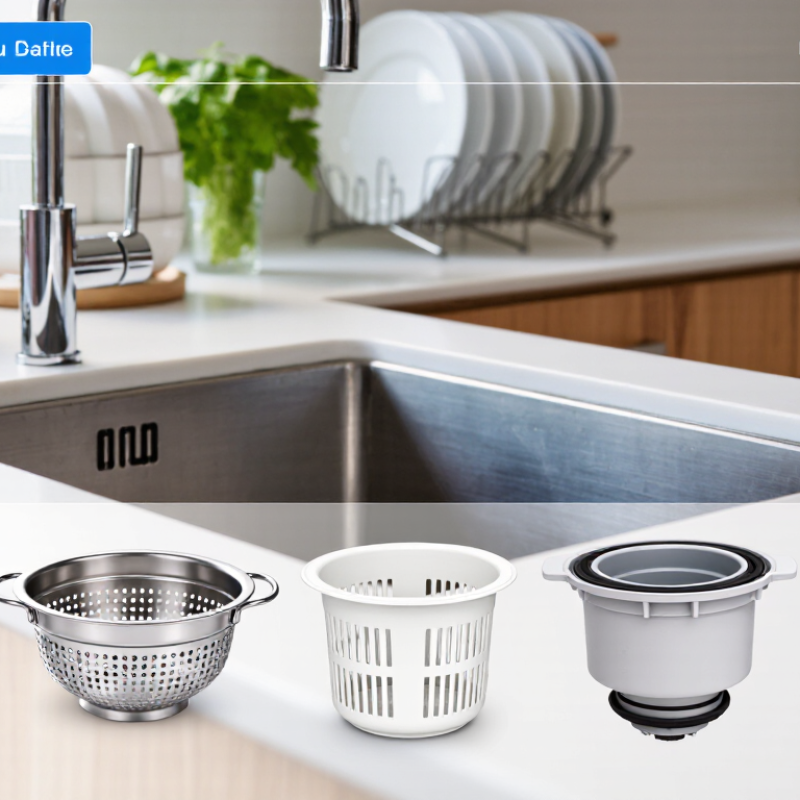
A sink basket is the removable fitting that sits inside a kitchen sink drain. It allows water to pass while holding back food scraps and larger debris. Its type matters because drainage speed, cleaning effort, and leak resistance vary significantly. A poorly matched basket may wobble, clog quickly, or leave water around the flange.
The standard stainless steel strainer suits many residential sinks. Its perforated cup catches scraps, while a removable basket makes daily cleaning simple. A deep basket holds more debris and works well in busy kitchens. A basket with a stopper can temporarily retain water for washing dishes. Some models include an overflow opening, which is important for sinks designed with overflow channels. Buyers should check the drain opening, flange diameter, basket depth, and seal thickness before ordering.
Material deserves close attention. Stainless steel usually offers strong corrosion resistance and a clean appearance. Plastic components can reduce weight and cost, but their stiffness may differ between suppliers. In my purchasing checks, small measurement errors create the most avoidable problems. A few millimeters matter. No type is perfect. Fine holes may trap more scraps but can slow drainage when greasy residue builds up. Coarse holes drain faster but allow smaller waste to enter the pipe. Global buyers should compare local sink dimensions, installation habits, replacement availability, and required testing documents before choosing a basket type.
Standard stainless steel sink baskets remain a practical choice for global buyers. They usually use corrosion-resistant steel with a perforated basket and a removable strainer. This structure catches food scraps while allowing water to drain quickly. In commercial kitchens, buyers often value this simple operation more than decorative features.
Mesh baskets filter smaller particles than wide-hole designs. However, fine mesh can clog faster and needs frequent rinsing. Deep baskets hold more waste, but they may require more cabinet clearance below the sink.
Standard baskets usually fit common drain openings, yet measurements should never be assumed. Check the drain diameter, flange depth, gasket size, and overflow design before ordering.
Material thickness also deserves attention. Thin steel may dent during installation or transport. Heavier steel feels more stable, but it can increase cost and shipping weight. A smooth surface cleans easily, while sharp punched edges create avoidable handling risks. I have found that consistent hole spacing often matters more than a polished appearance. Small differences can affect drainage.
Not perfect for every sink.
Standard stainless baskets can develop stains in harsh water conditions. Regular cleaning helps, but it does not prevent every problem. Buyers should request sample measurements, corrosion information, and installation drawings. Packaging also deserves review, especially for long-distance shipments. One overlooked gasket can turn a reliable basket into a costly fitting problem.
Deep-cup and large-capacity sink baskets are useful when ordinary shallow baskets fill too quickly. A deep cup can hold vegetable peelings, tea leaves, and small food scraps below the sink surface. Its taller sides help contain debris during rinsing, especially when several pans are being washed. That matters. Buyers should check the sink’s depth and drain opening before ordering; a basket that sits too high can obstruct cookware or interfere with a stopper.
Large-capacity baskets suit busy kitchens where washing happens in batches, such as after family meals or food preparation. They reduce how often users need to empty the basket, but they also collect more water and debris. Not always better. A very large basket may be awkward to lift when full, and a packed cup can slow drainage. Compare usable capacity, handle access, and how easily the basket lifts from the drain. Even a few millimetres of fit difference can matter. It is tempting to choose the biggest option, yet sink layout and daily habits often deserve more weight than volume alone.
| Basket Type | Typical Design | Main Advantages | Best Suited For | Points to Check Before Buying |
|---|---|---|---|---|
| Standard shallow strainer basket | A perforated, relatively shallow cup that sits in a compatible sink drain fitting. | Simple to lift out and rinse; catches common food scraps while allowing water to drain. | Everyday household use where the basket is emptied frequently. | Confirm the drain fitting, rim diameter, basket depth, and whether a stopper is needed. |
| Deep-cup basket | A deeper perforated cup with more vertical space for collected scraps than a shallow design. | Holds more debris before emptying and can help reduce how often the basket needs attention. | Busy kitchens, meal preparation, or users who prefer less frequent basket emptying. | Check clearance below the drain opening and above the plumbing or disposal unit; a deeper cup may not fit every sink setup. |
| Large-capacity basket | A basket with a wider opening, greater usable volume, or both, depending on the design. | Provides more collection area and can accommodate a larger volume of food scraps between clean-outs. | Large sinks, high-use kitchens, or households that handle substantial food preparation. | Measure the sink opening and drain assembly. A larger basket is not automatically compatible with a larger nominal drain size. |
| Basket with stopper function | Combines a strainer basket with a plug or stopper mechanism for holding water in the sink. | Offers straining and basic water-retention functionality in one drain accessory. | Kitchens where users regularly fill the sink for washing or soaking. | Check the stopper style, seal condition, operating method, and compatibility with the drain assembly. |
| Fine-perforation basket | A strainer with smaller or more closely spaced openings than a standard basket. | Can catch smaller food particles that may pass through larger openings. | Users who prioritize finer debris capture and are willing to clean the basket regularly. | Smaller openings can collect residue more quickly and may require more frequent rinsing to maintain drainage. |
| Removable-cup basket | Uses a lift-out cup or insert that can be separated from the outer drain fitting for cleaning. | Makes collected debris easier to empty without removing the full drain assembly. | Kitchens where convenient cleaning and quick removal of scraps are priorities. | Check how the insert is secured and whether replacement parts are available for the selected fitting. |
Sizing and drain-fitting designs vary by sink, plumbing system, and market. Verify the measured opening, fitting type, basket depth, and under-sink clearance before ordering; product descriptions such as “deep” or “large-capacity” are not universal size standards.
Basket strainers for waste disposal systems need to catch food scraps while allowing water to drain freely. Look for evenly spaced perforations that resist clogging without letting larger scraps pass through. A removable basket makes daily emptying easier, especially after washing dishes with rice, vegetable peelings, or coffee grounds. Small details count. A smooth rim and secure seating help reduce leaks around the drain opening.
Material and fit matter, too. Stainless steel is commonly chosen for its durability and resistance to corrosion, though grade and finish can affect performance. For sinks connected to a disposal unit, confirm the strainer’s diameter, flange depth, and mounting style match the drain assembly. A tight fit on paper can still feel awkward during installation, so check the sink and disposal specifications before ordering. Compatibility varies by market and product design.
Tips: Lift the basket regularly and rinse away grease or trapped food before buildup hardens. Check that the stopper seals properly if the basket also holds water. Avoid assuming every “standard” size is identical; measurements can differ between suppliers. A strainer that drains quickly but is difficult to remove may not suit everyday use.
What Are the Top Sink Basket Types for Global Buyers?
How Should Global Buyers Select the Right Sink Basket Type?
Global buyers should begin with the sink’s drain opening, not the basket’s appearance. Common choices include standard strainers, deep baskets, removable waste cups, and stopper-style baskets. Measure the opening, drainpipe connection, and available cabinet space. A small mismatch can cause leaks, slow drainage, or difficult installation.
Material selection deserves equal attention. Stainless steel suits busy kitchens because it resists rust and tolerates frequent cleaning. Plastic baskets usually cost less and reduce weight, but their edges may weaken over time. Check the thickness, welding quality, gasket flexibility, and surface finish. Sharp edges are a warning sign. They can damage seals during installation.
Usage should guide the final decision. Restaurants may need deep, removable baskets that hold food scraps without blocking water flow. Homes with hard water may benefit from smooth surfaces that collect less mineral buildup. Buyers should also confirm local plumbing dimensions and applicable product requirements before ordering. This step is often skipped. That creates avoidable returns.
Packaging and inspection matter during international purchasing. Ask for clear drawings, material details, sample measurements, and installation instructions. Test several samples for drainage speed and seal performance. One basket may look excellent but fail after repeated washing. A lower-cost option is not always economical when replacement labor, freight, and customer complaints are included. Experienced buyers still review these assumptions, because actual sink conditions can differ from factory drawings.
Relative suitability scores range from 1 (lower) to 5 (higher) and summarize typical functional trade-offs, not measured product performance. Confirm drain opening, depth, and installation requirements with the sink and basket specifications before ordering.
A sink basket is a removable fitting inside the drain. It lets water pass while catching food scraps and larger debris. Daily cleaning becomes easier.
Different types affect drainage speed, cleaning effort, and leak resistance. A poor match may wobble, clog, or leave water around the flange. Small mismatches cause annoying problems.
A deep basket holds more scraps from rice, vegetable peelings, and coffee grounds. A removable design makes emptying quicker. It still needs regular rinsing.
Check the drain opening, flange diameter, basket depth, and seal thickness. Also confirm the mounting style and available sink space. A few millimeters matter.
Fine holes catch smaller scraps but may drain slowly when grease builds up. Coarse holes drain faster but let smaller waste enter the pipe. Neither option is perfect.
Stainless steel usually offers corrosion resistance and a clean appearance. Plastic parts can reduce weight and cost, but stiffness may vary. Material quality still deserves checking.
A stopper can temporarily hold water for washing dishes. An overflow opening matters when the sink has an overflow channel. Do not assume every basket includes either feature.
Compare local sink dimensions, installation habits, replacement availability, and required testing documents. Confirm the basket matches the drain assembly. “Standard” sizes are not always identical.
Lift it regularly and rinse away grease or trapped food. Clean the rim and seating area with water. I might measure twice, yet still overlook the seal.
A Sink Basket is a practical kitchen and utility component that filters food particles and debris while helping control water flow into the drainage system. Its type matters because different sink designs, usage levels, and waste-handling setups require different capacities, dimensions, and drainage features. Standard stainless steel sink baskets are widely valued for their durability, corrosion resistance, easy cleaning, and compatibility with many common sinks. They are suitable for everyday household and commercial applications where reliable filtration and simple maintenance are priorities.
Deep-cup and large-capacity baskets are better choices for busy kitchens, deeper basins, or situations involving larger amounts of food waste. Basket strainers designed for waste disposal systems may include stronger construction, secure fittings, and openings that support efficient water and waste movement. Global buyers should compare sink size, installation measurements, material quality, basket depth, overflow requirements, cleaning convenience, and compatibility with local plumbing standards. Selecting the right type can improve drainage performance, extend product service life, and reduce installation or replacement problems.