JUTYE SANITARY JUTYE SANITARY

What Is a Sink Plug and How Does It Work?

Time:2026-10-01 Author:Mason
0%

A sink seems simple until water refuses to leave. At that moment, a Sink Plug becomes more than a small drain fitting. It controls the opening at the basin’s lowest point. When pressed down, it blocks the outlet and holds water for washing. When lifted, it allows water to flow through the waste pipe.

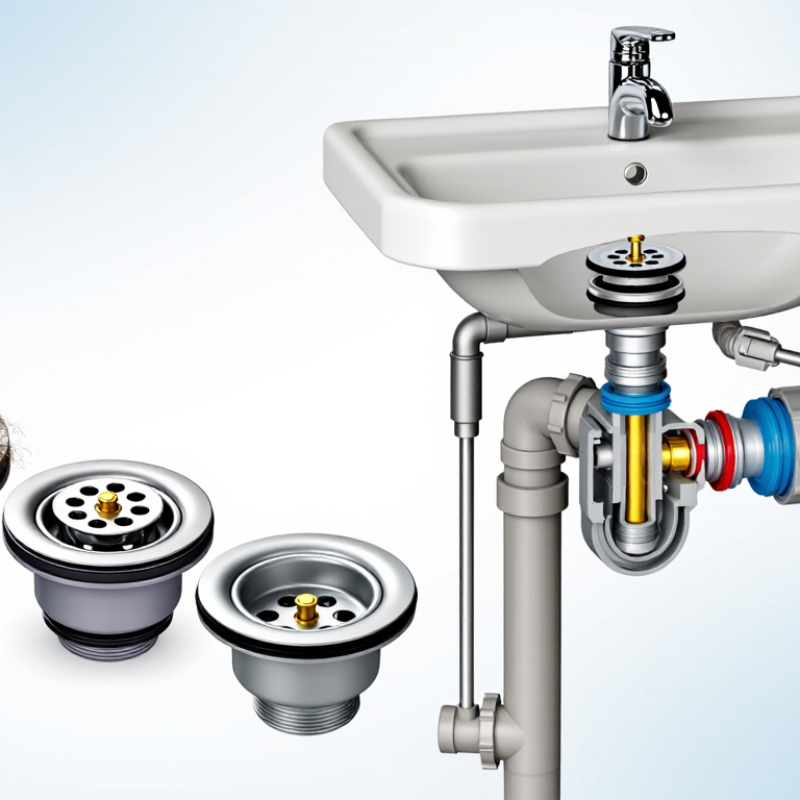
Most sink plugs use a stopper, lifting rod, and connecting linkage beneath the basin. In many bathroom sinks, the rod moves a pivot bar. That bar raises or lowers the stopper inside the drain body. Kitchen models may use a flat strainer, rubber seal, or removable basket. The exact design varies. Small differences matter.

A properly fitted plug should close firmly without forcing the handle. Water should remain still around the stopper, not slowly circle toward the drain. From practical maintenance experience, hair, soap film, and mineral deposits often cause poor sealing. Cleaning the plug and checking the pivot connection can restore normal movement. However, not every leak comes from the plug. The drain flange, gasket, or pipe joint may also be responsible.

It is easy to oversimplify this mechanism. A plug is not merely a cap. It is part of a drainage system that depends on alignment, pressure, and clean sealing surfaces. This guide explains common Sink Plug designs, how they operate, and what to inspect when performance declines. Some installations behave differently than expected, so careful observation remains important.
What Is a Sink Plug and How Does It Work?

Definition and Purpose of a Sink Plug

A sink plug is a removable or built-in device that closes the drain opening. Its main purpose is to hold water inside the basin for washing, soaking, or cleaning small items. Without it, water flows directly into the waste pipe.

Most sink plugs use a rubber seal or a shaped stopper. When pressed down, the seal sits against the drain rim and blocks the water path. Some models connect to a lifting rod beneath the faucet. Moving the rod raises or lowers the plug through a small linkage system. A tight seal depends on clean, undamaged surfaces.

In everyday use, check the plug before filling the sink. Hair, soap residue, and mineral deposits can collect around the sealing edge. Even a small grain of grit may cause a slow leak. Remove the plug carefully, rinse it, and wipe the drain opening with a soft cloth. I have found that many “broken” plugs only need cleaning or adjustment. Still, that assumption can be wrong. A hardened gasket, bent linkage, or damaged drain rim may require replacement by a qualified professional. Avoid forcing a stuck plug, because the connecting parts can bend beneath the basin. A properly fitted plug should open smoothly, close evenly, and release water without unusual gurgling.

What Is a Sink Plug and How Does It Work?

A sink plug, also called a stopper, closes the drain opening to hold water in the basin. When lifted or opened, it allows water to flow into the waste pipe. The chart shows typical nominal drain opening diameters for common sink types that plugs are designed to seal.

Typical nominal sizes are shown in inches; actual measurements can vary by fixture and installation.

Main Types of Sink Plugs

What Is a Sink Plug and How Does It Work?

Main Types of Sink Plugs

A sink plug, or basin stopper, closes the drain and holds water in the bowl. Its seal usually comes from rubber, silicone, or a molded gasket. The main types differ by movement and maintenance. A pop-up stopper connects to a rear rod beneath the faucet. Pressing the rod raises or lowers the plug. A lift-and-turn stopper locks with a small twist. It suits simple basins and needs little hardware. Push-and-pull models operate by pressing the cap directly. Flip-top plugs use a rotating disc and feel convenient. Basic rubber stoppers remain useful for temporary repairs. Not all fit perfectly.

The U.S. EPA WaterSense Fix a Leak Week guidance reports that household leaks can waste over 10,000 gallons yearly. Nationwide, leaks waste more than one trillion gallons. A poorly sealed stopper can contribute to that avoidable loss. The USGS Estimated Use of Water in the United States report recorded about 82 gallons of domestic use per person daily in 2015. Small fixtures still deserve attention. During fitting, check the drain diameter, overflow opening, and gasket compression. Run water for two minutes. Watch underneath. A dry cabinet matters. I have found appearance misleading; a shiny plug may seal badly, while a plain stopper can perform better. Mineral buildup is another overlooked problem. Clean the seat regularly, but avoid forcing stiff mechanisms.

Key Parts and Their Functions

A sink plug is a movable stopper that controls water inside a basin. Its main parts include the stopper, sealing ring, lift rod, pivot rod, and drain body. The stopper sits inside the drain opening. When lowered, it presses against the sealing ring and limits water flow. When raised, it creates a passage for water to escape.

The lift rod is usually positioned behind the faucet. Pulling it upward moves the stopper downward through a small linkage. Pushing it down lifts the stopper. A pivot rod connects the linkage to the stopper beneath the basin. Its angle matters. Even a small misalignment can leave the plug partly open. Water may then drain slowly.

The sealing ring deserves attention. It prevents leaks around the plug’s edge. Dirt, hair, and mineral deposits can harden on this surface. Cleaning these areas improves contact. I once blamed the drainpipe for a slow basin, but the stopper had collected soap residue underneath. That detail is easy to miss.

Some plugs use a spring-loaded mechanism instead of a lift rod. These models open when pressed and close when pressed again. Their internal spring can weaken over time. A loose plug may also indicate a worn seal, not a blocked drain. Checking each part separately gives a more accurate diagnosis. Even experienced maintenance work can involve a little trial and error.

How a Sink Plug Opens, Closes, and Seals

What Is a Sink Plug and How Does It Work?

A sink plug is a small stopper that controls water flow through the drain. Its main job is simple: open, close, and form a dependable seal. Different sinks use lift rods, rotating handles, or push-button mechanisms. Each design moves the stopper in a slightly different way.

When you lift a rod behind the faucet, a connecting bar raises the plug. Water then passes around its edges and enters the drain. Pressing the rod down lowers the stopper onto the drain opening. A rubber gasket or soft sealing ring presses against the drain surface. This contact blocks water from escaping. Push-button plugs use a spring-loaded mechanism instead. Press once to close. Press again to open. Small movement, clear result.

The seal depends on clean contact. Hair, soap film, and mineral deposits can collect beneath the gasket. Even a tiny grain of grit may cause slow drainage or dripping. I have found that many leaks begin with a stopper that looks clean from above. Remove it carefully and inspect the underside. A worn gasket needs replacement, while a loose linkage may only need adjustment. Do not force a stiff mechanism. I once tightened one too aggressively, and the plug stopped moving smoothly. A little caution works better than extra strength. Some plugs never seal perfectly because the drain surface is damaged or uneven. In that case, cleaning helps, but it may not solve everything.

Common Uses, Problems, and Basic Maintenance

What Is a Sink Plug and How Does It Work?

A sink plug is a movable seal that controls water flow through the drain. Pressing the plug closes the opening, while lifting it allows water to escape. Some plugs connect to a rear rod and pivot beneath the sink. Others use a simple push mechanism. The design is basic, but small parts matter.

Common Uses, Problems, and Basic Maintenance

People use sink plugs for washing dishes, soaking clothes, or cleaning small items. A loose seal can drain water slowly or leave the basin empty. Hair, food particles, and soap often collect around the stopper or drain linkage. The Water Research Foundation’s Residential End Uses of Water Study reports that faucets represent about 15.7% of indoor household water use. Leaks account for about 13.7%. A poorly sealed plug may add to unnecessary waste.

Clean the plug weekly with warm water and a soft brush. Remove the stopper carefully, then wipe the rubber seal and drain rim. Check the connecting rod for rust, bending, or loose joints. The U.S. Environmental Protection Agency’s WaterSense program estimates household leaks can waste more than 10,000 gallons yearly. That figure does not measure sink plugs directly, but it shows why minor faults deserve attention. My own maintenance checks are not always consistent. That is the weak point. If water still falls slowly, inspect the trap and drainpipe instead of forcing the plug. A damaged seal usually needs replacement.

FAQS

What is the main purpose of a sink plug?

A sink plug closes the drain opening. It holds water for washing, soaking, or cleaning small items. Without it, water flows into the waste pipe.

How does a pop-up sink plug work?

A rear lift rod connects to a pivot rod beneath the basin. Pulling or pushing the rod moves the stopper. The linkage may need adjustment.

Why does a sink plug leak slowly?

Hair, soap residue, grit, or mineral deposits can prevent a tight seal. Even one small grain may cause leakage. Clean the sealing edge carefully.

How should I clean a sink plug?

Remove the plug gently. Rinse away debris, then wipe the drain opening with a soft cloth. Check the underside too. It is easy to miss.

What are common types of sink plugs?

Common types include pop-up, lift-and-turn, push-and-pull, flip-top, and basic rubber stoppers. Their movement and maintenance needs differ. Not all fit perfectly.

Which parts control a sink plug?

The stopper, sealing ring, lift rod, pivot rod, and drain body work together. Misalignment can leave the stopper partly open. Water then drains slowly.

How can I check whether a replacement plug fits?

Measure the drain diameter and inspect the overflow opening. Check gasket compression during fitting. Run water for two minutes and watch underneath.

Why might a sink plug seem broken when it is not?

Cleaning or adjustment may solve the problem. A hardened gasket, bent linkage, or damaged drain rim can still require professional replacement. My first assumption may be wrong.

What should I do if the plug is stuck?

Do not force it. Connecting parts beneath the basin can bend. Try cleaning visible buildup first. A qualified professional may need to inspect the mechanism.

How can I reduce water waste from a leaking plug?

Inspect the stopper before filling the basin. A poorly sealed plug can waste water over time. Fix small leaks promptly, although the exact loss varies.

Conclusion

A Sink Plug is a simple device used to stop water from draining out of a basin or sink. It allows the sink to hold water for washing, soaking, or other everyday tasks, and can be removed when the water needs to drain. Common types include rubber stoppers, lift-and-turn plugs, push-button plugs, and pop-up plugs connected to a control rod. Although their designs vary, most rely on a plug body, sealing surface, linkage, and operating handle or mechanism.

When the plug is pushed down, turned, or lifted through its control system, it covers the drain opening and forms a seal against the sink or drain flange. Reversing the movement opens the passage and lets water flow away. Typical problems include slow drainage, leaks, loose connections, trapped hair, and worn sealing surfaces. Basic maintenance involves cleaning the plug and drain area regularly, removing debris, checking moving parts, and replacing damaged seals when necessary.

Mason

Mason

Mason is a seasoned marketing professional with a deep expertise in the company's offerings and a passion for driving brand awareness. With a strong background in digital marketing strategies, he has an innate ability to connect with diverse audiences and effectively communicate product benefits.......