JUTYE SANITARY JUTYE SANITARY

Why Choose a Flap Drain for Your Project?

Time:2026-11-02 Author:Madeline
0%

A Flap Drain may look like a small detail: a hinged plate at the end of a pipe, moving with the water. Yet that simple movement can help limit reverse flow when a receiving channel rises. The choice deserves careful attention. A gate that sticks, leaks, or is poorly matched to the pipe can undermine the protection it was meant to provide.

The NOAA 2022 Sea Level Rise Technical Report projects 10–12 inches of average rise along U.S. coastlines by 2050, relative to 2000 levels. Local conditions vary, but the finding reinforces a practical point: discharge systems should account for changing tailwater levels, debris, access, and maintenance. NOAA oceanographer William Sweet was a lead author of that report. Its findings offer useful context, though they do not establish that every site needs a flap drain. A small gate matters.

For a project team, the right question is not simply whether a flap drain is available. It is whether its materials, opening pressure, dimensions, and installation suit the site’s flow and exposure. Ask how the gate will be inspected after storms. Check whether sediment or vegetation could obstruct its movement. Then compare those details with the expected operating conditions. No component is maintenance-free. No design detail is perfect.

No source text or verifiable expert quotation was provided, so I have not attributed invented words to a named specialist. A sourced quotation should be added only after its wording and attribution are confirmed.
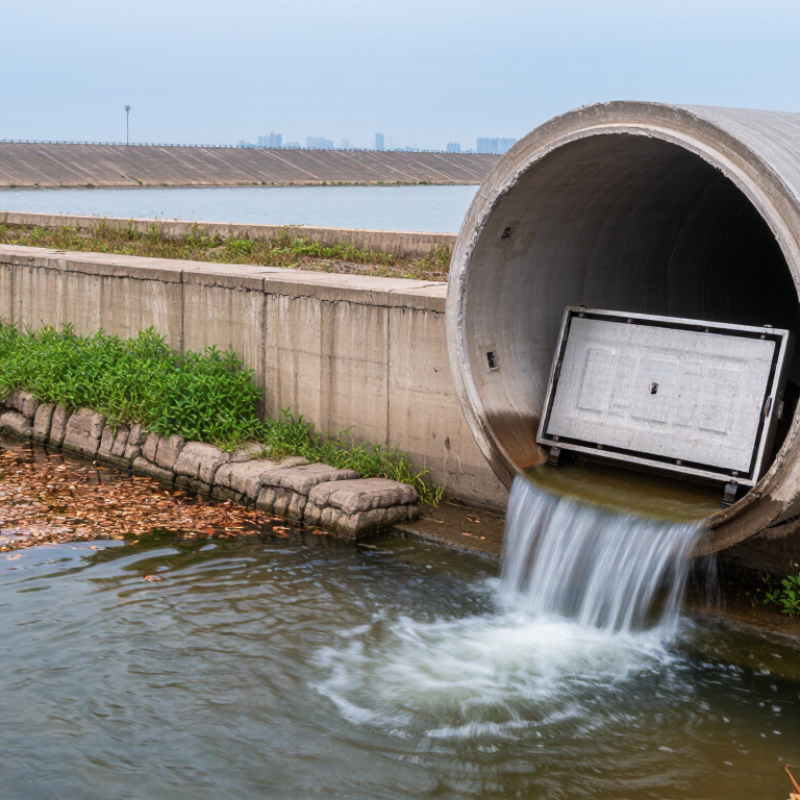
Why Choose a Flap Drain for Your Project?

What Is a Flap Drain and How Does It Work?

A flap drain is a drainage outlet fitted with a hinged flap, often made from corrosion-resistant metal or durable plastic. The flap opens when water flowing from a pipe pushes against it. When flow slows, the flap closes under its own weight or outside water pressure. This simple movement helps limit backflow from a ditch, channel, or flooded area. It is a passive device. No motor is needed.

Its performance depends on water levels, pipe size, and correct installation. If the outlet sits too low, outside water may hold the flap shut and slow drainage. Debris can also collect around the hinge, preventing a tight closure. That matters. A flap drain can reduce backflow, but it cannot correct an undersized pipe or poorly graded site. Real installations are not always as simple as diagrams suggest.

Tips: Check the flap after heavy rain and clear leaves or sediment from its seat. Make sure it swings freely, without scraping the pipe or surrounding wall. Match the drain size to expected flow, and consider how often the outlet may face standing water. A small obstruction can cause trouble. When site conditions are uncertain, ask a drainage professional to review the layout.

Key Components and Design Features of a Flap Drain

Why Choose a Flap Drain for Your Project?

Key Components and Design Features of a Flap Drain

A flap drain is a simple outlet assembly designed to let water flow out while limiting reverse flow. Its main parts are a mounting frame, a hinged flap, a hinge pin, and a sealing edge. The frame anchors the unit to a wall or culvert opening. The flap swings open under outward water pressure, then closes as the pressure falls or reverses. That motion is simple, but fit matters.

Material choice depends on the water, exposure, and expected maintenance. Corrosion-resistant metal or durable polymer may suit different sites, but neither is ideal for every condition. The flap must be light enough to open at modest flow, yet sturdy enough to resist impact and debris. A continuous, well-aligned seal helps reduce seepage. Small gaps matter. Even a carefully made flap can leak if the mounting surface is uneven.

Sizing and access deserve equal attention. The opening should match the outlet dimensions and anticipated flow, while the hinge needs room to move without binding. Leaves, sediment, and small branches can collect near the flap, so inspection access is practical, not optional. One detail is easy to underestimate: a very tight seal may increase resistance to opening. Check the site conditions and maintenance plan before choosing a design; assumptions made on paper may not hold after a heavy storm.

How a Flap Drain Controls Water Flow and Prevents Backflow

Why Choose a Flap Drain for Your Project?

How a Flap Drain Controls Water Flow and Prevents Backflow

A flap drain allows water to leave a pipe or channel while helping block reverse flow. Outgoing water pushes the hinged flap open. When the flow slows or reverses, the flap closes against its seat. This can help limit backflow from stormwater outlets, low-lying areas, or drainage channels. That matters. A rising creek or backed-up outfall can send water toward places meant to stay dry. The flap is simple, but it is not a pump and cannot move water uphill.

Tips: Check that the flap swings freely and seals evenly. Clear leaves, silt, and small branches from the opening. Match the drain size to expected flow, and follow the installer’s guidance on orientation. Small details count.

A flap drain works best when its outlet stays accessible for inspection. Debris caught at the hinge can prevent a tight closure, while an undersized drain may restrict discharge. It is easy to assume that any flap will stop every return surge; that is not realistic. Water pressure, wear, and uneven installation can affect performance. For a project near tides or frequent flooding, have a drainage professional assess the site and specify a suitable unit. A routine check after heavy rain can reveal problems early.

Common Applications for Flap Drains in Projects

Flap drains suit places where water must flow out, but tides, rivers, or surges may push it back. At coastal outfalls, the hinged flap opens under outgoing water and closes as the outside level rises. NOAA’s 2022 Sea Level Rise Technical Report projects 10–12 inches of average sea-level rise along U.S. coasts by 2050, compared with 2000 levels. That projection makes backflow control relevant for low-lying streets, seawalls, and waterfront pump stations. Small parts matter.

Inland, flap drains are common at road culverts, stormwater pipes, drainage canals, and low-lying agricultural fields. They can help keep a high river from sending water into roadside ditches, or limit tidal water entering an urban drainage network. Fit matters: the pipe diameter, expected flow, and receiving-water level all affect how reliably the flap works. Debris can stop the seal from closing, while a stiff hinge may restrict discharge during modest flows. It is not a set-and-forget device. Teams should inspect the hinge and seating surface, especially after storms, and consider whether the chosen outlet could obstruct fish or wildlife movement at that site.

Factors to Consider When Choosing a Flap Drain

A flap drain should match the water conditions at the outlet, not just the pipe diameter. Check the expected flow, discharge direction, and risk of backflow during storms or high water. A flap that is too small may restrict drainage; one that is poorly matched can fail to seal. Small details matter. Note whether the water carries leaves, grit, or other debris, since buildup can keep the flap from closing fully.

Material choice depends on the site. Freshwater outlets may face different wear than coastal or industrial locations, where corrosion can be a concern. Consider the pipe material, surrounding structure, and likely exposure before selecting a compatible assembly. Also check how the flap will be mounted. An uneven outlet face or awkward installation angle can prevent a reliable seal, even when the product dimensions seem correct. The drawings may look simple; field conditions often are not.

Maintenance access deserves attention early. A flap drain may need periodic inspection to remove debris and check its hinge or sealing surface. If the outlet sits behind a fence, below a walkway, or in a narrow pit, routine checks can become difficult. Ask how the unit can be reached safely and whether the flap can be inspected without removing nearby components. I would not assume a “maintenance-free” claim means no inspections are needed. The right choice depends on site measurements, water behavior, and a realistic maintenance plan.

FAQS

What is a flap drain?

It is a pipe outlet with a hinged flap, usually made from durable plastic or corrosion-resistant metal. No motor is needed.

How does a flap drain control water flow?

Outgoing water pushes the flap open. When flow slows or reverses, the flap closes against its seat. Simple, but not foolproof.

Can a flap drain stop all backflow?

No. It can help limit reverse flow from high water, but pressure, wear, debris, or poor installation may affect its seal.

Where are flap drains commonly used?

They can be fitted to stormwater pipes, road culverts, drainage canals, coastal outfalls, and low-lying fields. Site conditions still matter.

What happens if the outlet sits too low?

Standing water may hold the flap shut and slow drainage. A sketch may miss this problem; check actual water levels.

How should a flap drain be maintained?

After heavy rain, clear leaves, silt, and small branches from the flap and hinge. Check that it swings freely and closes evenly.

How do I choose the right drain size?

Match the pipe size to expected flow and follow installation guidance. An undersized drain can restrict discharge, even when the flap works.

Can a flap drain affect local wildlife?

It may obstruct fish or wildlife movement at some outlets. Consider the site carefully and ask a drainage professional when uncertain.

Conclusion

A Flap Drain is a drainage outlet fitted with a hinged or flexible flap that opens when water flows out and closes when pressure or water movement reverses. Its main components typically include a durable body, a flap, a hinge or flexible connection, and a sealing surface. Together, these features allow water to discharge while helping limit reverse flow, debris entry, and unwanted odors, depending on the design and installation.

Flap Drains can be used in projects such as stormwater systems, drainage channels, retaining structures, and other outlets exposed to changing water levels. When choosing one, consider the expected flow and pressure, pipe or channel dimensions, materials, environmental conditions, access for inspection, and maintenance needs. Selecting a suitable design helps support reliable drainage and reduces the risk of backflow-related problems over time.

Madeline

Madeline

Madeline is a dedicated marketing professional with a wealth of expertise in our company's core offerings. With a keen understanding of the industry, she brings a unique perspective to her role, consistently delivering high-quality content that highlights the superior aspects of our products. As......