JUTYE SANITARY JUTYE SANITARY

Why Choose Wall Hooks for Home Organization?

Time:2026-10-16 Author:Henry
0%

Why Choose Wall Hooks for Home Organization?

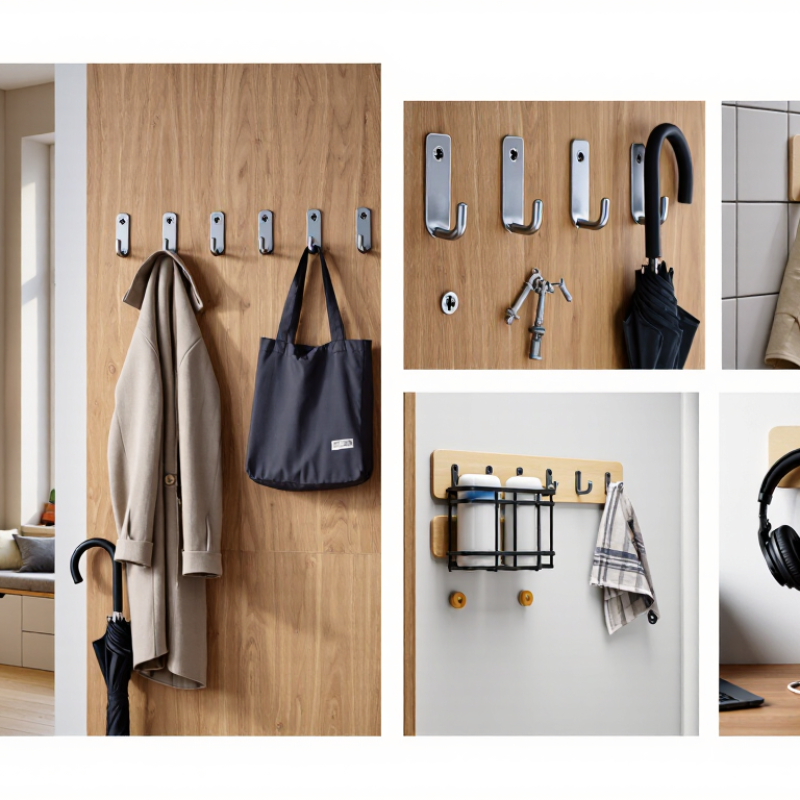
A Wall Hook can turn unused vertical space into a practical storage area. It keeps everyday items visible, accessible, and easier to return after use. In a busy entryway, one hook may hold a coat, canvas bag, or umbrella. Near a desk, it can support headphones, charging cables, or a small backpack. These simple placements reduce clutter without taking valuable floor space.

Good organization depends on more than appearance. The hook should match the wall material, expected load, and frequency of use. A professional installer would check the mounting method before attaching heavy items. Screws and anchors may suit some surfaces, while adhesive options work better for lighter belongings. Always follow the product instructions. Safety matters.

Small changes help.

From practical home organization experience, grouping hooks by routine often improves consistency. Place keys near the entrance and towels beside the sink. Keep children’s items at a reachable height. Leave enough space between hooks to prevent sleeves and straps from overlapping. However, wall hooks are not a universal solution. Too many can make a room feel crowded, and weak hardware may damage the wall. That is worth admitting.

A reliable approach begins with one tested location. Observe how the household uses it for several days. Then adjust the height, spacing, or hook style. This measured process combines convenience with durability. It also makes the organization system easier to maintain over time.
Why Choose Wall Hooks for Home Organization?

What Wall Hooks Are and How They Support Home Organization

Wall hooks are simple fixtures that attach to walls and hold everyday items. They may have one hook, several hooks, or a small shelf above them. Common materials include metal, wood, and molded plastic. Their purpose is practical: they move coats, bags, keys, and towels off crowded surfaces.

By using vertical wall space, hooks can make small rooms feel more manageable. A hook near the entrance can hold a frequently used bag. Hooks beside a desk can keep headphones and cables within reach. In my experience, visible storage works best when each item has one clear home. Not every wall needs one.

Tips: Choose hooks according to the item’s weight. Check the wall type and use suitable anchors when needed. Follow the installation instructions carefully. Leave space between hooks to prevent tangling. Test each hook gently before adding heavier items.

Reliable organization also depends on placement, not only hardware. Mount hooks at a comfortable height for daily users, including children when appropriate. Keep fragile items away from busy walkways. I once placed a hook too close to a doorway, and bags repeatedly caught on passing sleeves. The arrangement looked tidy, but it was inconvenient. A small adjustment solved most of the problem. Still, I should have measured the traffic path first.

How Wall Hooks Improve Storage Efficiency in Different Rooms

Why Choose Wall Hooks for Home Organization?

How Wall Hooks Improve Storage Efficiency in Different Rooms

Wall hooks turn unused wall space into practical storage. In a narrow hallway, they keep coats, umbrellas, and bags above the floor. This makes walking safer and reduces clutter near the door. A hook beside a mirror can hold keys or a small tote. Daily routines become easier to manage.

In kitchens, sturdy hooks can support measuring cups, towels, and lightweight pans. Mounting them near the preparation area saves drawer space. Bathrooms benefit from hooks for robes, towels, and cleaning brushes. However, damp rooms need rust-resistant materials and good ventilation. I once placed a towel hook too close to the shower. It stayed wet and became inconvenient, so placement matters more than appearance.

Bedrooms often need flexible storage. Hooks behind a door can hold scarves, belts, or tomorrow’s outfit. In a work area, they can lift headphones and charging cables from the desk. Install hooks into wall studs when possible, and check the surface before drilling. Adhesive options suit light items, but their holding power can weaken with dust, heat, or humidity. Leave enough space between hooks. Otherwise, organized objects quickly become a tangled row. A small label may help children return items independently, although labels can feel excessive in a calm room.

Key Benefits of Using Wall Hooks for Everyday Household Items

Why Choose Wall Hooks for Home Organization?

Wall hooks give everyday items a defined landing place. Keys, dog leashes, aprons, and headphones stay visible near the door. This reduces the small searches that quietly waste time. Vertical storage uses overlooked wall area without consuming a drawer or countertop.

The U.S. Census Bureau reported a median new-home floor area of 2,411 square feet in 2023.

More space still does not guarantee better organization. Vertical storage uses overlooked wall area without consuming a drawer or countertop.

A practical hook system should match the item’s weight and frequency of use. Place sturdy hooks at shoulder height for coats and bags. Use smaller hooks inside cabinets for measuring cups or cleaning brushes.

The U.S. Environmental Protection Agency’s 2022 Facts and Figures report recorded 4.9 pounds of municipal solid waste per person daily. Better visibility may discourage duplicate purchases, although hooks cannot solve excessive buying alone. That part requires honest reflection.

I once installed hooks too close together. The bags collided, and nobody used them comfortably. Spacing matters. So does secure mounting. Choose suitable anchors for drywall, tile, or masonry, and test each hook gradually.

A simple label can help children return items independently. Keep sharp or fragile objects out of their reach. The best arrangement is not the fullest wall. It is the one people can maintain on a rushed morning.

How to Choose Wall Hooks Based on Materials, Weight, and Placement

Wall hooks can make a narrow hallway useful without taking floor space. The material matters because each type handles daily stress differently. Coated metal suits coats, bags, and repeated use. Stainless steel performs better in humid bathrooms. Solid wood feels warm, but it may split near weak screw holes. Plastic works for light accessories, not heavy winter jackets.

Check the hook’s stated weight limit before installation. Do not treat that number as a promise for every wall. A hook rated for 10 kilograms may hold less on soft drywall. Include the weight of the hook, hardware, and objects together. A loaded backpack also pulls outward, creating more stress than a hanging scarf. I once installed a hook too close to a drywall edge. It loosened within days. That was my mistake.

Placement should match the movement around it. Install entryway hooks near shoulder height, leaving enough space between bulky coats. Use a stud for heavier loads whenever possible. For masonry walls, choose suitable wall plugs and screws. Drywall usually needs an anchor unless the screw reaches a stud. In bathrooms, keep hooks away from direct spray and inspect metal parts for rust. Press the hook firmly after installation, then test it with a lighter object. Small adjustments are easier before the wall becomes crowded.

How to Install and Arrange Wall Hooks for Safe, Practical Use

Wall hooks can turn an empty wall into useful storage without taking floor space. Safe installation starts with the wall itself. I tap the surface first, listening for solid areas and hollow sounds. A stud provides stronger support than drywall alone. When no stud is available, I choose anchors rated above the hook’s expected load.

Measure before drilling. Mark each position with a pencil, then check the line with a level. Keep hooks far enough apart for coats, bags, and hands to move freely. For daily items, a height near shoulder level is usually practical. Lower hooks work better for children, but they should not create a climbing invitation. I also avoid placing hooks above heaters, sinks, or sharp furniture corners.

Small details matter. Tighten screws firmly, but do not crush soft wall material. After installation, I pull each hook gently and watch for movement. It should feel stable. Place heavier items closest to studs, while lighter scarves or keys can use reinforced drywall anchors. Rounded hooks reduce snagging, especially in narrow hallways. My first arrangement looked tidy but crowded; spacing it wider made every item easier to remove. That mistake reminded me to test the layout with real coats, not an empty wall. Recheck the hardware after several weeks, because walls can shift slightly and screws may loosen.

FAQS

How do wall hooks improve storage efficiency in a narrow hallway?

They use empty wall space for coats, umbrellas, bags, and keys. This keeps the floor clearer and makes walking safer. A hook beside a mirror can hold daily essentials.

Where should kitchen wall hooks be installed?

Place sturdy hooks near the preparation area. They can hold measuring cups, towels, and lightweight pans. This saves drawer space and keeps tools visible.

What should I consider when using hooks in a bathroom?

Choose rust-resistant materials and provide good ventilation. Keep hooks away from constant splashing when possible. I once placed one beside a shower, and the towel stayed wet.

Can wall hooks help organize a bedroom or work area?

Hooks behind a door can hold scarves, belts, or tomorrow’s outfit. In a work area, they can lift headphones and charging cables off the desk. Small changes help.

Are adhesive hooks suitable for every item?

Adhesive hooks suit light items, such as keys or scarves. Dust, heat, and humidity can weaken their holding power. Do not trust them with heavy coats without checking their rating.

How can I install wall hooks safely?

Check the wall before drilling. Wall studs provide stronger support than drywall alone. If no stud exists, use anchors rated above the expected load.

How far apart should wall hooks be placed?

Leave enough room for hands, coats, and bags to move freely. Shoulder height usually works for adults. Lower hooks suit children, but they should not encourage climbing.

How can I test whether installed hooks are secure?

Tighten screws firmly without crushing soft wall material. Pull each hook gently and watch for movement. Recheck the hardware after several weeks, because screws may loosen.

What common arrangement mistake should I avoid?

Avoid making hooks look tidy but crowded. Test the layout with real coats and bags, not an empty wall. I once spaced mine too closely; wider gaps worked better.

Conclusion

Wall hooks are simple, space-saving tools that help organize everyday household items by turning unused wall areas into practical storage. A Wall Hook can keep coats, hats, bags, keys, towels, kitchen tools, and accessories within easy reach while reducing clutter on floors, tables, and countertops. In entryways, bedrooms, bathrooms, kitchens, and utility areas, well-placed hooks improve storage efficiency without requiring large cabinets or shelves. They also make frequently used belongings easier to find and encourage a more orderly daily routine.

When choosing wall hooks, consider the material, weight capacity, hook shape, and installation surface. Lightweight hooks may suit small accessories, while stronger options are better for coats, backpacks, or heavier tools. Placement should match the user’s height and the room’s layout, leaving enough space between items for convenient access. Secure installation, suitable hardware, and balanced arrangement are essential for safe, stable, and practical use. With thoughtful selection and positioning, wall hooks can provide flexible organization while making better use of limited home space.

Henry

Henry

Henry is a dedicated marketing professional with a profound expertise in the company's offerings. With years of experience in the industry, he possesses an impressive understanding of the market dynamics and consumer behaviors that drive success. Henry is committed to sharing his insights through......