JUTYE SANITARY
JUTYE SANITARY
JUTYE SANITARY
Engineered to exact tolerances for global building and plumbing systems
In modern architectural construction and high-end sanitary decoration, the alignment tolerances of floor and wall surfaces have reached millimeter-level precision requirements. Traditional tiling methods rely heavily on the experiential skills of operators, leading to systemic variables in tile lippage, structural settling, and adhesive shrinkage. The development of specialized tile leveling systems has transformed structural installation workflows. Today, professional tiling contractors, construction engineers, and wholesale building supply firms view tile levelers as essential structural components rather than simple tools.
For international sourcing managers, navigating the landscape of China tile leveler manufacturers requires a deep understanding of polymer durability, mechanical engineering tolerances, supply chain logistics, and material composition. As global logistics costs and production standards fluctuate, selecting a factory that offers reliable raw material formulation, customized mold engineering (OEM/ODM), and robust supply chain integration is critical to maintaining a competitive edge.
Information Gain Concept: The performance of a tile leveling clip is determined by its tensile strength at the pre-determined break point. Under-engineered clips snap prematurely during tensioning, while over-engineered clips fail to break clean after the thinset cures, leaving plastic fragments embedded in grout lines. China's top-tier manufacturers utilize custom-blended virgin polypropylene (PP) to achieve precise break-points under specific load parameters.
China represents the largest industrial cluster for plastic injection molding and hardware components. The geographic clustering of specialized manufacturers, particularly in coastal zones such as Ningbo and Zhejiang, creates unique structural advantages:
Direct access to chemical processing hubs guarantees high-grade copolymer polypropylene that resists fatigue.
Advanced multi-cavity hot runner molds ensure consistency across millions of structural units.
Proximity to major shipping corridors reduces inland freight costs and expedites transit cycles.
In addition to geographical and material advantages, the integration of advanced automation in Chinese factories has reduced human error in production. Automatic sorting, packaging, and real-time stress testing are integrated directly into the production line. This level of quality control ensures that each batch of tile leveling clips, wedges, and metal pliers behaves identically under field conditions.
Understanding the mechanical distinctions between the major tile leveling designs is necessary for choosing the correct product line for your market:
This is the most common industry standard. It consists of a disposable plastic clip (placed between tiles) and a reusable wedge that is driven into the clip's slot via tensioning pliers.
This system replaces the wedge with a circular cap that screws down onto a threaded vertical stem.
Unlike disposable plastic systems, T-Needle systems feature a hardened stainless steel pin that is inserted into the tile joint, rotated 90 degrees to hook under the tile base, and clamped from above.
While specialized tooling is essential, leading global projects require a unified procurement strategy spanning sanitary hardware, brass components, and architectural leveling accessories. Ningbo Jutye Sanitary Tech Co., Ltd. serves as a reliable supply-chain anchor, bridging high-precision sanitary engineering with durable installation systems.
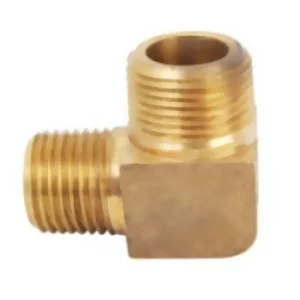
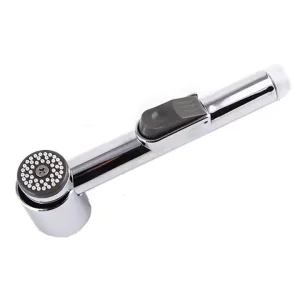
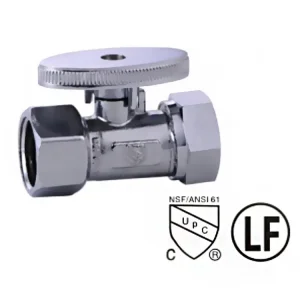
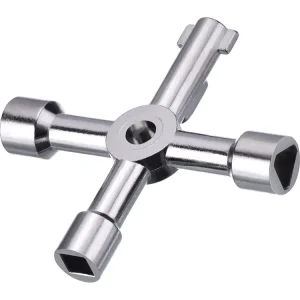
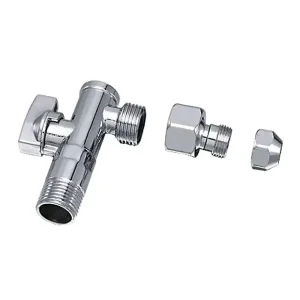
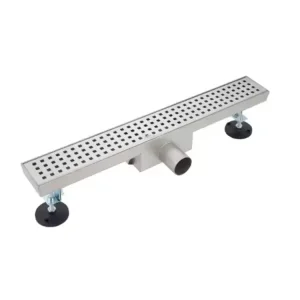
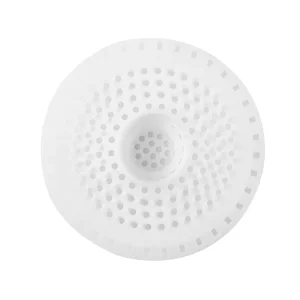
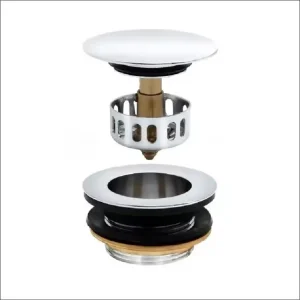
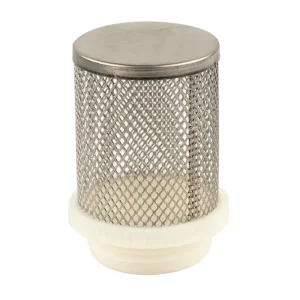
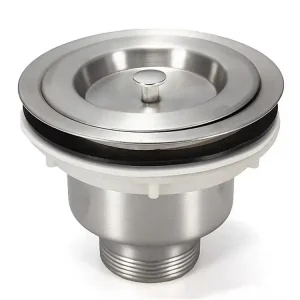
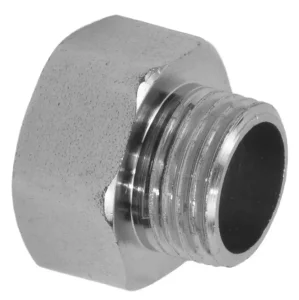
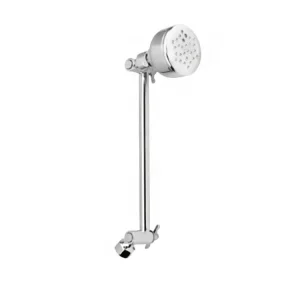
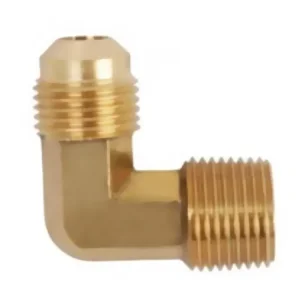
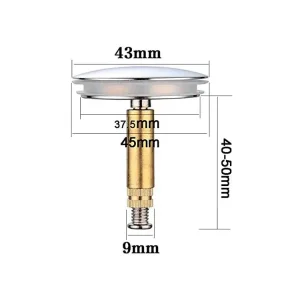
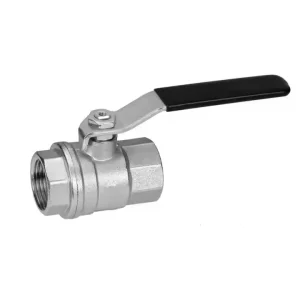
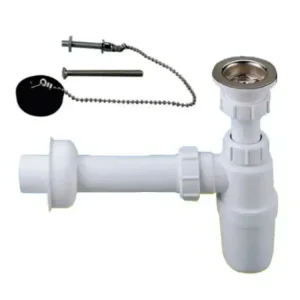
Located in Ningbo, Zhejiang—extremely close to the deep-water port of Ningbo—we are a premier OEM and ODM manufacturer of plastic accessories, brass fittings, floor drains, sink drains, shower caddies, angle valves, and premium bathroom installation tools. Our integrated production facilities utilize advanced automated processing technology to lower client procurement overheads while maintaining strict quality controls.
We adhere to a strict policy of "improving the quality of production." From raw material sourcing (including high-grade SUS304, brass, ABS, and specialized polymers) to final component assembly, every batch undergoes rigorous load-testing, chemical compatibility tests, and dimension analysis to ensure field performance.

Custom mold-embossing and bespoke product packaging for large distributors looking to grow their brand footprint.
Produce clips, wedges, and tool housings in custom Pantone colors to align with your corporate brand guidelines.
Select from Stainless Steel 304, brass, engineered rubber, high-impact ABS, or copolymer PP to match specific performance parameters.
Tile leveling systems are specialized for different installation environments and tile structures. Understanding these variables ensures that sourcing procurement aligns with direct installer needs:
Tiles exceeding 600x600mm are prone to warping. A robust clip system with heavy-duty wedges is required to pull the warped corners into alignment and maintain flatness during adhesive curing.
For ultra-thin (3mm to 6mm) porcelain tiles, the clips must apply pressure gently and evenly to prevent cracking the delicate edges while pulling them into plane.
Outdoor tiling and wetrooms require special attention to drainage slopes. Levelers must align the tiles without interfering with the substrate slopes required for water runoff.
As environmental regulations and automation technologies advance, several shifts are occurring in the tile accessory manufacturing sector:
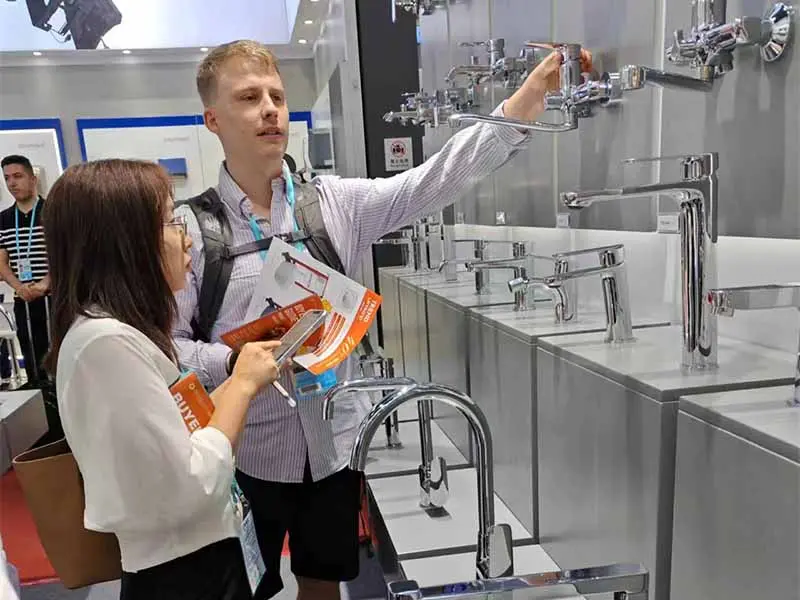
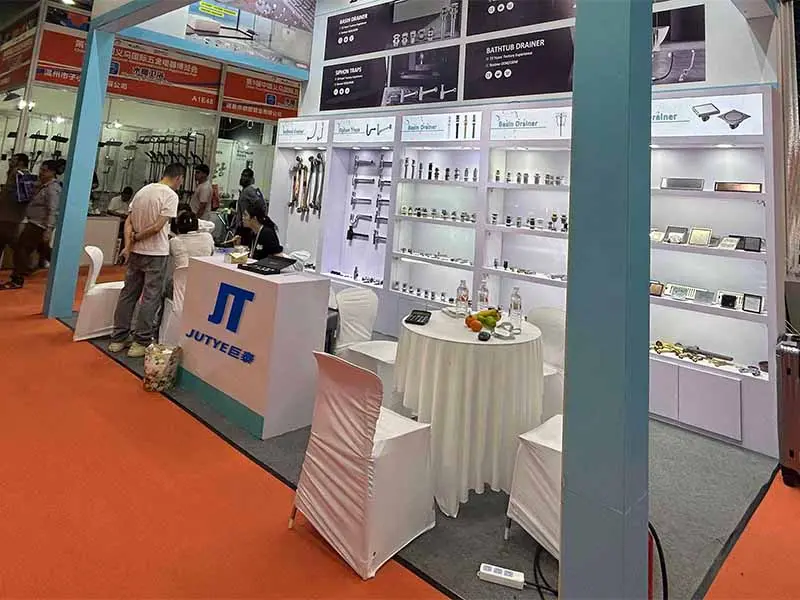
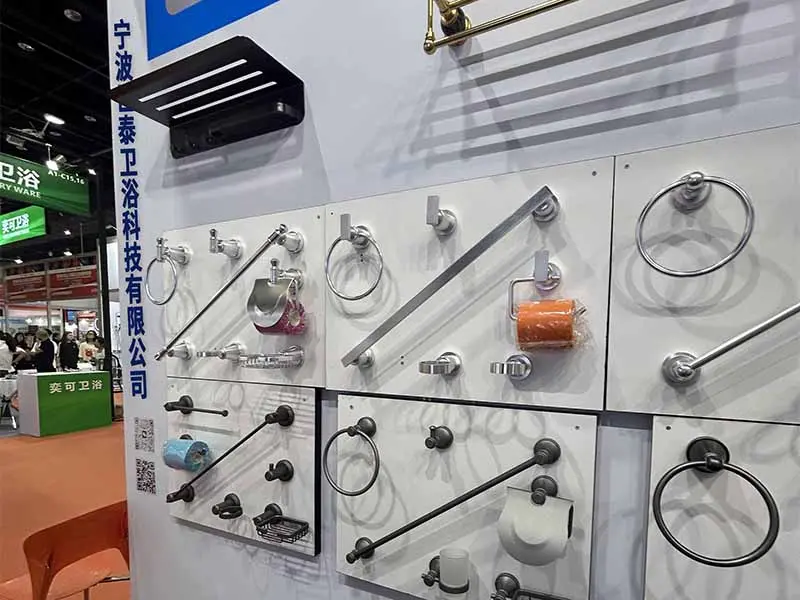
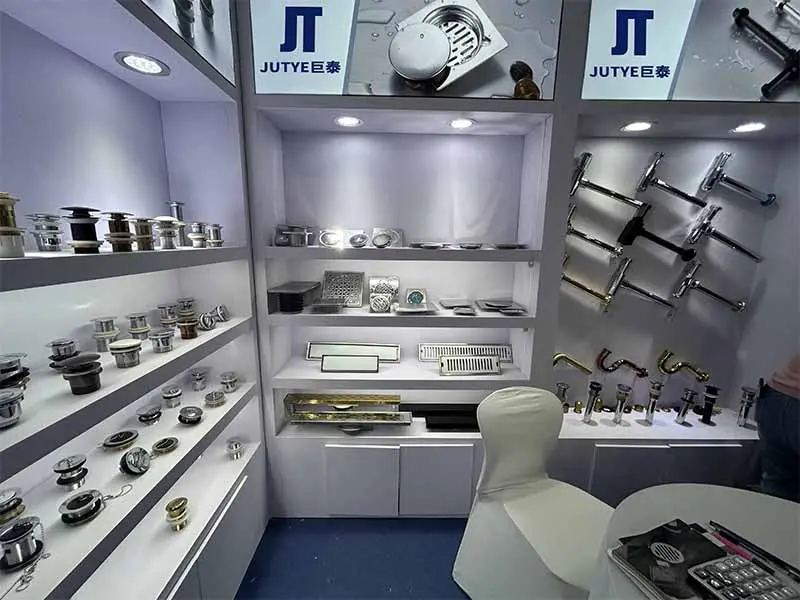
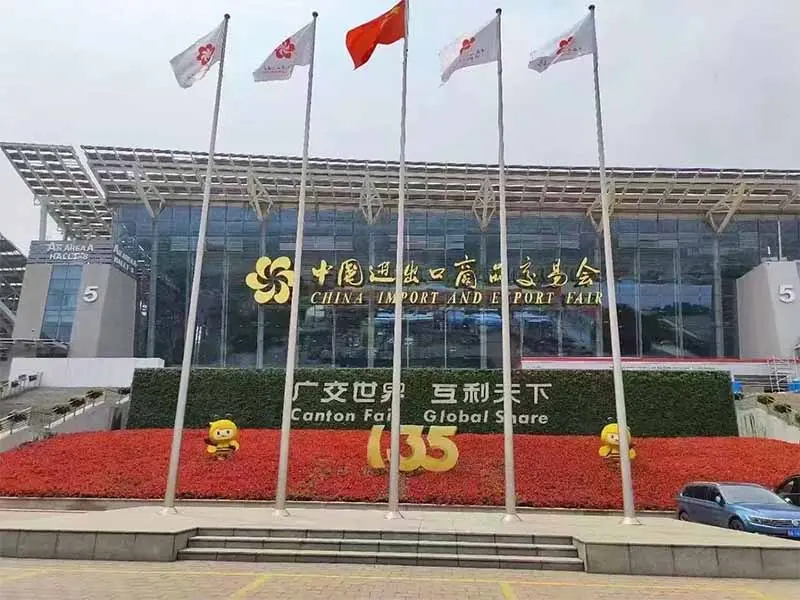
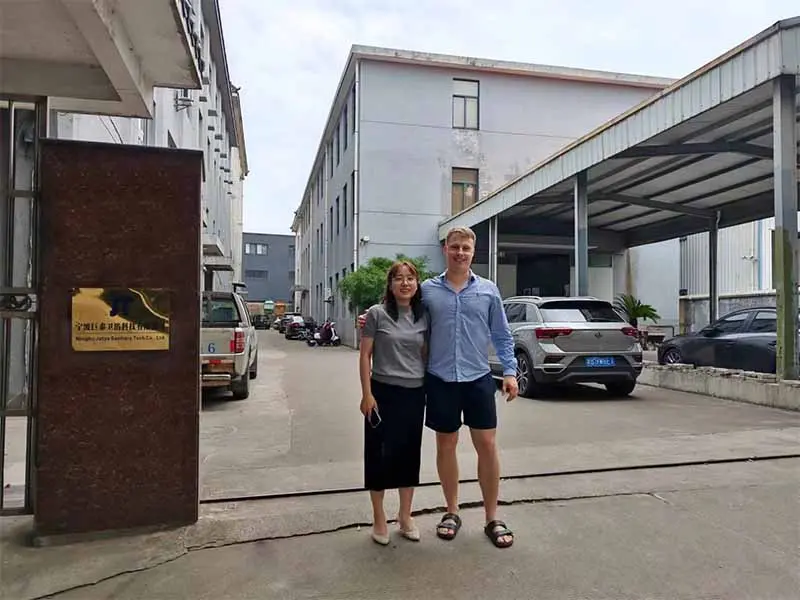
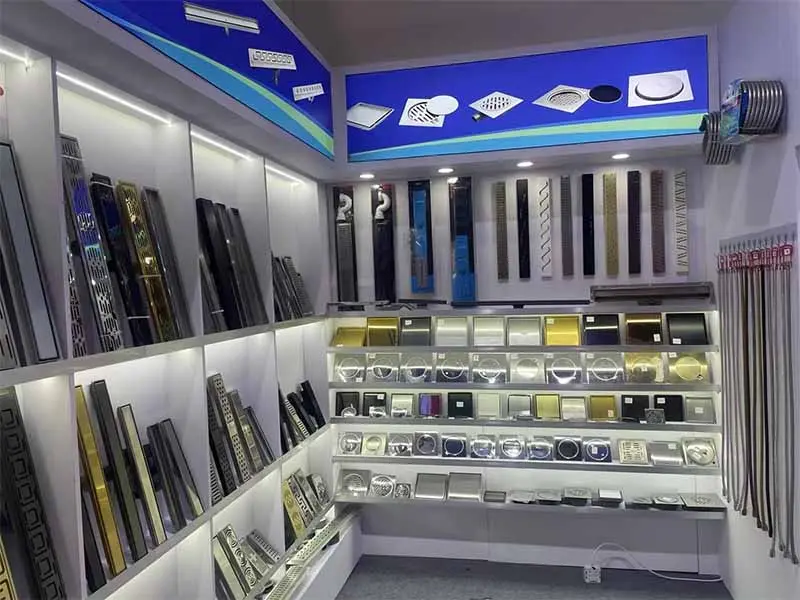
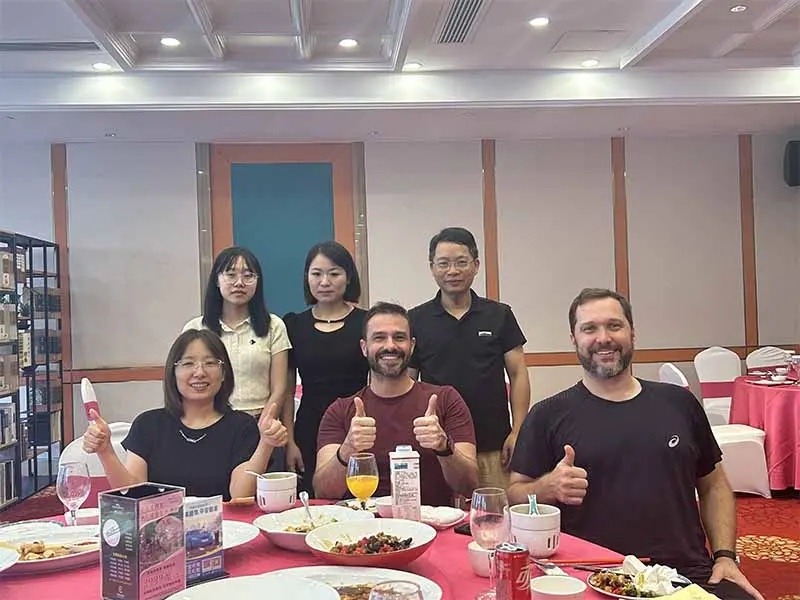
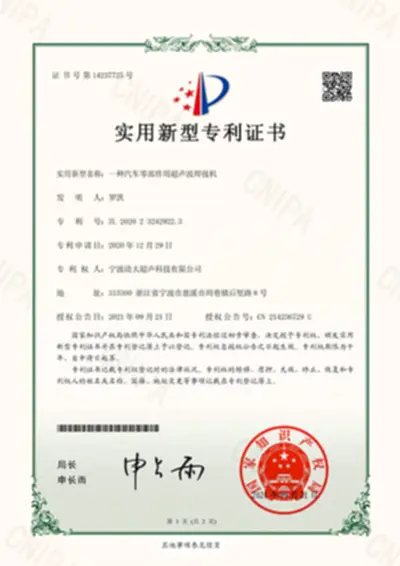
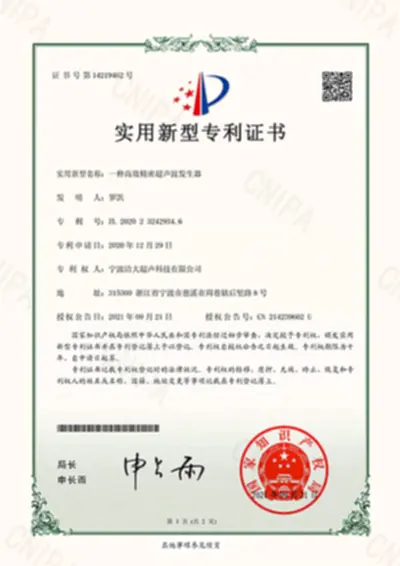
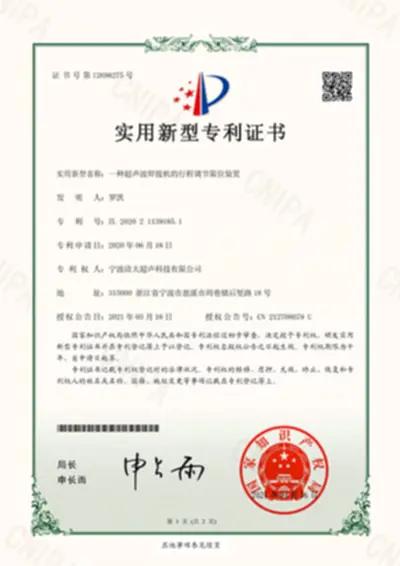
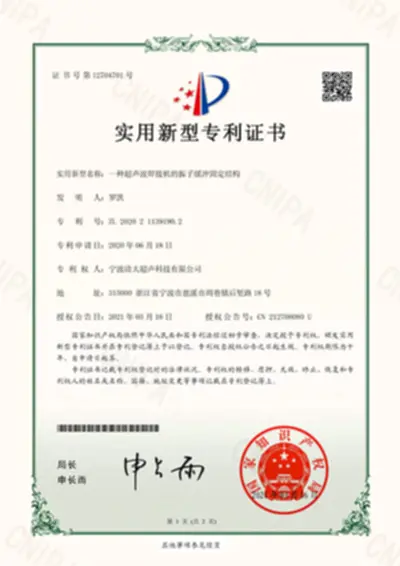
Global exhibitions and international certifications verifying our manufacturing standards
Technical answers to common questions about sourcing tile leveling systems
Sourced and certified for high-end commercial installations