JUTYE SANITARY
JUTYE SANITARY
JUTYE SANITARY
Engineered for structural durability and precision performance
An in-depth analysis of high-pressure liquid containment, concrete joint protection, and sanitary drainage sealing dynamics.
In modern civil engineering and high-end sanitary design, structural integrity hinges on the management of fluid dynamics. Concrete, while exceptionally strong under compression, is inherently porous and prone to cracking. Water infiltration through construction, expansion, or contraction joints poses one of the most severe threats to infrastructure longevity. The global waterstop market has evolved from simple physical barriers into highly sophisticated, polymer-engineered systems designed to withstand extreme hydrostatic pressures, seismic movement, and chemical exposure.
Globally, the demand for premium-grade waterstops is driven by the rapid expansion of municipal wastewater treatment facilities, subways, marine ports, dams, and modern high-density residential properties. Key material categories such as Polyvinyl Chloride (PVC), thermoplastic elastomers (TPE), hydrophilic rubber, and specialized metals serve specific structural requirements. Simultaneously, high-end residential and commercial architecture demands specialized internal seals, such as modern floor drains, sink strainers, and precision valves, which operate on similar principles of fluid separation and containment. The intersection of macro-infrastructure waterstops and micro-sanitary waterproofing forms the foundation of contemporary fluid sealing technology.
Preventing water penetration in high-stress construction joints through engineered expansion-absorption configurations. Crucial for subways, tunnels, and high-rise basements.
Utilizing high-grade synthetic elastomers (EPDM, NBR, PVC) to manufacture robust seals that resist chemical degradation and extreme temperature shifts.
Conforming to rigorous international testing protocols (ASTM, DIN, ISO) to verify aging resistance, tensile strength, and structural performance under mechanical load.
A trusted name in advanced hardware manufacturing, sealing mechanisms, and precision sanitary engineering.
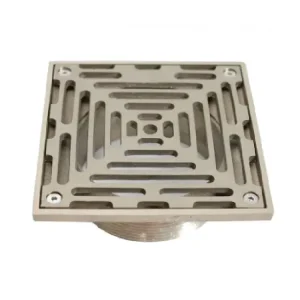
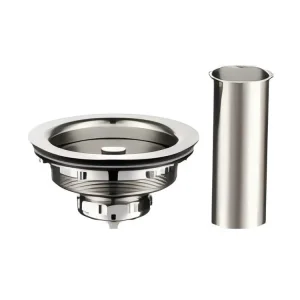
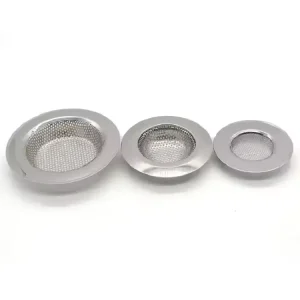
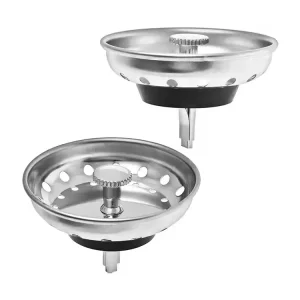
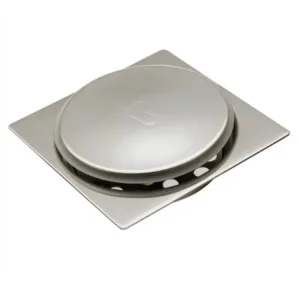
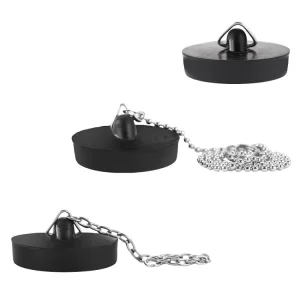
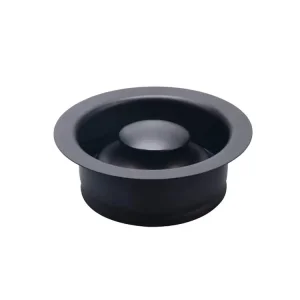
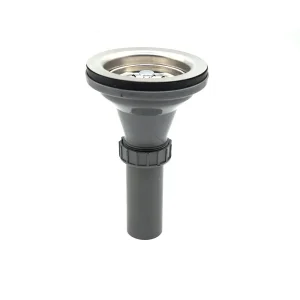
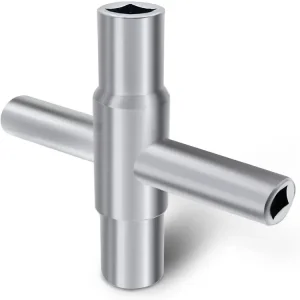
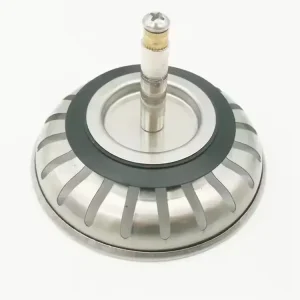
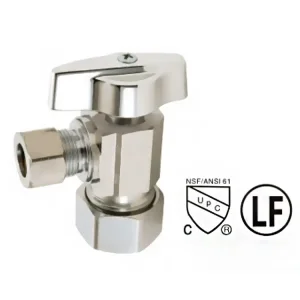
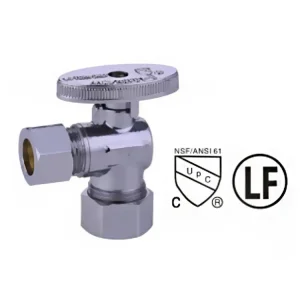
NINGBO JUTYE SANITARY TECH CO., LTD is a professional supplier of high-precision accessories for sanitary wares, water systems, and structural joints. Strategically situated in Ningbo, Zhejiang province—directly adjacent to the deep-water Seaport of Ningbo—we optimize logistical pathways for global distribution. We specialize in plastic accessories, brass fittings, floor drains, sink drains, shower caddies, angle valves, and customized sealing solutions.
As a specialized hardware and sanitary components manufacturer, we offer an exhaustive range of structural and plumbing solutions. By optimizing our supply chain and automated production workflows, we offer premium, cost-effective OEM/ODM services. From raw material procurement (such as grade-304 stainless steel, high-purity brass, and specialized rubber polymers) to the final finished product, every stage undergoes rigorous inspection.
We leverage advanced processing machinery to maintain stable tolerances and enhance production yields. Our internal research and development team partners directly with design and engineering groups worldwide. This cross-disciplinary approach allows us to deliver customized configurations, shapes, and branding parameters, creating durable components optimized for modern resource-efficient architecture.
Leveraging advanced industrial clusters, rapid prototyping, and automated logistics to optimize your procurement costs.
China's position as the leading global manufacturer of waterstops, industrial seals, and plumbing components is built on comprehensive supply chain integration. The Ningbo industrial zone features a dense concentration of raw material processors, specialized polymer compounders, precision mold designers, and testing laboratories. This concentrated ecosystem enables Ningbo Jutye to respond to custom design requests rapidly, reducing lead times from months to weeks.
Our facility implements automated extrusion lines and computer-controlled plastic injection molding machines to minimize manual errors and maintain consistent physical properties across production runs. By lowering scrap rates and optimizing energy consumption, we pass the cost savings directly to our global partners. Proximity to the Port of Ningbo further guarantees rapid customs clearance and highly reliable shipping schedules, neutralizing potential supply chain disruptions.
Choosing the correct sealing profiles for distinct environmental challenges and engineering standards.
For tunnels, subway stations, and hydro-structures, heavy-duty elastomeric waterstops are mandatory. These elements accommodate high joints expansion, contraction, and shear motions while sealing out groundwater. Our materials are formulated to resist permanent deformation under continuous compression.
Within homes and hotels, water mitigation shifts to high-capacity floor drains, modern sink strainers, and precision control valves. A failure in these sub-systems leads to progressive drywall rot and structural framing degradation. Ningbo Jutye designs these micro-barriers with matching high-tolerance standards.
Wastewater treatment complexes and chemical storage pits expose water seals to extreme pH ranges, dissolved sulfates, and chemical solvents. For these applications, specialized PVC profiles with customized plasticizer ratios and EPDM formulations provide the necessary chemical resistance to avoid premature brittleness.
Civil engineering designers select waterstop profiles based on calculated joint movements: lateral, shear, and transverse. For expansion joints, a waterstop with a hollow center bulb is recommended, as it flexes without tearing the polymer matrix. Conversely, for construction joints with minimal expected movement, flat ribbed designs provide optimal concrete bonding. Ningbo Jutye offers customized shape options, allowing project engineers to match specific rib counts, bulb dimensions, and flange configurations to project parameters.
Integrating smart materials, environmental sustainability, and precision automation into fluid control structures.
Environmental standards restrict the leaching of heavy metals and phthalates into municipal water supplies. Global markets are shifting toward lead-free PVC formulations and recyclable thermoplastic elastomers (TPE) that minimize environmental impacts during manufacture and throughout their operational lifespan.
Smart swelling waterstops leverage composite structures: a sturdy, non-swelling core (for structural stability) combined with outer hydrophilic strips. When exposed to water, these strips expand uniformly, sealing micro-voids in the surrounding concrete.
Field splicing of PVC waterstops requires heat welding. Modern site tools focus on automated joint welding jigs that ensure consistent temperatures and clamping force. This reduces installation errors, ensuring a continuous waterproofing barrier across the structure.
Strategies for commercial buyers and engineering procurement professionals sourcing from China.
Procuring construction components at scale requires balancing material costs, logistical expenses, compliance certifications, and supplier reliability. At Ningbo Jutye, we help global buyers manage these variables. We suggest buyers implement three primary criteria when choosing a manufacturing partner:
Ningbo Jutye addresses these criteria by supplying complete material mill sheets, offering custom CAD design reviews, and providing FOB Ningbo delivery options. This transparency helps minimize risk for global infrastructure developments.
Expert answers to common questions about materials, installation, and procurement in the waterstop industry.
Premium auxiliary fittings engineered for maximum performance and longevity