JUTYE SANITARY
JUTYE SANITARY
JUTYE SANITARY
Direct supply from our advanced manufacturing facility, ensuring tight connections and leak-proof engineering.
A technical examination of high-performance fluid connections, standard protocols, and structural demands.
Modern hose clamps are fundamental in preventing leakage across industrial networks, agricultural lines, and sanitary plumbing systems. Global procurement demands highly resistant structures such as SS304 (W4) and SS316 (W5) steel alloys.
These raw formulations conform to DIN 3017, SAE J1508, and BS 5315 codes. Correct chemical ratios avoid stress corrosion cracking (SCC) in systems subjected to high vibration, varying temperatures, and contact with alkaline or acidic environments.
In Ningbo, the proximity to specialized steel plants and the deep-water Zhoushan port provides a logistical and processing advantage. Stamping operations utilize multi-station progressive dies, optimizing production rates and ensuring dimensional stability.
By controlling tolerances, Chinese factories achieve uniform band thickness and clean thread engagement on worm gears. This results in consistent radial pressure distribution and high installation torque values.
Clamping demands vary widely across different application fields. Low-pressure applications benefit from perforated worm-gear designs, while high-vibration systems require heavy-duty T-bolt clamps.
For automotive cooling lines, constant-tension spring clamps adapt dynamically to thermal expansion cycles. We optimize band widths and housing shapes to protect hoses from cutting or abrasion under high tension.
A closer look at the localized integration of Ningbo Jutye's technical ecosystems and manufacturing protocols.
Located in Ningbo, Zhejiang, adjacent to one of China's largest seaports, we design and manufacture accessories for sanitary ware, plumbing systems, and fluid control networks.
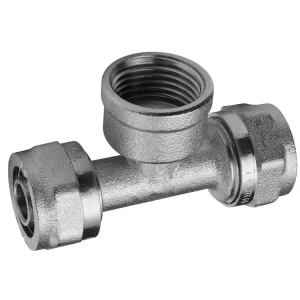
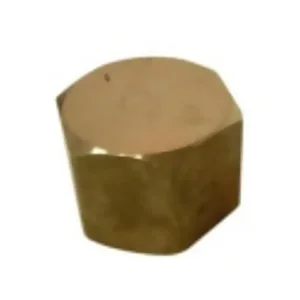
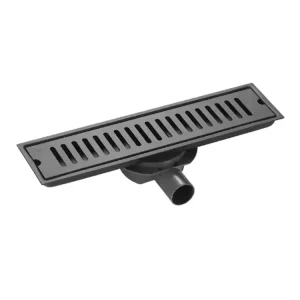
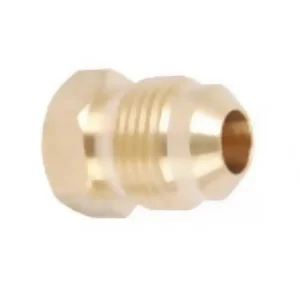
Our portfolio includes brass fittings, floor drains, sink drains, shower caddies, angle valves, and premium clamping systems.
By integrating structural engineering with automated stamping, cold-forging, and machining, we provide OEM and ODM components that meet international quality standards.
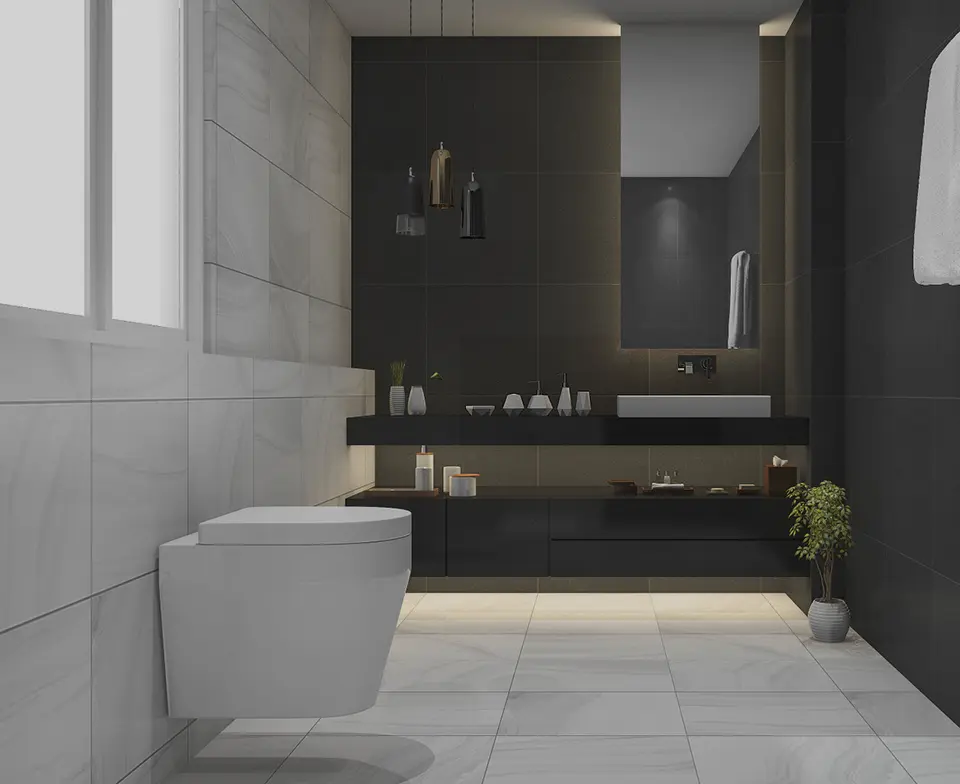
We optimize custom dimensions, housing profiles, and material compositions to suit specific project conditions.
Logo & Symbol Customization: We offer branding via laser etching or custom tooling directly on bands, housings, or valve structures to support market positioning.
Appearance & Color Control: Product surfaces are treated with methods like electroplating, powder coating, or electropolishing to ensure corrosion resistance and meet specific aesthetic requirements.
Material Quality Control: Components are produced using specific alloys like HPb59-1 Brass, SS304, and high-density EPDM gaskets to ensure durability and leak-free performance under pressure.

Analyzing key advancements in materials science, automation, and environmental compliance.
Industrial systems increasingly require precise control over clamping force. Modern manufacturing utilizes automated torque monitors that track slip limits and installation stresses to prevent damage to soft silicone hoses.
In response to global drinking water directives like NSF/ANSI 61 and the European RoHS, production processes are transitioning to lead-free brass formulations. This ensures compliance with regional environmental and health regulations.
Our production lines employ computerized visual inspection systems to identify minor defects in threads, welds, and surface finishes, reducing defect rates in large wholesale orders.
Review our manufacturing facilities, global exhibition presence, and certified quality control processes.
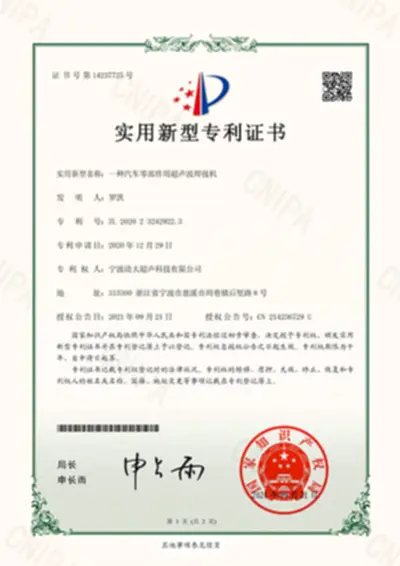
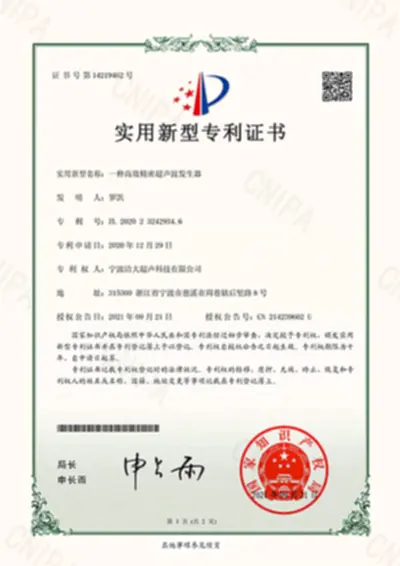
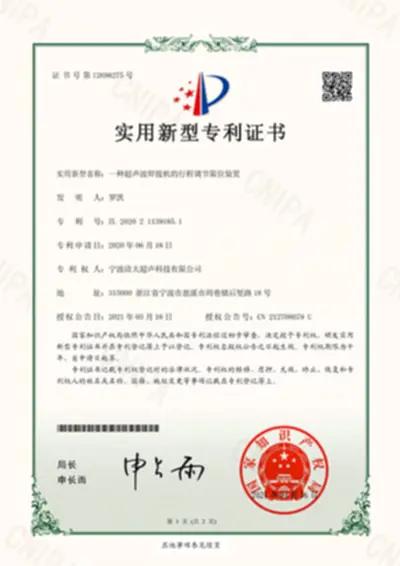
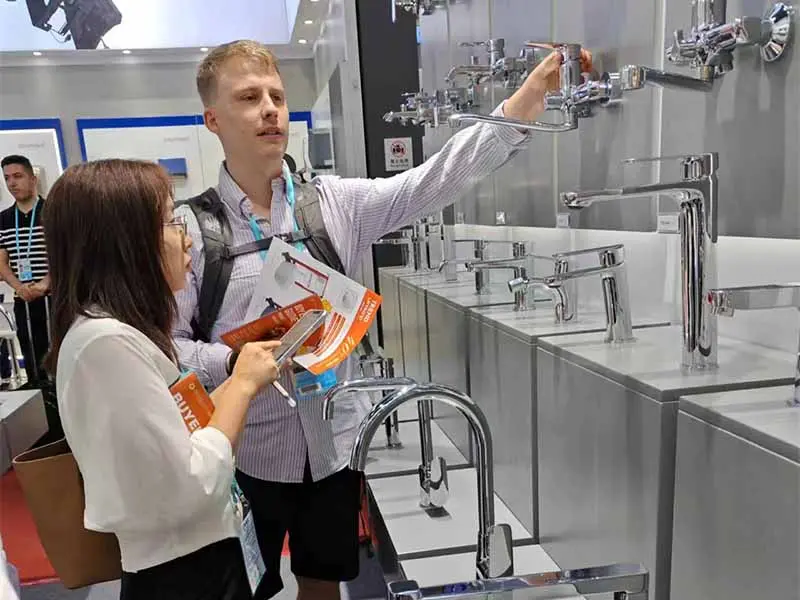
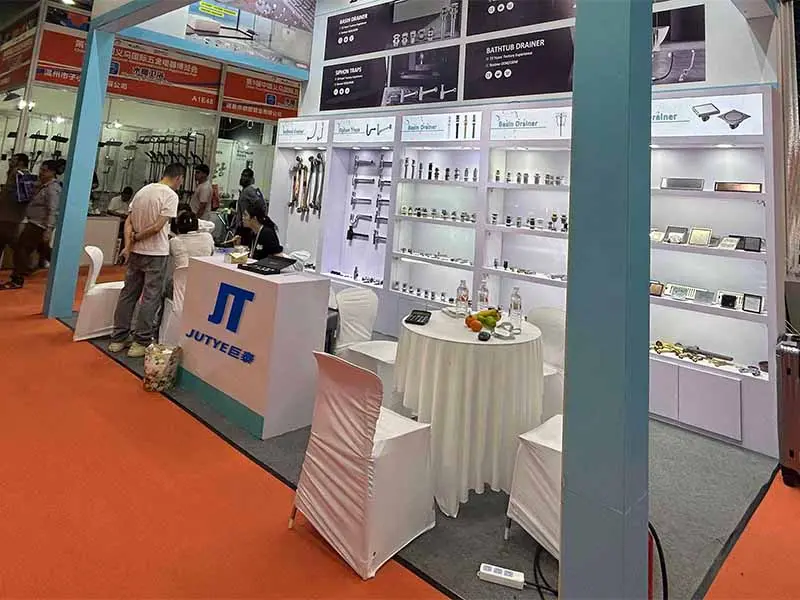
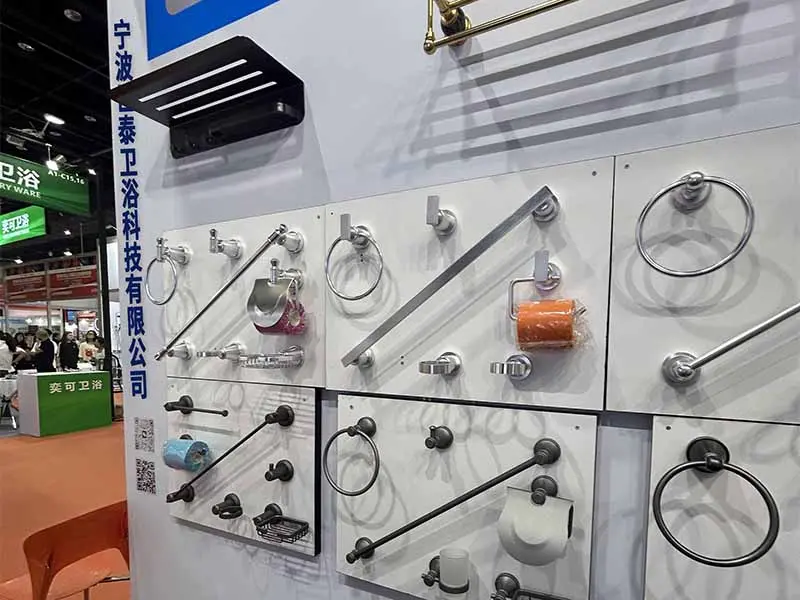
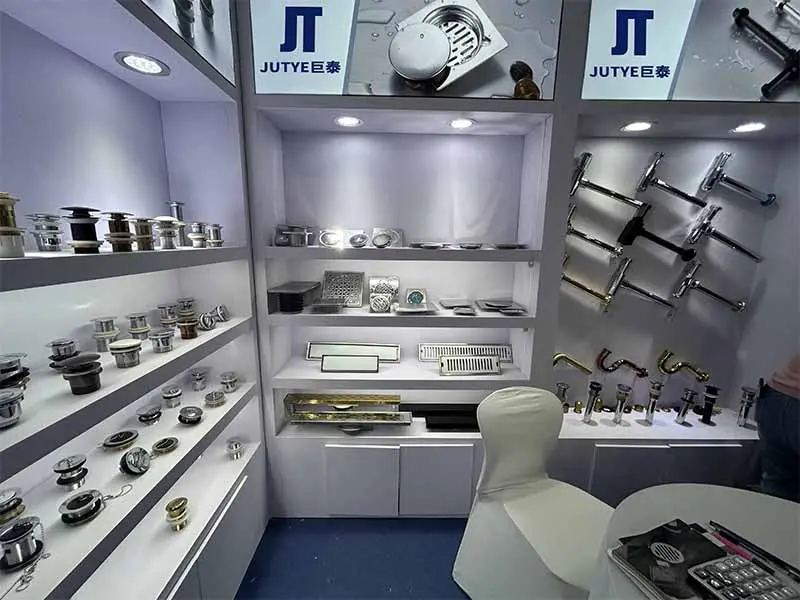
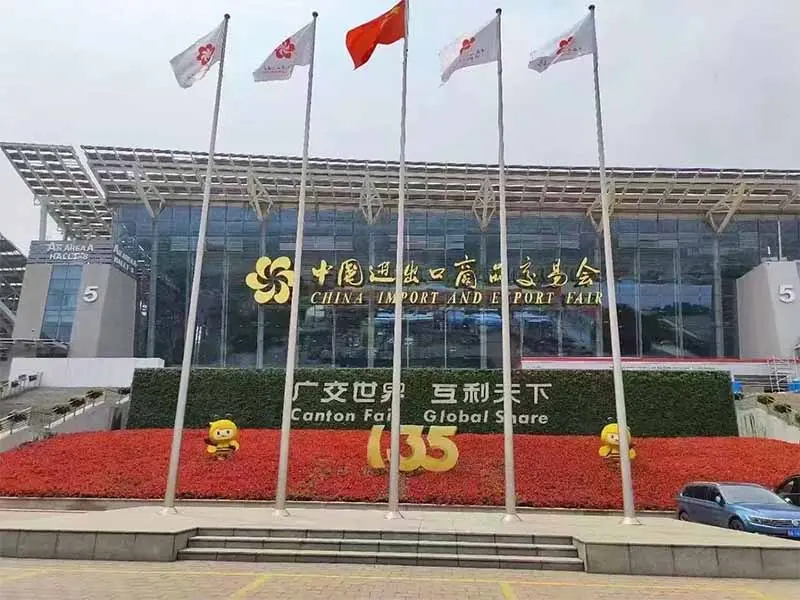
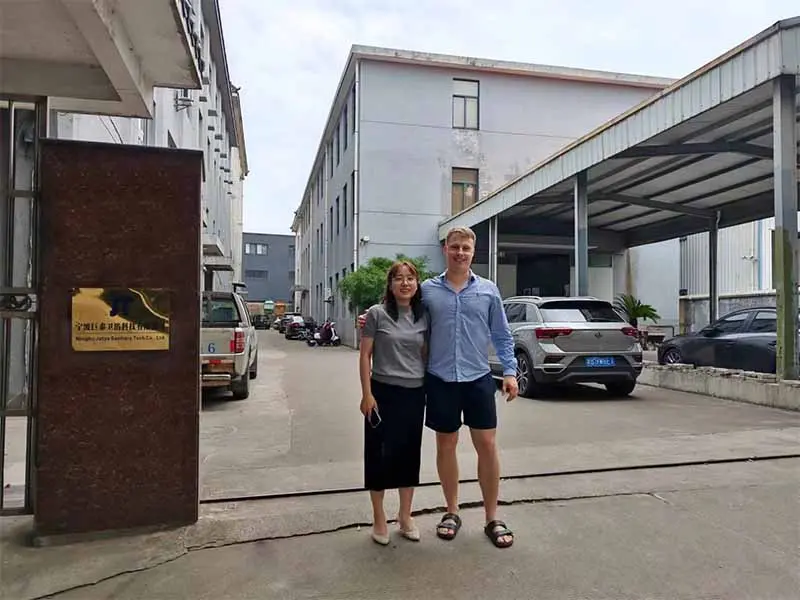
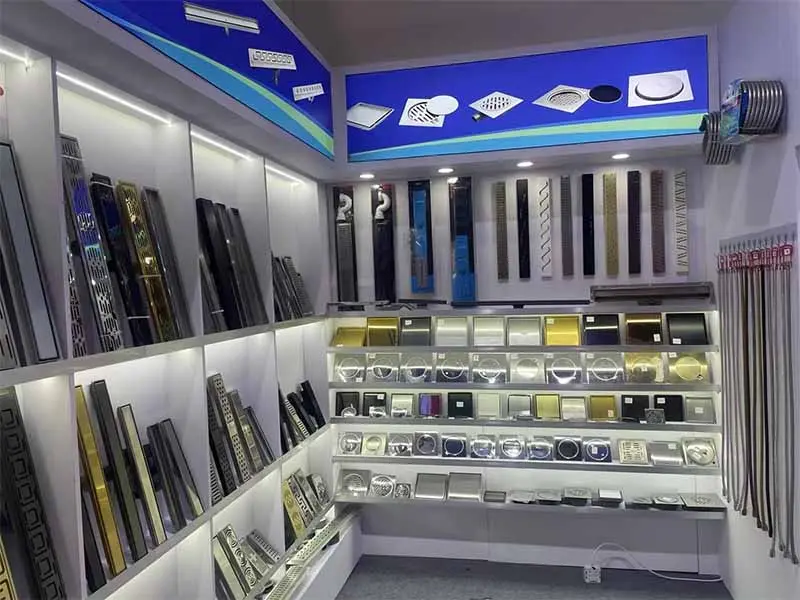
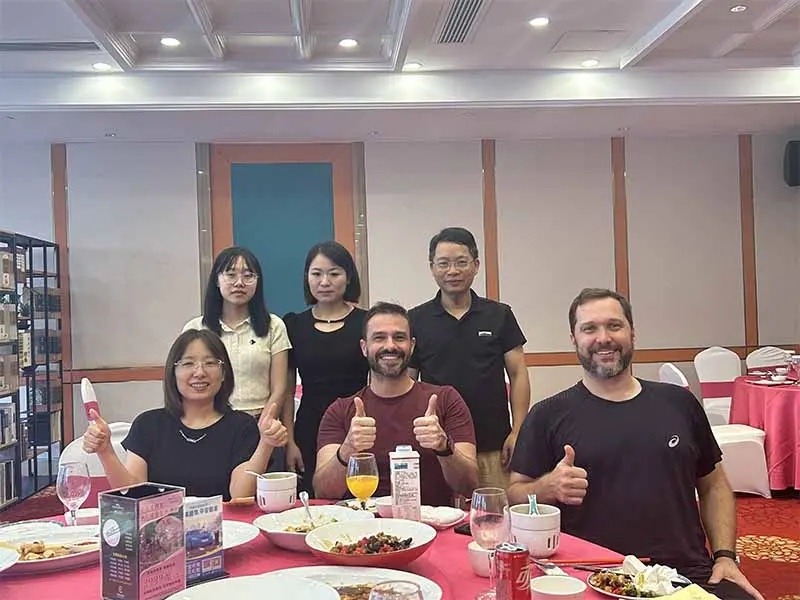
Explore our main product categories, designed for clean fluid connections and reliable installations.
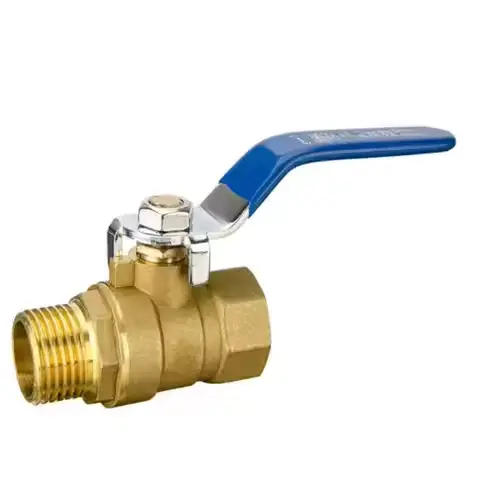
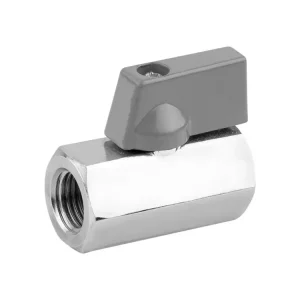
Designed for high-durability shutoff applications in residential and commercial environments.
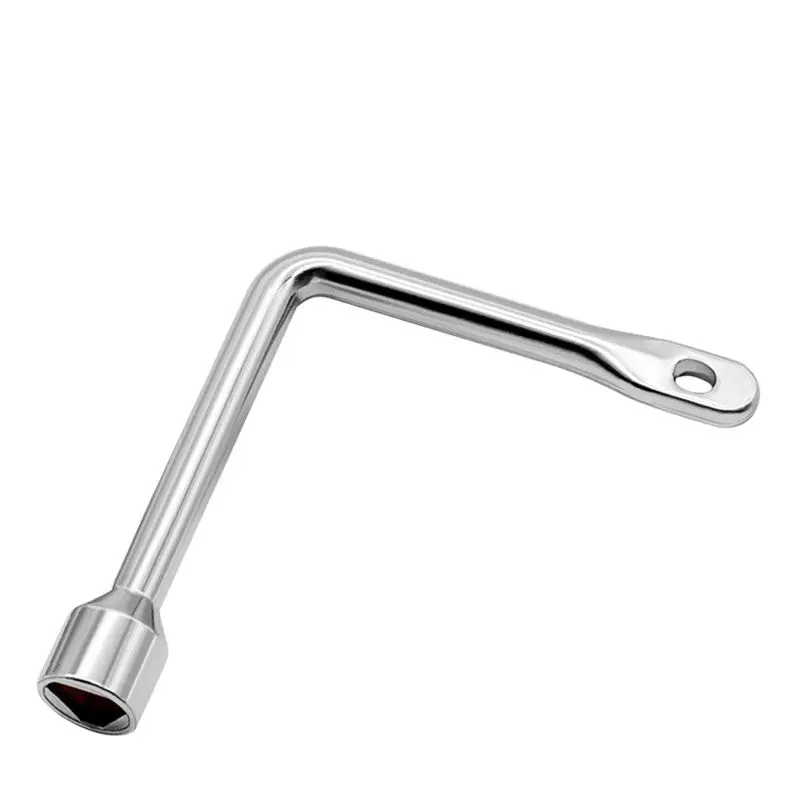
Specialized tools for quick, reliable connection installations.
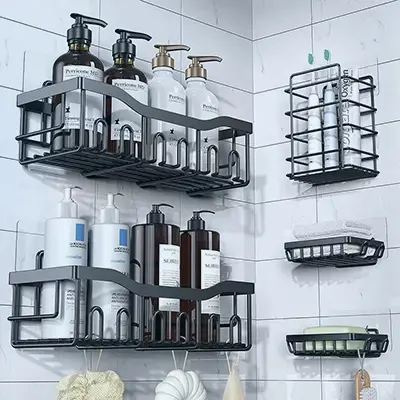
Bespoke OEM components engineered to precise drawing specifications.
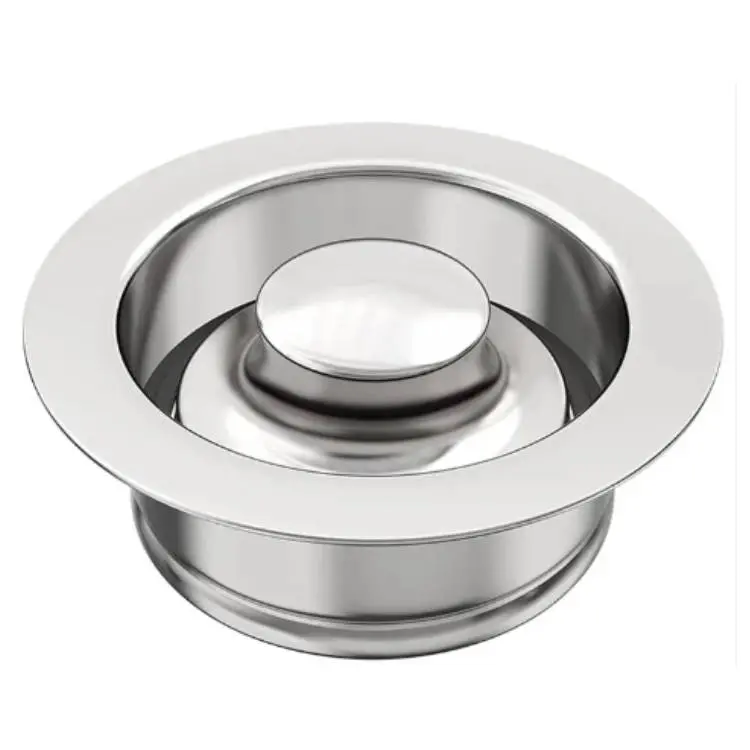
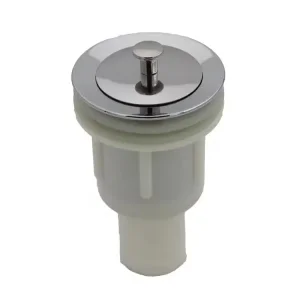
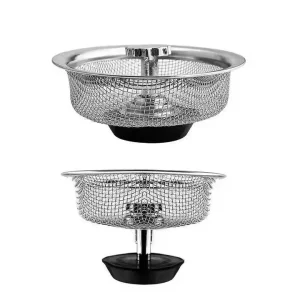
Corrosion-resistant drain structures for commercial kitchens and high-use wash sinks.
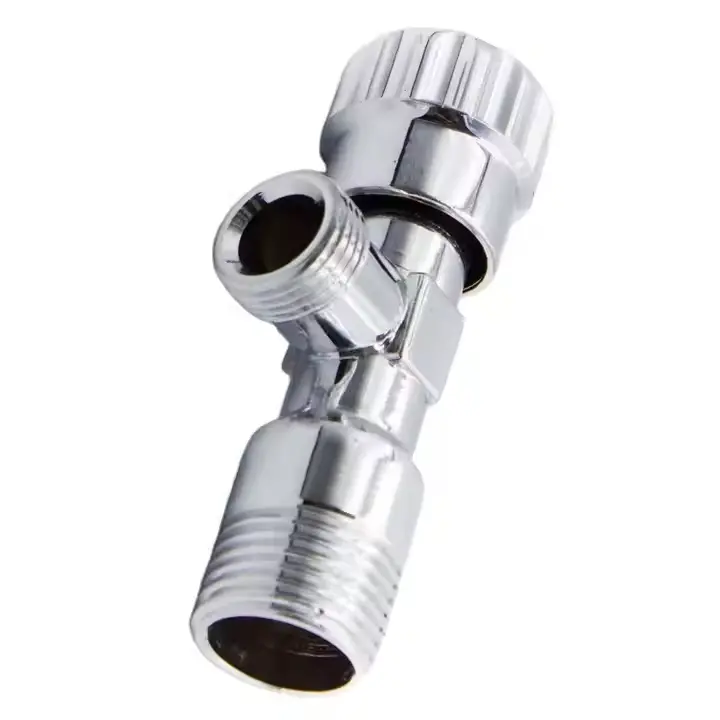
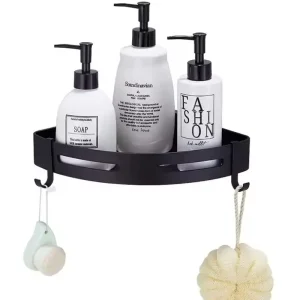
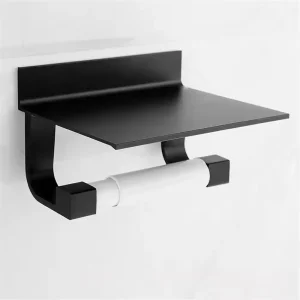
Solid-mount wall hardware, caddies, and styling components with premium finishes.
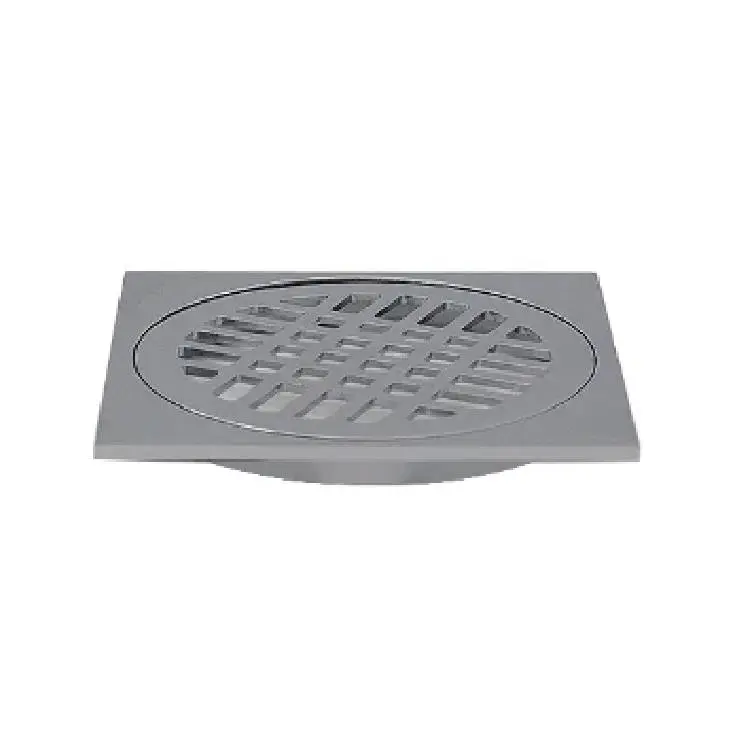
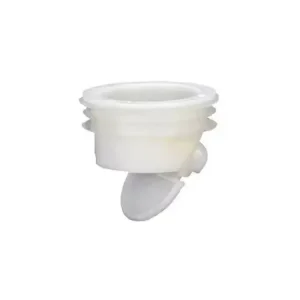
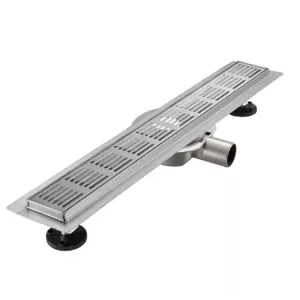
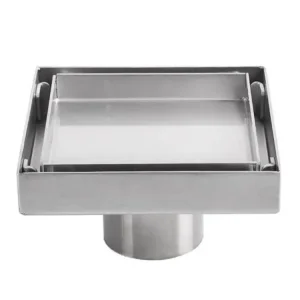
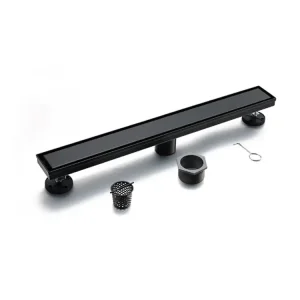
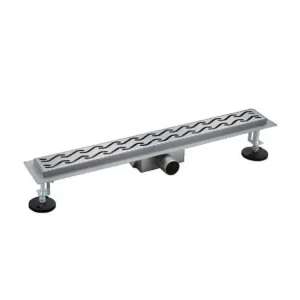
Linear and square drainage solutions featuring built-in trap mechanisms to block odors.
Detailed technical guidance on clamp selection, installation parameters, and corrosion prevention.
These classifications define the corrosion resistance of the clamp's components. W1 represents all galvanized carbon steel construction, suitable for dry, low-corrosion environments. W2 features a stainless steel band (AISI 430) paired with a galvanized steel screw, commonly used in automotive applications. W4 designates all components made of 304-grade stainless steel (A2), providing good general corrosion resistance for outdoor and marine uses. W5 specifies 316-grade stainless steel (A4), which includes molybdenum for enhanced resistance to chlorides, making it suitable for marine and chemical processing environments.
To size a hose clamp, measure the exact outer diameter (OD) of the hose after it has been pushed onto the connection fitting or barb. Select a clamp range where this final OD falls near the middle of the clamp's expansion range. Relying only on nominal hose sizes can lead to selecting a clamp that is too small to fit over the assembly or too large to tighten properly.
Optimal installation torque is determined by the clamp design, band width, and the hardness of the hose. Standard 12.7mm worm-gear clamps typically require 3.4 to 5.6 Nm of torque. Exceeding the recommended torque can strip the housing threads, warp the band, or cut into the hose cover, which can cause premature joint failure.
Perforated bands feature slots that can allow soft hose materials, like silicone, to extrude through under pressure, potentially causing cuts or localized stress concentrations. Non-perforated bands, which feature rolled edges and a smooth underside, protect the hose surface while maintaining uniform radial clamping pressure.
ASTM B117 is an accelerated corrosion test that exposes components to a 5% salt solution at elevated temperatures. W4 stainless steel clamps typically endure over 500 hours without red rust development, whereas W5 (316 grade) clamps can exceed 1000 hours. This testing helps verify performance in coastal, marine, and road-deicing environments.
Galvanic corrosion can occur when dissimilar metals contact each other in the presence of an electrolyte. To minimize this risk, keep the contact surface dry, apply non-conductive barriers or grease, or select W4/W5 stainless steel alloys that are closer to brass on the galvanic scale than raw carbon steels.
T-Bolt clamps are designed for high-pressure systems, such as turbocharger discharge lines and heavy-duty industrial piping. Their wider band design and high-tensile bolt allow for higher tightening torque, providing stronger radial sealing pressure than standard worm-drive designs.
Our quality control protocol includes checking incoming raw material chemistry using spectrometer analysis, verifying dimensional tolerances on progressive stamping lines, conducting destructive torque-to-destruction tests, and performing regular salt spray tests to monitor corrosion resistance.
Yes, thermal cycling causes materials to expand and contract at different rates. If a clamp cannot adapt to these changes, the joint may leak at low temperatures or degrade the hose material at high temperatures. Constant-tension spring-loaded clamps are designed to adapt to these thermal cycles.
Yes, our ODM services allow us to integrate barbed tails, threaded profiles, or quick-connect ports directly into brass valves or fittings. This helps minimize leak points by reducing the number of connections in the assembly.
Premium plumbing accessories and connection fittings, manufactured to support clean and reliable water infrastructure.