JUTYE SANITARY

Industrial White Paper: Global Angle Valve Tap Sourcing & Manufacturing Ecosystem
1. The Global Commercial & Industrial Status of Angle Valves
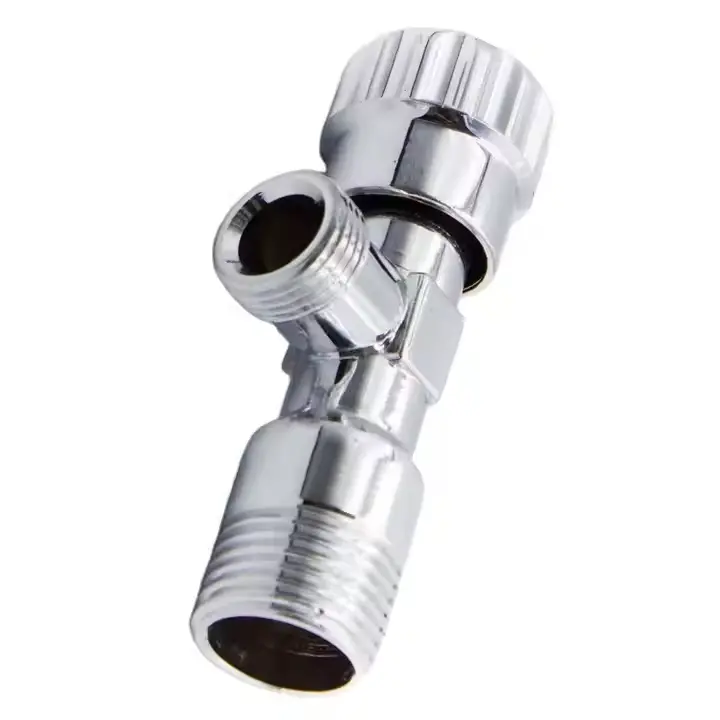
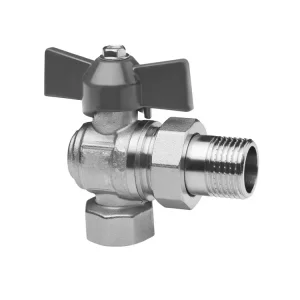
In modern architecture, mechanical engineering, and metropolitan infrastructure planning, fluid control at the terminal point remains a critical element for safety and operational longevity. The angle valve tap, although compact, serves as the primary gateway control system for water distribution networks. Its fundamental design allows for a 9% fluid redirection, minimizing structural space constraints while maintaining control integrity. In residential developments, luxury hotels, and manufacturing hubs, these valves act as isolating mechanisms. When downstream failures—such as faucet leaks, cartridge damage, or supply line bursts—occur, angle valves isolate individual terminal fixtures without shutting down the entire municipal or building supply line. This functionality prevents expensive system downtime and structural water damage.
Globally, urbanization, eco-conscious construction codes, and lead-free plumbing regulations have driven the demand for high-performance angle valves. Sourcing agents, MEP (Mechanical, Electrical, and Plumbing) contractors, and commercial developers no longer select valves solely based on basic pricing. The focus has shifted to the total cost of ownership (TCO), which includes material longevity, dezincification resistance, installation efficiency, and compliance certifications. As a result, the market requires manufacturers who can provide comprehensive engineering solutions, consistent material chemistry, and reliable global supply lines.