JUTYE SANITARY
JUTYE SANITARY
JUTYE SANITARY
An authoritative analysis of regulatory compliance, manufacturing paradigms, and technological engineering in global commercial and residential applications.
The global shower valve manufacturing sector serves as a vital component of the construction and plumbing hardware industries, directly influencing civil engineering standards, municipal water safety, and green building certifications. Modern shower valves are no longer considered simple manual restrictors; they are highly engineered fluid control devices that integrate pressure stabilization, thermal responsiveness, and microbiological protection mechanisms.
Currently, the manufacturing of premium shower valves and sanitary fittings is concentrated in specialized regional clusters, with Zhejiang, China—specifically the Ningbo industrial zone—emerging as a premier global hub. The strategic geographic proximity of these clusters to major deepwater ports (such as the Port of Ningbo-Zhoushan) facilitates seamless supply chain logistics. This infrastructure supports both the raw material acquisition of high-grade copper, lead-free brass alloys, and engineered plastics, as well as the rapid distribution of finished OEM and ODM consignments to North America, Europe, and Asia-Pacific markets.
"Industrial compliance and materials security dictate the design of modern fluid control systems. Standardizing on lead-free brass formulations and dezincification-resistant alloys is mandatory for addressing global clean water directives."
As global regulatory frameworks tighten, leading shower valve manufacturers must continually align their production standards with international certifications, such as ASME A112.18.1/CSA B125.1 in North America, EN 817 and EN 1111 in the European Union, and WRAS in the United Kingdom. Meeting these guidelines requires substantial capital investment in automated machining centers, hot forging systems, and high-precision testing labs capable of validating millions of operational cycles.
Driving operational excellence and strict compliance across our manufacturing and distribution cycles.
The functionality of a shower valve relies on the structural integrity of its internal parts. Over the past decade, material science has transformed traditional plumbing architecture. Standard brass, which historically contained higher levels of lead to improve machinability, is being replaced by lead-free, dezincification-resistant (DZR) brass. DZR brass prevents the selective leaching of zinc when exposed to acidic or mineral-heavy water, maintaining the structural integrity of the valve body over its service life.
Additionally, the integration of advanced polymers like ABS, POM (polyoxymethylene), and specialized silicone rubbers has enabled manufacturers to design internal cartridges with minimal friction and high thermal stability. Ceramic disc technology remains the standard for cartridge design, replacing traditional rubber washers. High-density alumina ceramic discs are diamond-ground to sub-micron flatness, creating a hermetic seal that resists mineral buildup, lime deposits, and abrasive particulate wear.
Logo, Branding & Customized Marking
Our bathroom and shower accessories are customized to align with client branding requirements. We utilize high-fidelity fiber laser marking systems to etch logos, installation indicators, and hot/cold safety symbols onto valve plates and escutcheons, supporting strong market recognition for OEM/ODM partners.
Aesthetic Finishes & Color Coatings
JUTYE maintains advanced finishing lines to apply durable coatings to exterior components. Through Physical Vapor Deposition (PVD), electroplating, and powder coating, we offer finishes including Matte Black, Brushed Gold, Satin Nickel, and Mirror Chrome. These coatings are engineered to resist corrosion and pass standard salt-spray test protocols.
Engineered Substrates & Structural Integrity
We carefully select materials for our product lines based on application demands. For components subjected to continuous line pressure, high-grade H59/H62 brass or SUS304 stainless steel is utilized, while lightweight ABS and polymer structures are selected for secondary accessories to optimize value engineering.
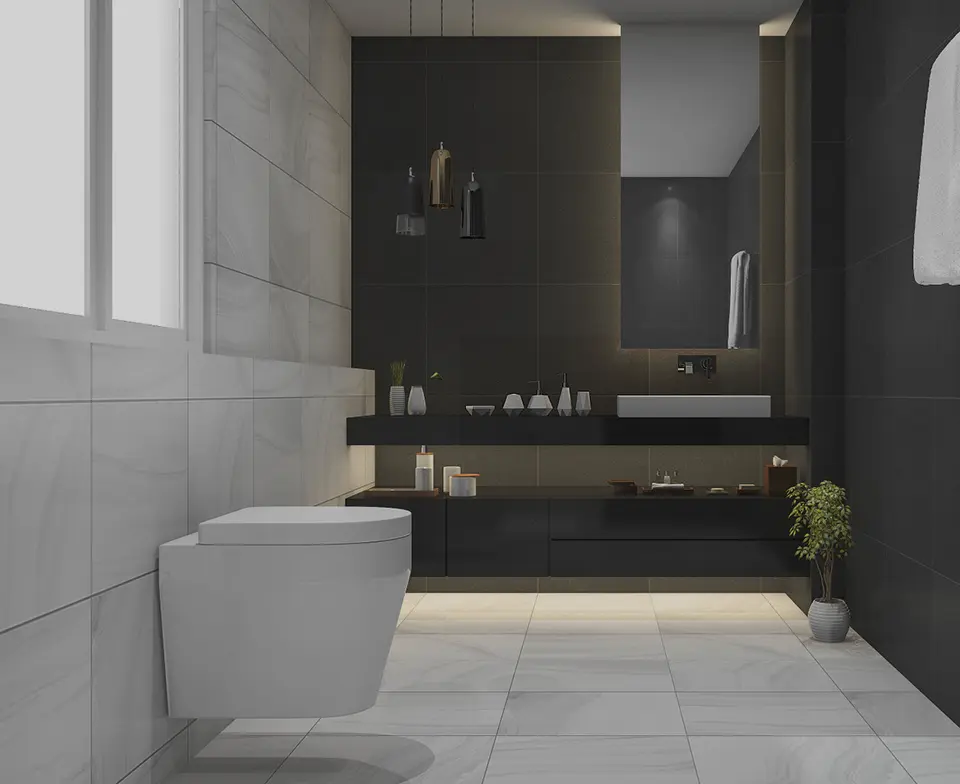
From design draft to final industrial manufacturing, we offer comprehensive services to global brands.
We possess an integrated development, research, manufacturing, and sales team focused on providing professional fluid control and sealing solutions tailored to specific commercial and residential projects.
We utilize automated machining systems and advanced processing technology to improve efficiency, maintain tight tolerances, and manage procurement costs for high-end sanitary sealing and valve products.
We develop custom shapes, thread patterns, and configurations based on project requirements. Share your specifications and dimensional criteria with us to develop a tailored solution.
Our multidisciplinary team of designers, engineers, and material specialists collaborates to develop functional bathroom accessories and fittings that optimize performance and minimize resource intensity.
We implement a comprehensive quality management system across our raw material procurement, manufacturing, and final testing cycles to ensure our products consistently meet specified technical standards.
Leveraging our facility in Ningbo, we optimize supply chain and logistics processes to manage production costs and offer competitive terms for wholesale supply requirements.
Plumbing systems must adapt to regional water pressures, architecture, and regulatory mandates. Shower valve manufacturers must align their product engineering with the requirements of each destination market:
North America (US & Canada): System specifications require shower valves to include integral safety mechanisms to mitigate thermal shock and scalding risks. ASME A112.18.1/CSA B125.1 requires the use of Pressure Balance (ASSE 1016 Type P) or Thermostatic (ASSE 1016 Type T) valves. These devices must maintain the set temperature within ±3.6°F (±2°C) despite line pressure fluctuations of up to 50%. Connecting threads typically standardise on NPT or sweat-connections, with an increasing shift toward crimped PEX connections to simplify installation.
Europe & United Kingdom: Plumbing systems in European markets often utilize exposed bar shower valves rather than in-wall installations. Systems are designed to operate across varied pressure levels, ranging from gravity-fed, low-pressure systems (0.1 bar) in historical UK residential buildings to high-pressure combination boiler systems (3.0 bar) in continental Europe. Dynamic thermostatic mixing valves (TMVs) are utilized, with compliance certified under EN 1111 for high-pressure installations and EN 1287 for low-pressure environments.
Australia & New Zealand: Compliance with the WaterMark certification scheme is mandatory. Valves must align with AS/NZS 3718 standards, which regulate the metal composition of brass alloys to control lead leaching into potable water. In Australia, public installations, schools, and healthcare facilities specify TMV3-compliant valves to deliver precise water temperature control and prevent scalding.
The sanitary ware industry is incorporating digital control systems and smart home integrations to improve utility management. The future roadmap for shower valve design centers on three key technological areas:
Micro-Electronic Digital Valves: Traditional mechanical cartridges are being paired with electronic mixing modules. These systems utilize fast-acting digital sensors and motorized stepper valves to manage cold and hot water inlets. Users can control flow rates and temperatures via touchpads, voice commands, or integration with home automation networks.
Self-Powered Fluid Harvesting: To eliminate the need for hardwired power or battery replacement, modern digital shower valves integrate micro-turbines. These turbines harvest kinetic energy from the water flow to power local LED displays, temperature sensors, and Bluetooth communication modules.
Water Conservation and Flow Control: In response to environmental programs such as EPA WaterSense and LEED certifications, valve manufacturers design flow restrictors that maintain user comfort at lower delivery volumes. By optimizing internal fluid channels and incorporating air-induction systems, modern valves achieve clean spray performance at flow rates below 1.75 GPM (6.6 L/min).

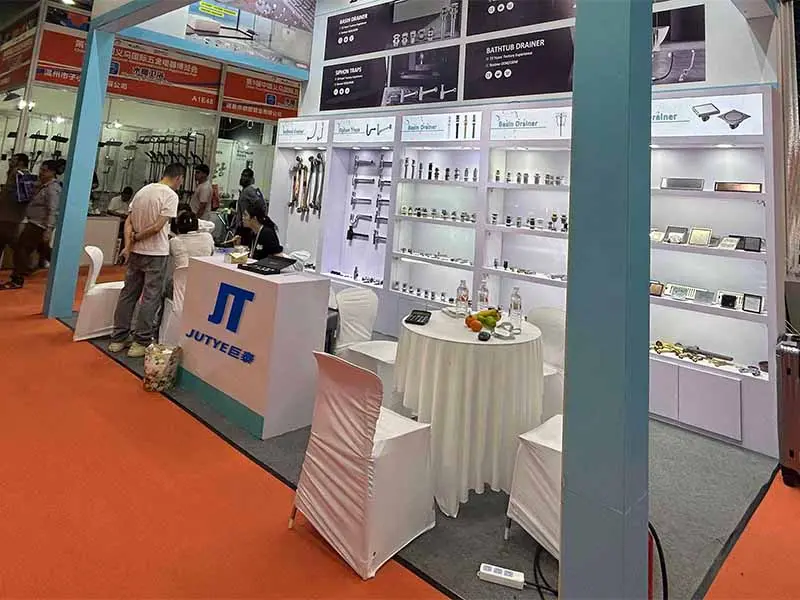
Ningbo Jutye Sanitary Tech Co., Ltd is a professional manufacturer and supplier of sanitary ware accessories and fittings. Our facility is located in Ningbo, Zhejiang Province, near the Port of Ningbo, facilitating efficient international distribution.
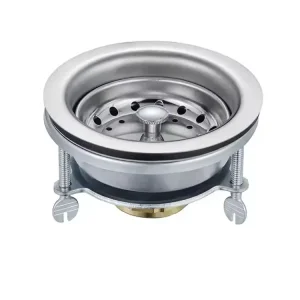
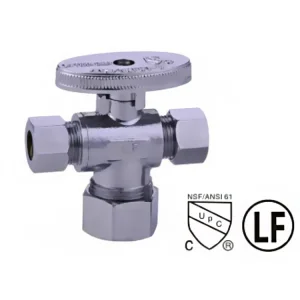
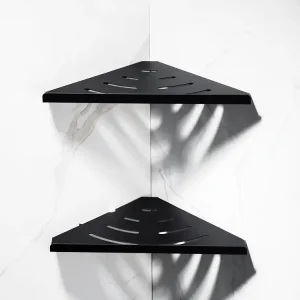
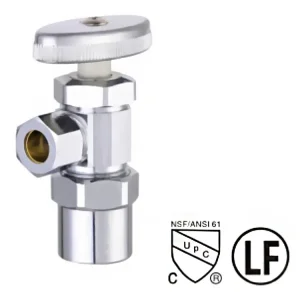
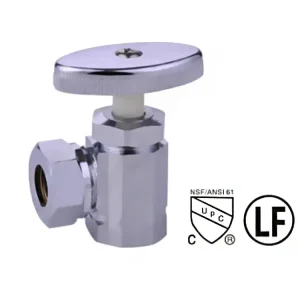
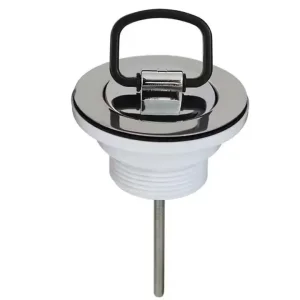
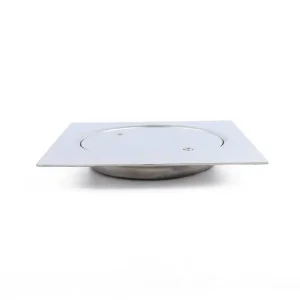
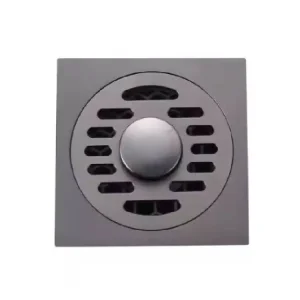
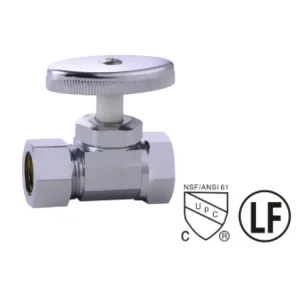
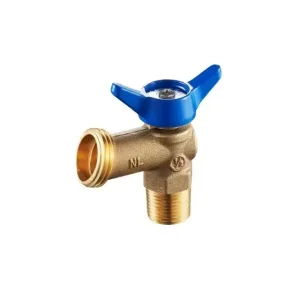
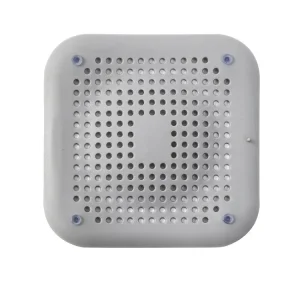
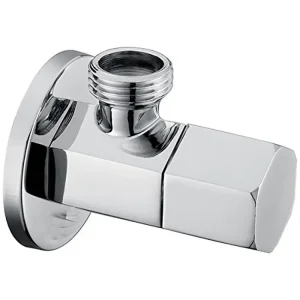
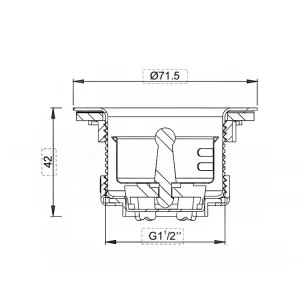
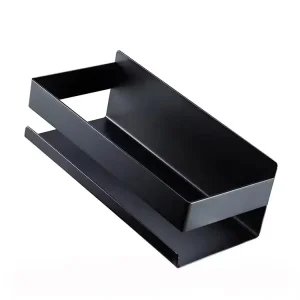
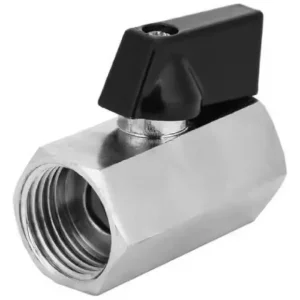
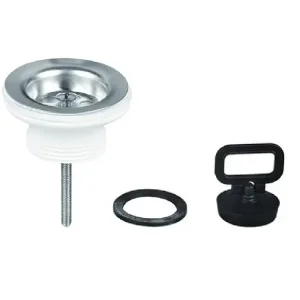
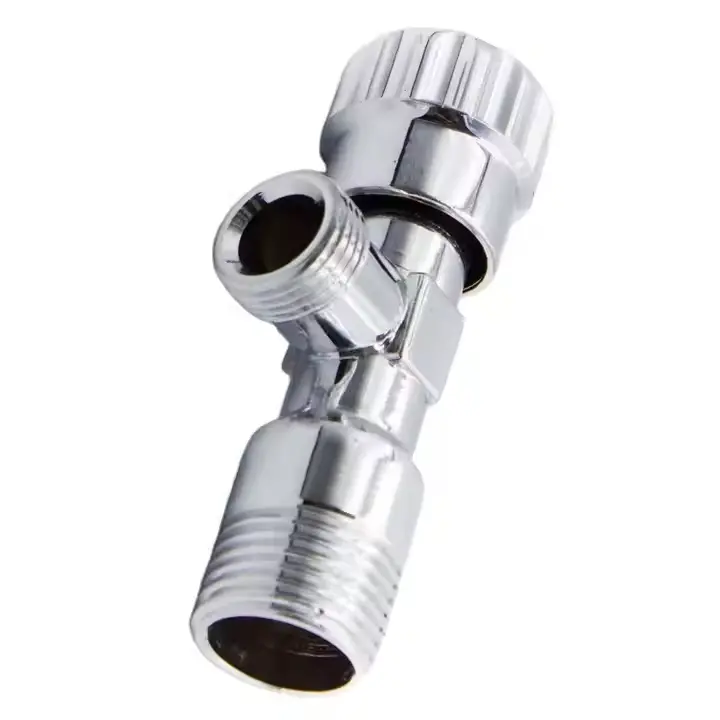
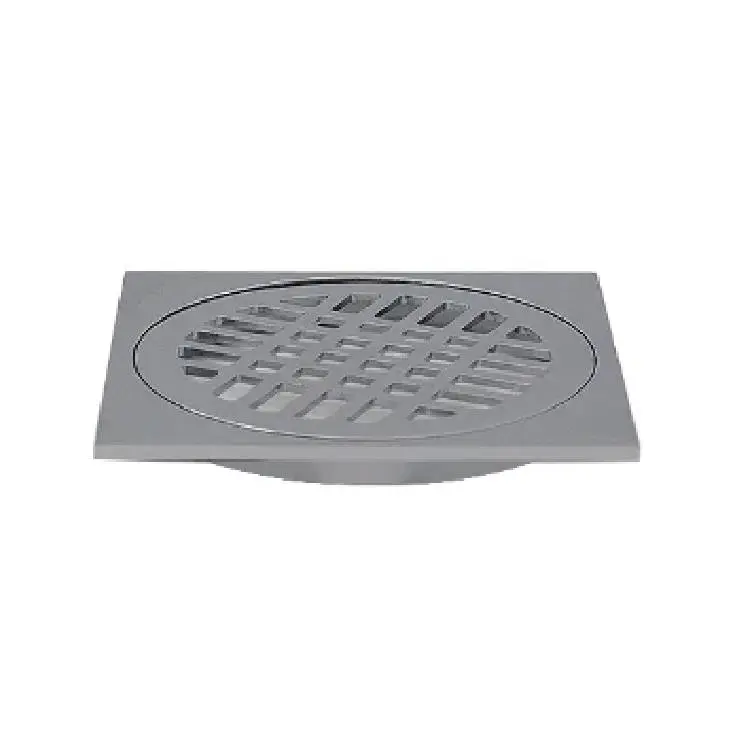
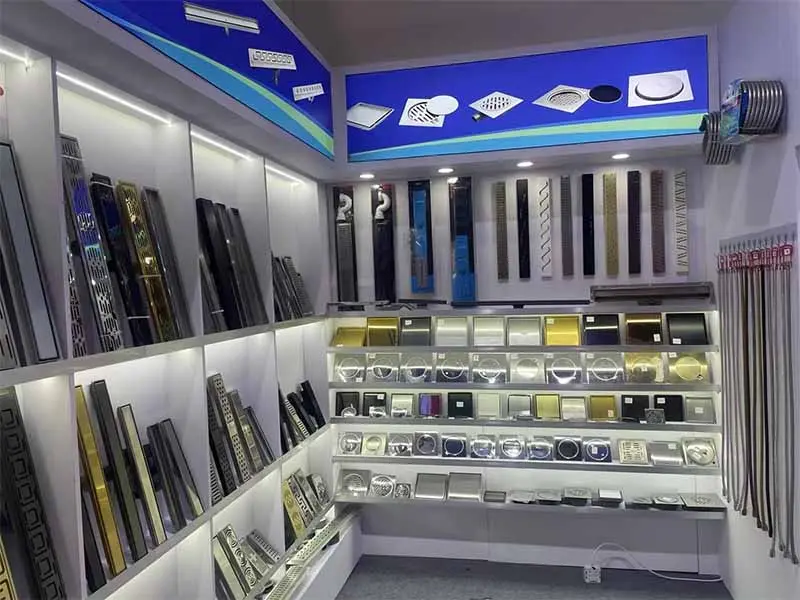
Our product range covers components for residential and commercial plumbing installations, including brass fittings, floor drains, sink drains, shower caddies, angle valves, and associated hardware. We offer customized design services to meet specific functional requirements.
We maintain structured quality control procedures throughout our production process. From raw material inspection to final product pressure testing, each production stage is monitored to ensure our products meet relevant industry specifications and performance standards.
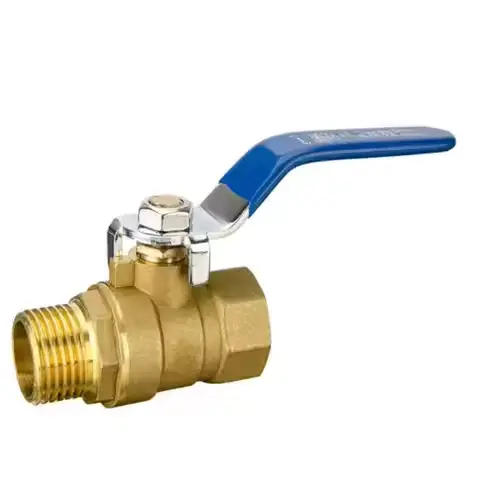
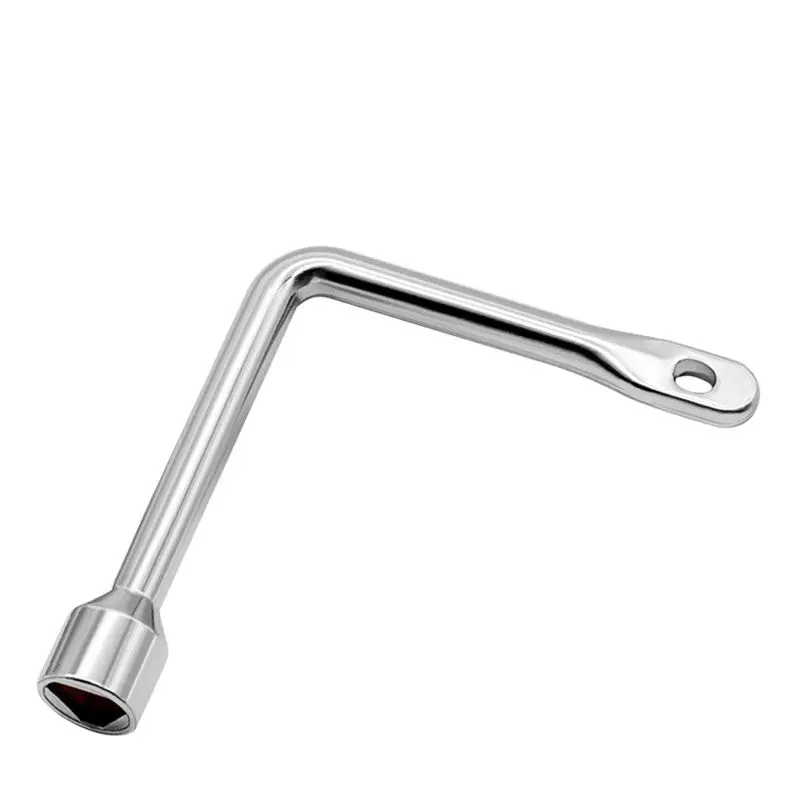

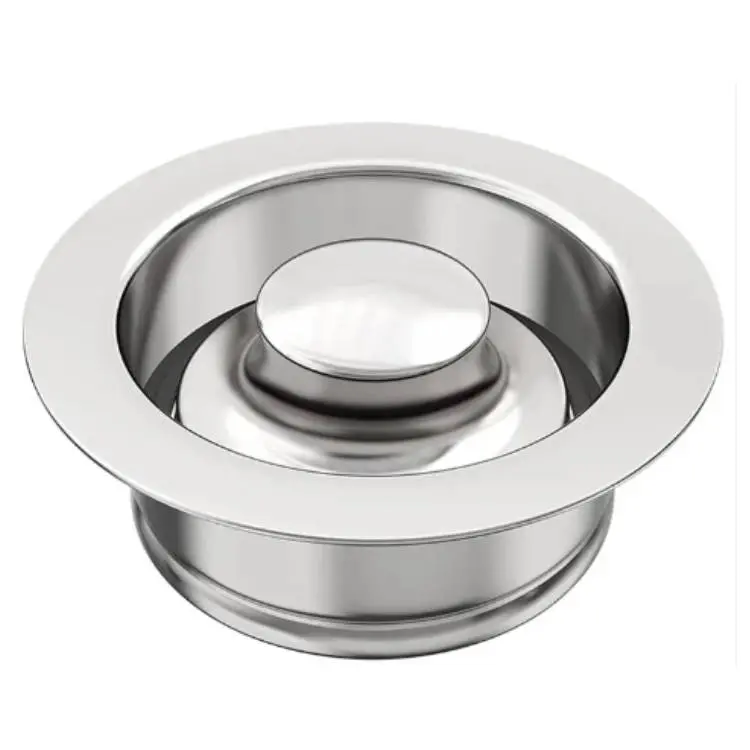
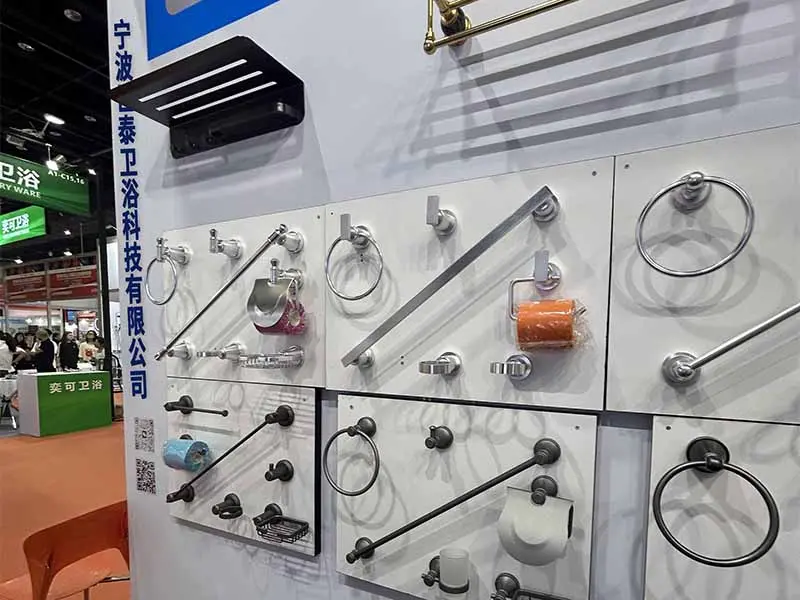
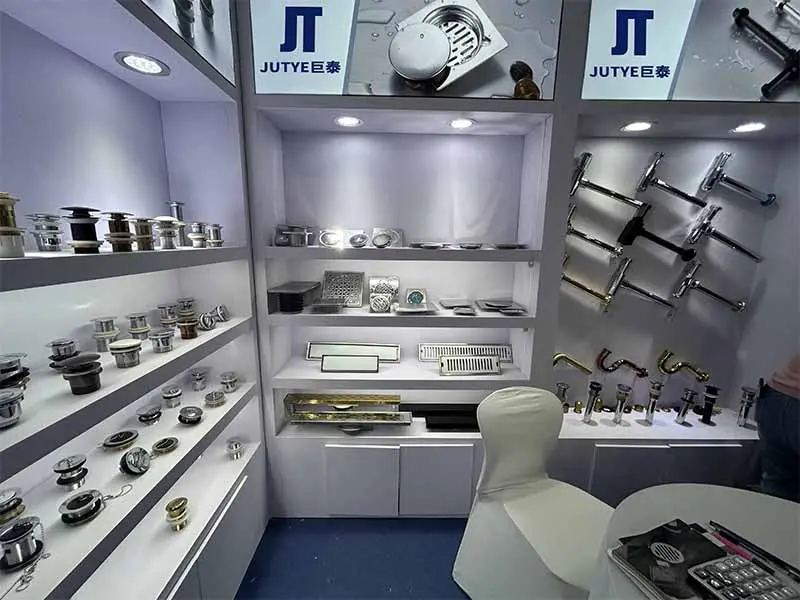
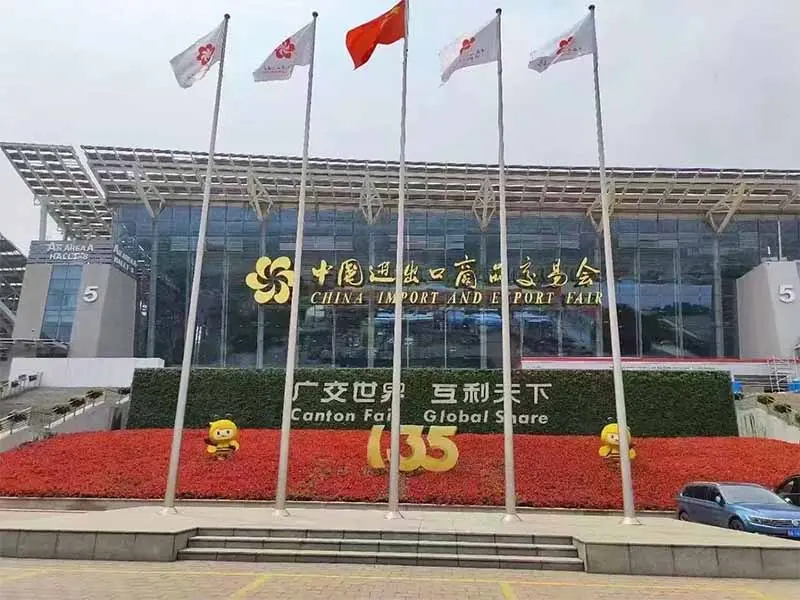
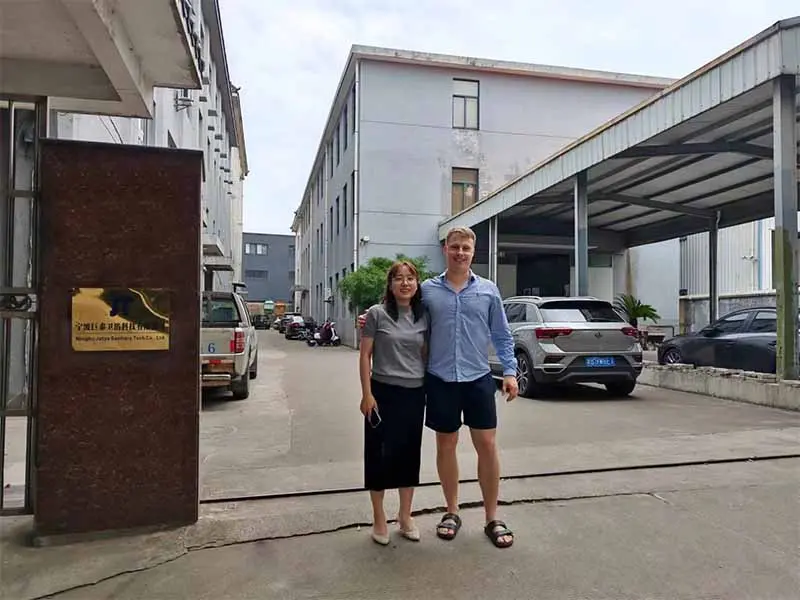
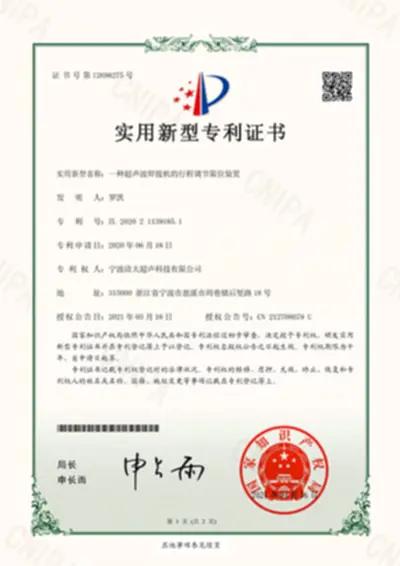
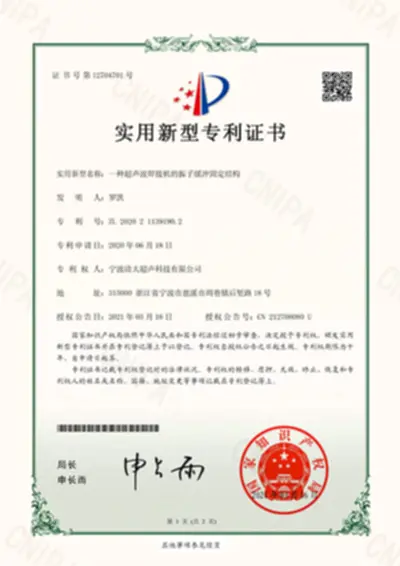
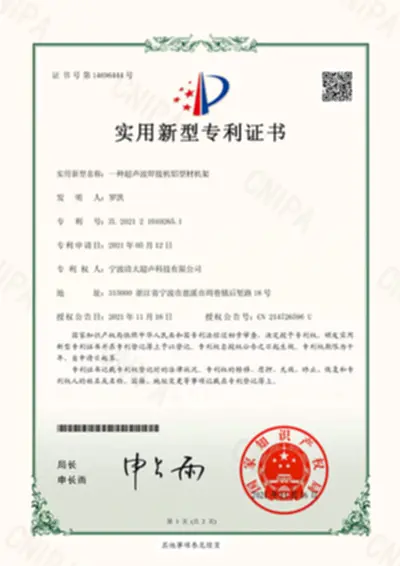
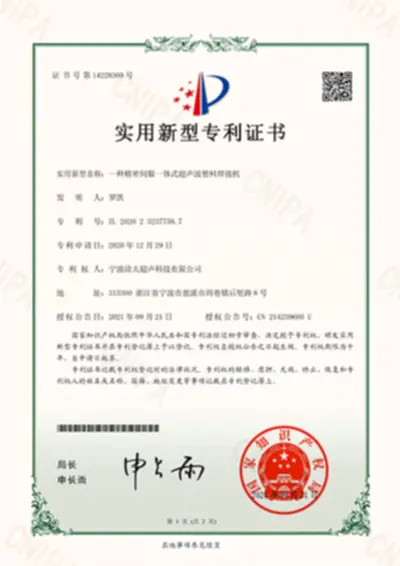
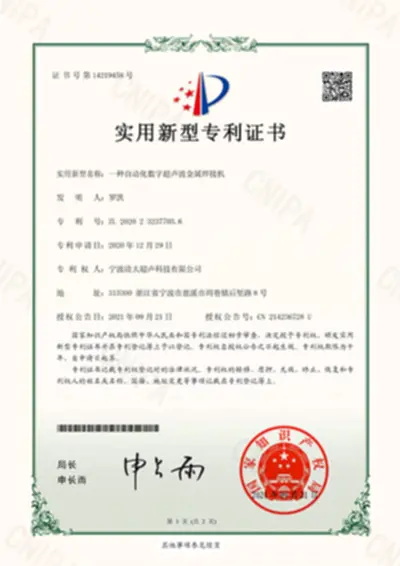
For international distributors, developers, and hospitality procurement managers, selecting a manufacturing partner requires evaluating their quality assurance protocols. Modern sanitary engineering demands systematic verification at each phase of production. Raw materials must be validated via optical emission spectrometers to verify chemical composition, particularly lead limits (<0.25% for wetted surfaces) and zinc leaching indices.
Manufacturing processes utilize high-speed multi-axis CNC machines to achieve target tolerances on valve seats and cartridge bores. After machining, parts undergo coordinate measuring machine (CMM) testing to confirm dimensional accuracy. Completed valves are then subjected to pneumatic and hydrostatic pressure testing to verify seal integrity under static pressures exceeding 1.2 MPa (174 PSI).
A stable supply chain requires strong logistics infrastructure. Companies situated in close proximity to major industrial deepwater ports can minimize transit times and inland transportation expenses. This geographic positioning allows manufacturers to coordinate production schedules with ocean freight schedules, improving delivery performance for global distribution networks.
Expert insights addressing key industry standards, material compositions, and sourcing guidelines.